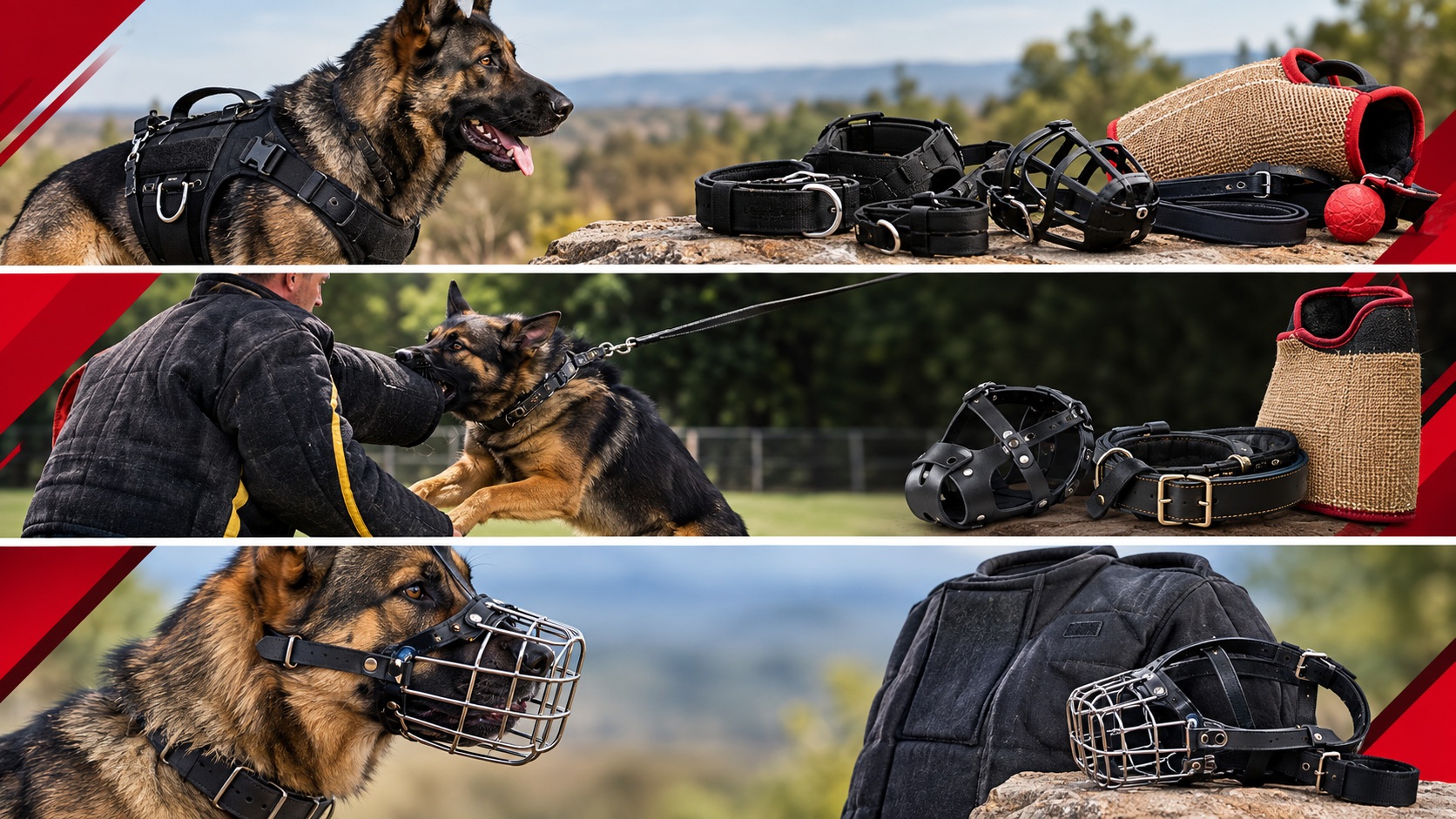
Training equipment can range from simple handling products to specialised equipment used in working-dog training. The important part is understanding what each product is intended to do before choosing it.
For trainers and handlers, dog training accessories can help create a more suitable setup for different stages and types of training.
The right choice depends on the dog, the handler, the training objective and how regularly the equipment will be used.
Why Training Equipment Needs to Match the Activity
A common mistake is choosing equipment simply because it looks suitable or because another trainer uses it.
Training requirements can vary considerably. Equipment used for basic obedience is different from equipment used for structured protection or bite-work training.
Consider the purpose first. Once you know what the equipment needs to achieve, you can compare factors such as material, construction, fit and handling.
Understanding Bite Suits
A dog bite suit is specialist equipment associated with protection and working-dog training. Bite suits are designed for controlled training situations where the handler or decoy requires appropriate protective equipment.
Different suits can vary in construction, coverage, materials and design. The appropriate choice depends on the type of training being conducted and the requirements of the person wearing the equipment.
A bite suit should not be selected simply because it provides a high level of coverage. Mobility, fit and the specific training environment also matter.
For professional or structured training, equipment should be used appropriately and by people who understand the training process.
You can explore the Von Ultimate Dog Shop bite suits collection for available training equipment.
Choosing a Leather Muzzle
Muzzles are available in different materials and designs, and the appropriate option depends on how the muzzle will be used.
A leather muzzle may be considered by handlers looking for a particular combination of material, construction and design. However, material alone should not determine the purchase.
Fit is particularly important. The muzzle needs to be appropriate for the dog’s facial structure and intended activity.
Before purchasing, check:
- The dog’s measurements
- The muzzle shape
- How the muzzle is secured
- Ventilation and available space
- The intended duration of use
- Whether the design suits the activity
A muzzle intended for short-term handling may have different requirements from equipment used during training.
The Von Ultimate Dog Shop muzzles collection includes different options for handlers to compare.
Don’t Overlook the Handler
Training equipment is not only about the dog.
The handler needs to be able to use the equipment confidently and consistently. A product that is difficult to adjust, uncomfortable to handle or unsuitable for the training environment can make the process unnecessarily complicated.
This is particularly relevant when using specialist equipment. The handler should understand how the equipment is intended to be used before incorporating it into training.
Build Equipment Around Your Training Goals
Instead of buying products one at a time without a clear purpose, consider the complete training setup.
For example, a handler may need different equipment for obedience, controlled socialisation, working-dog exercises and specialist training. Each item should have a clear role.
Ask yourself:
- What behaviour or skill am I training?
- What equipment is appropriate for that activity?
- Does the equipment fit the dog correctly?
- Can I use it safely and consistently?
- Will the equipment be used occasionally or regularly?
These questions can help prevent unnecessary purchases.
Final Thoughts
Good training equipment starts with understanding the job it needs to perform. Bite-training equipment, muzzles and everyday handling products all have different purposes, so choosing based on the training activity is more useful than simply choosing the most advanced-looking product.
For trainers and handlers, a practical equipment setup should reflect the dog, the activity and the experience of the person using it.
Home