Freshly baked bread has a special appeal that brings customers back to their favourite bakeries. From traditional loaves and crusty baguettes to soft sandwich bread and artisan creations, every product represents the quality and craftsmanship of the business behind it. However, the customer experience extends beyond the product itself. Attractive, practical packaging can make each purchase feel more professional and memorable.
For bakeries, cafés, and food retailers, choosing suitable packaging involves balancing presentation, product requirements, and everyday convenience. A well-designed paper bag can help customers carry their purchases while communicating the bakery’s identity through distinctive colours, illustrations, and printed logos. Consistent packaging also creates a recognizable appearance across different bread varieties.
Investing in custom bread packaging allows businesses to combine practical product presentation with creative branding. By selecting appropriate materials, suitable dimensions, and thoughtfully developed artwork, bakeries can create packaging that complements their products and strengthens their connection with customers.
Why Thoughtful Bread Packaging Matters for Bakeries
Packaging is often the final detail customers notice before leaving a bakery. Its appearance contributes to the overall impression of the business and can reinforce the quality associated with its products.
A neatly presented loaf inside an attractive paper bag communicates professionalism and attention to detail.
For independent bakeries, recognizable packaging provides an opportunity to distinguish their products from generic alternatives.
Printed logos, signature colours, and decorative patterns help customers associate familiar designs with the establishment.
This consistency is particularly valuable for businesses offering in-store purchases, takeaway orders, and local delivery services.
Packaging also needs to support practical handling, making it convenient for employees to prepare orders and for customers to carry their purchases.
Combining visual appeal with everyday functionality creates a more complete bakery experience.
Creative Design Ideas for Distinctive Bakery Bags
An effective packaging design should reflect the personality of the bakery while complementing the products inside.
Traditional bakeries may prefer warm colours, classic typography, and illustrations inspired by wheat or handcrafted bread. Contemporary establishments might choose minimalist artwork, bold graphics, or playful patterns.
Popular design ideas include:
- Repeating company logos for recognizable branding.
- Illustrations inspired by bread and baking ingredients.
- Natural colour combinations for artisan collections.
- Elegant typography for premium bakery products.
- Seasonal patterns for holidays and special promotions.
- Simple decorative borders for a polished appearance.
Artwork placement deserves careful attention because paper bags may fold or change shape when filled.
Positioning important graphics in visible areas helps maintain brand recognition during handling.
Businesses should review artwork proofs and physical samples before production to evaluate print clarity, colour combinations, and the finished presentation.
Selecting Suitable Materials for Different Bread Types
Bread products have different packaging requirements depending on their texture, moisture content, and intended storage conditions.
Crusty artisan loaves may benefit from packaging characteristics that differ from those required for soft sandwich bread.
Paper bag construction can vary in thickness, strength, flexibility, and breathability. These properties influence how the material performs during everyday handling.
Businesses should consider the characteristics of their products before selecting a particular packaging grade.
Freshly baked bread should also be handled appropriately before packing. Excessive retained heat can contribute to moisture accumulation inside packaging and may affect the product’s texture.
The finished bag, including its printing inks, adhesives, and coatings, should be suitable for the intended food-contact application.
Environmental claims should be verified rather than assumed. Recyclability and compostability depend on the complete material construction and available local processing facilities.
Requesting samples and material specifications helps bakeries make informed purchasing decisions.
Finding the Right Bag Dimensions for Every Loaf
Bread comes in a wide variety of shapes and sizes, making packaging dimensions an important consideration.
Long baguettes require different bag formats from round artisan loaves, while smaller bread rolls may need more compact packaging.
Choosing appropriate dimensions helps maintain an attractive appearance without unnecessary material consumption.
An oversized bag may create excessive folds, whereas an undersized option can make products difficult to package conveniently.
Bakeries should evaluate their most frequently sold items before selecting standard bag sizes.
Testing samples with actual products allows employees to assess capacity, handling convenience, and overall presentation.
Businesses offering several bread varieties may benefit from maintaining a practical selection of packaging dimensions.
This approach supports consistent presentation while helping staff prepare customer orders more efficiently.
Improving Daily Bakery Operations with Organized Packaging
Busy bakery environments require packaging supplies that are easy to access and convenient to use.
An organized storage system can help employees select the correct bag size without interrupting preparation routines.
Keeping different packaging formats in designated areas is particularly useful for establishments selling several bread varieties.
Inventory planning is equally important.
Businesses should monitor typical packaging consumption and consider seasonal changes when estimating future purchasing requirements.
Holidays, promotional campaigns, and special events may increase demand for particular products and packaging sizes.
Confirming supplier production schedules and delivery arrangements in advance can help reduce unexpected shortages.
When introducing new printed artwork, reviewing samples before placing a larger order can also prevent avoidable production issues.
Practical packaging management supports smoother operations and consistent customer service.
Building a Recognizable Bakery Identity Through Packaging
Strong branding depends on maintaining familiar visual elements across different customer interactions.
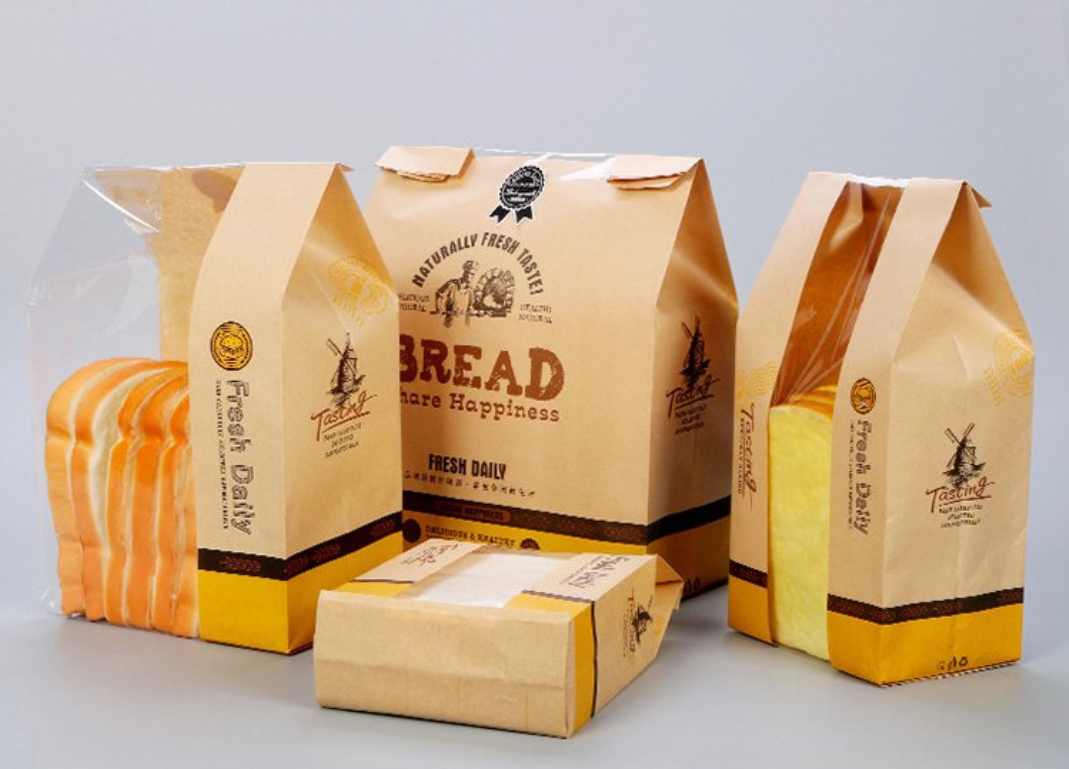
Printed bread bags provide an opportunity to display recognizable logos, signature colours, and decorative artwork with every purchase.
When these elements also appear on pastry boxes, takeaway bags, menus, and promotional materials, the bakery develops a more coordinated identity.
This consistency helps customers recognize products from the same establishment, even when purchasing different items.
Attractive packaging may also appear in customer photographs and social media posts, creating additional opportunities for brand visibility.
Bakeries can introduce limited-edition designs for holidays, anniversaries, or seasonal collections while retaining their established branding.
A carefully coordinated presentation makes everyday purchases feel more intentional and professional.
Combining Bread Bags with Complementary Wrapping Materials
A complete bakery packaging collection often requires several materials to accommodate different products.
Bread bags may be suitable for selected loaves, while pastries, sandwiches, and other prepared foods can require additional wrapping or protective layers.
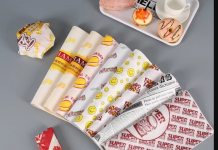
Using personalized greaseproof paper alongside compatible bakery bags can provide additional options for appropriate food presentation and wrapping applications.
Coordinating logos, colours, and decorative patterns across these materials helps create a recognizable appearance throughout the packaging collection.
However, each material should be selected according to its intended food-contact conditions and practical performance requirements.
Businesses should compare available dimensions, resistance characteristics, printing specifications, and material quality before ordering.
Requesting samples can also help evaluate compatibility with existing bags, boxes, and serving containers.
A coordinated packaging strategy supports both attractive presentation and efficient everyday operations.
Conclusion
Personalized bread packaging offers bakeries, cafés, and food retailers an opportunity to strengthen their brand identity while improving everyday product presentation.
By choosing suitable materials, appropriate dimensions, and attractive printed designs, businesses can create packaging that complements their bread and supports convenient handling.
Coordinating bread bags with other branded wrapping materials further improves consistency across different product categories.
With thoughtful planning and attention to quality, practical bakery packaging can become an important part of a memorable customer experience.