The resale market in Canada continues to create opportunities for retailers, online sellers, discount stores, and independent resellers looking for affordable inventory. One sourcing method attracting attention is Canada liquidation pallets, which allow businesses to purchase bulk merchandise at prices below traditional retail costs.
Liquidation pallets can contain customer returns, overstock, shelf pulls, discontinued products, or other excess inventory. The exact contents depend on the supplier and pallet category, which makes understanding the buying process important for anyone entering this market.
For new buyers, the goal should not simply be finding the cheapest pallet. It should be finding inventory that fits their resale strategy, budget, storage capacity, and target customers.
What Are Canada Liquidation Pallets?
Canada liquidation pallets are bulk lots of merchandise sold through liquidation suppliers after retailers or other businesses need to move excess inventory. Instead of selling products individually, the merchandise is grouped into pallets and offered to wholesale buyers.
Depending on the source, a pallet may contain:
- Customer returns
- Retail overstock
- Shelf pulls
- Discontinued products
- Seasonal merchandise
- Mixed general merchandise
- Electronics and home products
Some pallets contain products from a specific category, while others combine multiple product types. Buyers should always check the individual listing rather than assuming every pallet contains the same type or condition of merchandise.
Why Are Liquidation Pallets Popular With Canadian Resellers?
The biggest attraction is the opportunity to purchase inventory in bulk without paying standard retail prices. This can be useful for businesses that already have established resale channels.
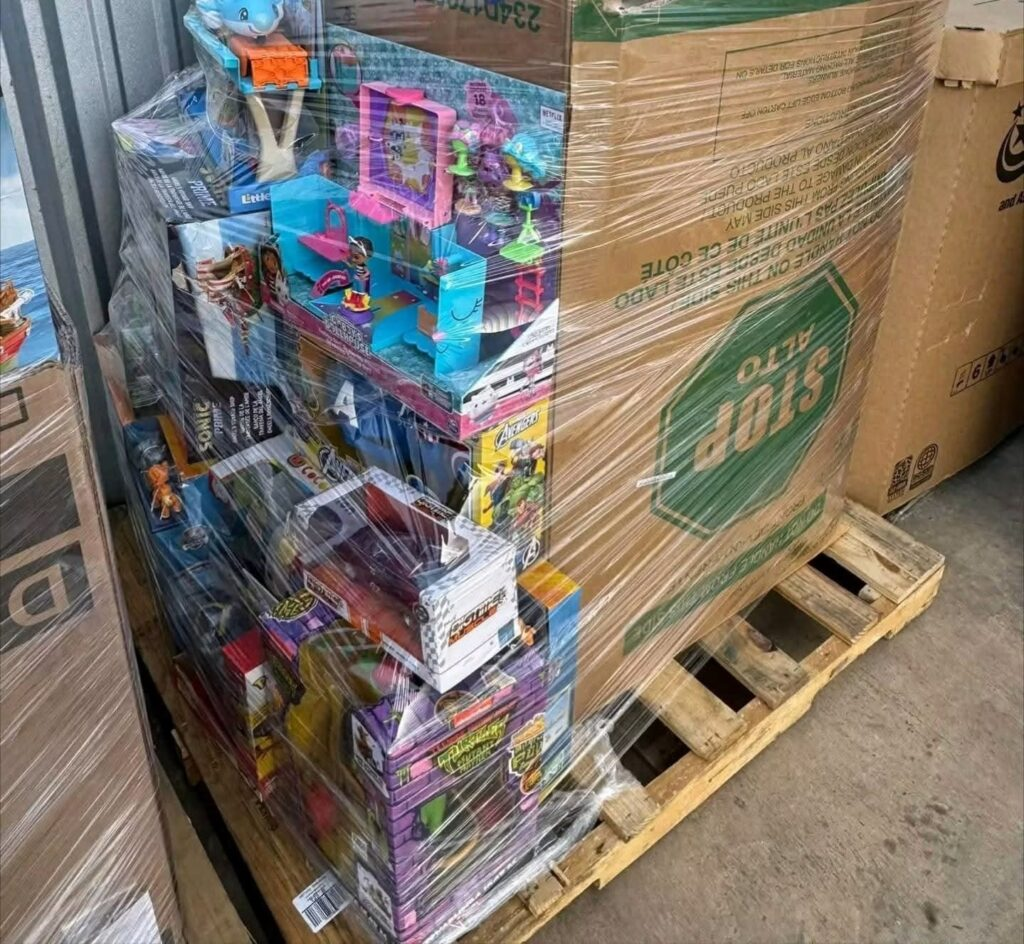
Online sellers can list individual products through ecommerce marketplaces, while physical retailers can use liquidation inventory to expand their product selection. Discount stores and local resellers can also benefit from mixed merchandise pallets.
Another advantage is flexibility. A buyer does not always need to commit to a full truckload. Starting with one pallet can provide an opportunity to test demand, evaluate product quality, and understand the costs involved before increasing order volume.
What Should You Check Before Buying a Pallet?
A low purchase price does not automatically mean a good deal. Several factors can affect the actual value of a liquidation pallet.
1. Product Condition
Condition is one of the first things buyers should investigate. A pallet containing brand-new overstock will have different resale potential than one made primarily from customer returns.
Look for clear descriptions such as new, overstock, shelf pull, customer return, or mixed condition. If the condition is unclear, ask the supplier before placing an order.
2. The Manifest
A manifest provides information about the products included in a pallet. When available, it can help buyers understand the categories, quantities, product names, and estimated retail values.
However, buyers should not rely only on the retail value shown on a manifest. Real resale prices depend on product demand, condition, competition, marketplace fees, and selling time.
3. Shipping Costs
Freight can significantly change the final cost of a pallet. A pallet that appears inexpensive may become less attractive after delivery charges are included.
Calculate the complete landed cost before making a purchasing decision. This gives you a clearer idea of your cost per item and potential resale margin.
4. Supplier Transparency
A reputable liquidation supplier should provide useful information about the inventory, condition, purchasing process, and shipping options.
Canadian buyers can also benefit from working with domestic suppliers because shipping and logistics are generally easier to manage than sourcing inventory internationally.
Which Pallet Categories Are Worth Considering?
There is no single best liquidation category for every reseller. The right choice depends on your customers and selling channel.
Electronics can attract buyers because products such as accessories, displays, and consumer devices can have strong resale demand. Home goods and kitchen products may work well for discount stores and online sellers. Apparel, toys, tools, and general merchandise can also provide opportunities when the inventory matches local demand.
The key is to choose a category you understand. Familiarity with product prices makes it easier to identify good deals and avoid inventory that may sit unsold.
Start Small Before Scaling
One of the most practical approaches for new liquidation buyers is starting with a single pallet. This reduces the amount of capital committed while providing valuable experience.
After receiving the pallet, separate the products by condition and category. Test items where necessary, photograph them, research comparable selling prices, and track how quickly they move.
This information becomes valuable when deciding whether to purchase another pallet or move toward larger quantities.
Experienced buyers may eventually consider multiple pallets or truckloads. However, scaling should come after understanding your actual sell-through rate and operating costs.
Where Can You Find Canada Liquidation Pallets?
Canadian buyers can source liquidation pallets through online liquidation suppliers, local warehouses, wholesale marketplaces, and retailer liquidation programs.
Online suppliers can make it easier to compare available categories and review pallet information before ordering. Local warehouses may offer another advantage because some allow buyers to inspect inventory before purchasing.
For buyers looking for a straightforward starting point, browsing a dedicated pallet inventory can help identify available categories and compare different lots.
Maple Liquidation offers liquidation pallets across categories such as electronics, general merchandise, clothing, health and beauty, and other products, with Canada-wide shipping. Buyers can review available inventory and select pallets based on their sourcing needs.
Common Mistakes New Buyers Should Avoid
Liquidation buying can be profitable, but poor planning can quickly reduce margins. Some common mistakes include:
- Choosing a pallet only because the price looks low
- Ignoring the product condition
- Skipping the manifest when one is available
- Forgetting freight and handling costs
- Buying more inventory than you can store
- Purchasing categories without researching resale demand
- Expecting every item to sell at its estimated retail value
A more disciplined approach is to calculate the expected resale value, costs, and potential recovery before purchasing.
The Bottom Line
Canada liquidation pallets can provide an affordable way for Canadian retailers and resellers to source bulk inventory. However, successful buying depends on more than finding discounted merchandise.
Understanding product condition, reviewing available manifests, calculating shipping costs, researching resale demand, and choosing a trustworthy supplier can make the process much more predictable.
For buyers ready to explore available inventory, Maple Liquidation pallet collection provides a convenient starting point for comparing current liquidation opportunities across Canada.