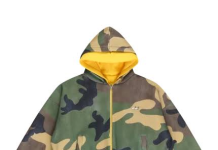
Building a Layered Look Around Your Favorite Hoodie
A hoodie can be one of the easiest pieces to build an everyday outfit around. It offers comfort, warmth, and a relaxed shape, while a strong graphic or distinctive design can give the outfit its own personality. The real versatility of a hoodie becomes more obvious when you start using it as part of a layered outfit.
Layering allows you to change the appearance of the same hoodie without replacing the main piece. A jacket can make it feel more structured, an overshirt can create a lighter casual combination, and different trousers or footwear can completely change the final direction.
For anyone who enjoys streetwear, learning how to layer properly is less about following strict rules and more about understanding proportions, textures, colors, and practicality. With the right combination, a Spider Hoodie can become the central piece of several outfits throughout the year.
Start With the Hoodie as Your Foundation
Before adding layers, decide what role your hoodie will play.
If the hoodie has a large or detailed graphic, it will probably work best as the main visual feature. The outer layers should frame it rather than completely cover it.
A simpler hoodie gives you more freedom to experiment with jackets, overshirts, and accessories.
Think about the color as well. A neutral hoodie can work with a wider range of outerwear, while a brighter design may benefit from simpler layers.
Starting with the hoodie makes the rest of the outfit easier to organize because every additional piece has a clear purpose.
Choose the Right Base Layer
A T-shirt is one of the simplest layers to wear underneath a hoodie.
Although it may not always be visible, it can make the outfit more comfortable and easier to adjust throughout the day. A slightly longer T-shirt can also create a small amount of contrast beneath the hoodie.
If your hoodie is relatively fitted, choose a lightweight T-shirt to avoid unnecessary bulk.
With an oversized hoodie, you have more room to experiment with longer or slightly heavier base layers.
Keep the neckline in mind too. A simple crew-neck T-shirt can maintain a clean appearance, while a different neckline can introduce subtle variation.
Use an Overshirt for a Lighter Layer
An overshirt can sit comfortably between a hoodie and a traditional jacket.
It works particularly well during transitional weather when a heavy coat would be unnecessary. Denim, cotton, canvas, and similar materials can add texture while keeping the outfit casual.
Leave the overshirt open so that the hoodie remains visible underneath.
This combination can work especially well with a graphic Spider Hoodie because the overshirt frames the design rather than completely hiding it.
Choose a relatively simple overshirt if the hoodie already contains a lot of visual detail.
Add a Denim Jacket for Contrast
A denim jacket is a classic layering option because its texture naturally contrasts with soft hoodie fabric.
A darker hoodie underneath blue or washed denim can create separation between the two layers. A lighter denim jacket can also provide contrast against darker streetwear pieces.
Pay attention to sizing. If the hoodie is oversized, the denim jacket needs enough room to sit comfortably over it.
Trying to squeeze a large hoodie into a narrow jacket can restrict movement and make the layers look crowded.
The best combination should allow the hoodie and jacket to retain their individual shapes.
Try a Bomber Jacket for a Stronger Streetwear Feel
A bomber jacket can give a hoodie outfit a more structured appearance.
Its shorter length can create useful contrast with a longer hoodie, particularly when the hoodie extends slightly below the jacket.
This creates a layered silhouette where each garment remains visible.
A simple bomber can also balance a graphic hoodie without competing with its design.
For a relaxed streetwear outfit, combine the layers with straight or wide-leg trousers and comfortable sneakers. The result can feel casual without appearing unfinished.
Consider a Puffer When the Weather Gets Colder
During colder months, a puffer jacket can turn a hoodie into a practical outer layer combination.
Because puffers naturally have volume, they work particularly well with relaxed hoodies.
The key is managing the overall bulk.
If both the hoodie and jacket are extremely oversized, the lower half of the outfit may need a more controlled shape. Straight-leg trousers can provide balance, while wide trousers can create a deliberately oversized silhouette.
Choose according to the look you want rather than automatically matching every oversized piece.
Layer a Hoodie Under a Coat
A hoodie does not have to remain limited to casual jackets.
A longer coat can create an interesting contrast between streetwear and more traditional outerwear.
A graphic hoodie beneath a simple coat allows the hood and artwork to introduce a casual element into an otherwise structured outfit.
This combination works especially well when the colors are relatively controlled.
For example, a neutral coat and trousers can provide a calm foundation while the hoodie becomes the main point of interest.
Think About Lengths Before Adding Layers
Layering is largely about proportions.
If every piece ends at exactly the same point, the outfit can appear flat. Slight differences in length create visual separation.
A T-shirt can extend slightly below the hoodie. The hoodie can extend below a shorter jacket. Trousers can then complete the silhouette.
These differences do not need to be dramatic.
Even a small amount of visible layering can make an outfit feel more considered.
Keep the Color Palette Under Control
Layering introduces more colors, which can make an outfit visually complicated if you are not careful.
One easy approach is to start with neutral supporting colors.
Black, grey, cream, navy, brown, and denim can work with many hoodie designs.
If your Spider Hoodie already has several colors in its graphic, avoid introducing too many additional shades through the jacket and trousers.
Instead, choose one supporting color that complements something already present in the hoodie.
This creates a connection between the layers without making everything look perfectly matched.
Use Texture to Create Depth
Not every layer needs to be a different color.
You can create visual interest through texture instead.
A smooth hoodie combined with denim creates one type of contrast. A soft hoodie under a structured canvas jacket creates another. A puffer introduces a completely different surface and silhouette.
Texture is particularly useful when you prefer neutral colors.
An outfit made mostly from black and grey can still look interesting when the fabrics and shapes are different.
This keeps the styling subtle while adding depth.
Match the Layer to the Weather
Good layering should have a practical reason. Visit this https://spiderofficialhoodie.store/
During mild weather, a T-shirt and hoodie may be enough. When temperatures drop, you can add an overshirt or lightweight jacket.
In colder conditions, a hoodie can become a middle layer beneath a heavier coat or puffer.
This approach means you can remove or add pieces throughout the day without completely changing your outfit.
The most useful layers are the ones that improve both comfort and appearance.
Do Not Hide the Main Graphic
If your hoodie is the centerpiece, make sure your layers allow it to remain visible.
An open jacket is an easy solution.
You can also choose shorter outerwear that ends above or around the hoodie graphic, creating a clear visual separation.
If the hoodie is heavily covered, its design may disappear and the outfit can start looking like it is built around the outer jacket instead.
That is not necessarily a problem, but if the hoodie is supposed to be the focal point, visibility matters.
Choose Trousers That Balance the Upper Half
The lower half of your outfit should support the layers above it.
If you are wearing a bulky hoodie and jacket combination, straight-leg or slightly relaxed trousers can create a balanced silhouette.
Wide-leg cargos or denim can also work if you intentionally want a loose streetwear appearance.
For a more controlled look, pair an oversized upper half with trousers that have a cleaner shape.
There is no single correct combination. The important thing is understanding how each piece affects the overall proportions.
Footwear Can Finish the Layered Outfit
Shoes can reinforce the direction created by your layers.
Simple sneakers can keep the outfit casual and understated. Chunkier sneakers can emphasize oversized proportions, while cleaner footwear can create a more polished appearance.
Consider the colors as well.
If the upper half already contains several shades, neutral footwear can provide a visual break.
If the outfit is mostly monochromatic, shoes can introduce a small accent without overwhelming the look.
Add Accessories Carefully
Layered clothing already creates visual complexity, so accessories should usually be selected with some restraint.
A cap, beanie, crossbody bag, or simple chain can add personality.
You can also use accessories to connect colors across the outfit. A small detail in the same tone as your hoodie graphic can create subtle cohesion.
However, there is no need to add accessories simply because there is space for them.
Sometimes the layered clothing itself provides enough detail.
Experiment With Open and Closed Layers
The same outfit can look different depending on how you wear the outer layer.
An open jacket exposes more of the hoodie and creates a relaxed appearance.
Closing the jacket can make the silhouette more compact and provide additional warmth.
You can also roll or adjust sleeves slightly, depending on the garment, to reveal the layer underneath.
Small adjustments can change the visual balance without requiring different clothes.
Build Layers Around Your Lifestyle
The best layering system is one that fits your routine.
If you spend most of your day moving between indoor and outdoor environments, lightweight removable layers may be more practical.
If you spend long periods outside in cold weather, a heavier outer layer becomes more important.
If you travel frequently, choose pieces that can work together in several combinations.
The goal is to make your wardrobe more adaptable rather than creating complicated outfits that are difficult to manage.
Create Multiple Looks From One Hoodie
One of the biggest benefits of layering is versatility.
The same Spider Hoodie can be worn with an overshirt during mild weather, a denim jacket for a casual weekend outfit, a bomber for a stronger streetwear look, or a puffer when temperatures drop.
Changing the trousers and footwear can further alter the appearance.
This makes one hoodie capable of supporting several different outfits without feeling repetitive.
You are not changing the foundation. You are changing the supporting elements around it.
Avoid Excessive Layering
More layers do not automatically mean better style.
If the outfit becomes too bulky, uncomfortable, or visually crowded, remove one piece.
A simple hoodie and jacket combination may look stronger than a hoodie, shirt, overshirt, jacket, and coat all worn together.
Each layer should have a reason for being there.
If it provides warmth, texture, contrast, or structure, it contributes something useful. If it does none of those things, it may not be necessary.
Make Comfort Part of the Styling Process
Layering should never prevent natural movement.
Check how your shoulders and arms feel when several garments are worn together. Make sure the jacket does not pull tightly around the hoodie sleeves.
Also consider the weight of the outfit.
Several heavy garments can become uncomfortable even when each individual piece feels fine on its own.
Comfort should be evaluated as a complete outfit, not just one garment at a time.
Let Your Personal Style Lead
There are plenty of established streetwear combinations, but you do not need to follow them exactly.
Use layering as an opportunity to experiment.
Try different jacket lengths, trouser cuts, textures, and color combinations. Take note of which outfits feel comfortable and which ones look most natural to you.
Over time, you will develop combinations that become easy to repeat.
That is when layering becomes genuinely useful: you no longer need to think about every individual decision because you understand what works for your wardrobe.
Final Thoughts
Building a layered look around your favorite hoodie is one of the easiest ways to make streetwear more versatile. A Spider Hoodie can serve as the foundation, while T-shirts, overshirts, denim jackets, bombers, puffers, and coats can change the outfit according to the weather and occasion.
Start with the hoodie, then consider proportions, color, texture, and practicality before adding another piece. Keep the main graphic visible when you want it to be the focal point, and use trousers and footwear to balance the silhouette.
Most importantly, do not layer simply for the sake of adding more clothing. Every piece should contribute something useful. When comfort, function, and visual balance come together, layering becomes more than a styling trick—it becomes a practical way to get more from the clothes you already enjoy wearing.