Britain’s hydrogen story did not start with glossy net-zero pledges or conference headlines. It began quietly, in industrial zones, ports, and former energy towns searching for relevance after coal, steel, and heavy manufacturing declined.
Hydrogen entered the picture as a practical response to real constraints. The UK already generates vast renewable power at off-peak hours, struggles with hard-to-recycle waste streams, and needs cleaner fuels for sectors electricity cannot easily reach. Hydrogen sits at the intersection of those pressures.
Today’s leading UK hydrogen companies are not chasing a single vision. Some are unlocking surplus offshore wind to power electrolysers. However, others are converting problematic waste into usable fuel that turns environmental liabilities into energy assets. Let’s find out more about those waste-to-hydrogen companies.
Hydrogen TE
Hydrogen TE sits in a part of the clean energy conversation that rarely gets the spotlight, the waste problem nobody wants to own. In the UK, huge volumes of household and commercial waste still end up headed for landfill or incineration. Hydrogen TE’s pitch is simple and ambitious. Treat that waste as feedstock, then turn it into usable hydrogen that can displace fossil fuel demand.
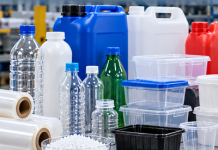
On its site, the company positions itself as a land and plant developer building waste-to-hydrogen facilities. The core system uses plasma-assisted gasification at very high temperature and targets hard-to-recycle streams (such as plastics, tyres, medical waste, MSW and even wind turbine blades).
Hydrogen TE UK Ltd did not emerge as another startup chasing buzzwords. It was established in 2020 with a clear purpose. It was to tackle Britain’s waste and energy challenges in a single engineering solution.
Logan Energy
Logan Energy’s journey in hydrogen did not begin with hype or headlines; it evolved organically from decades of engineering in fuel cells and integrated energy systems. With roots stretching back over 20 years and formal operations linked to its Scottish base, Logan has quietly built a reputation not as a one-trick electrolyser maker, but as a systems-level enabler across the hydrogen value chain, from production to refuelling, storage, compression, dispensing and on-site energy services.
The company’s narrative isn’t about selling a single product, but about bridging gaps where hydrogen infrastructure often stalls. Logan’s teams engineer and deploy integrated hydrogen solutions that tie technical site services to real operational outcomes in heavy transport, industrial power, maritime and community energy hubs. Its portfolio includes refuelling stations for buses across Belfast and the Czech Republic, hydrogen production tied to renewable sources, modular distributed hydrogen systems, and bespoke projects like electrolyser installations at distilleries.
GeoPura
GeoPura’s story begins not as a theoretical experiment but as a direct challenge to one of the most entrenched energy dependencies in the modern world, diesel generators. Founded in 2019, the company was built around a simple yet ambitious idea: turn surplus renewables into a zero-emission fuel that could power real commercial loads without choking air quality or saddling sites with carbon.
Rather than selling hydrogen as an abstract commodity, GeoPura has engineered a full hydrogen ecosystem: it produces low-carbon, fuel-cell-grade hydrogen, distributes it across the UK and integrates that fuel into modular Hydrogen Power Units (HPUs) capable of replacing diesel in off-grid, backup and heavy-duty applications. These HPUs are manufactured in collaboration with Siemens Energy, combining scalable fuel cell technology with robust UK-built hardware.
Octopus Energy
Octopus Energy’s presence in the UK hydrogen space traces back to the company’s broader transformation from a retail energy supplier into a technology-driven clean energy platform. Founded in 2015, Octopus has grown into one of Britain’s most significant renewable investors, running billions in wind, solar and battery assets across Europe, and it has been quietly cultivating hydrogen initiatives as part of that evolution.
At the industrial scale, Octopus Energy’s generation division joined forces with renewable energy developer RES to commit substantial investment (initially targeting around £3 billion) toward new green hydrogen plants across Britain. These efforts were meant to leverage surplus renewable output for hydrogen production, addressing sectors where direct electrification proves difficult.
AFC Energy
AFC Energy represents a sustained UK commitment to displacing fossil fuel power where conventional grids fall short. Based out of Cranleigh in Surrey, this publicly listed British company has built its identity not around abstract hydrogen ambition but around practical power systems that replace diesel generators with clean alternatives based on hydrogen fuel cell technologies.
Rather than chasing headlines about future megaprojects, AFC Energy focuses on hydrogen fuel cells as real working products. Its H-Power range of modular, scalable fuel cell generators operates on hydrogen to produce zero-emission electricity for off-grid and temporary power applications, from busy construction sites to EV charging hubs and industrial settings. These generators offer high power output in rugged, deployable footprints that directly challenge the ubiquity of diesel gensets that still dominate many sectors.
Conclusion
The UK hydrogen landscape is no longer defined by concepts or distant targets. It is being shaped on the ground through infrastructure, engineering decisions, and commercial deployment. Companies converting waste into fuel, building refuelling networks, replacing diesel generation, and linking hydrogen directly to renewables are setting the pace.
What unites the strongest players is not a single technology, but execution at scale, realistic feedstocks, and clear end use. As hydrogen moves deeper into transport, industry, and power resilience, these firms stand out for turning complexity into workable systems. Their progress signals where the hydrogen energy transition in the UK is genuinely heading next.
Frequently Asked Questions (FAQs)
1. What makes hydrogen important for the UK’s clean energy strategy?
Hydrogen addresses sectors electricity cannot easily decarbonise, including heavy transport, industry, backup power, and long-duration energy storage.
2. Are all UK hydrogen companies producing green hydrogen?
No. Some rely on renewable electricity, others use waste-to-hydrogen or low-carbon production routes with carbon capture.
3. How does waste-to-hydrogen differ from electrolysis?
Waste-to-hydrogen converts non-recyclable materials into fuel, reducing landfill use while producing hydrogen without relying solely on renewables.
4. Where is hydrogen being used in the UK today?
Current use includes construction sites, backup power, public transport refuelling, industrial processes, and temporary off-grid energy.
5. What separates serious hydrogen companies from speculative ones?
Real projects, operating assets, defined feedstocks, and clear end-users distinguish companies delivering impact from those making future promises.