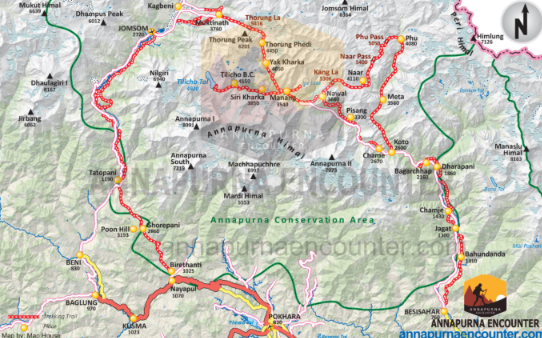
Planning a trek as significant as the Annapurna Circuit requires more than just enthusiasm for mountains; it requires a clear understanding of the route, the daily breakdown, and what the trip will actually cost. Annapurna Encounter has put together a 12-day itinerary that balances efficiency with proper acclimatization, making it accessible for trekkers who cannot take a full month off but still want the complete circuit experience. This guide walks through what each stage of the journey looks like, what expenses to expect, and the practical details that help travelers prepare with confidence rather than guesswork.
Day-by-Day Itinerary Overview
The trek generally begins with a scenic drive or short flight from Kathmandu or Pokhara to the starting point near Besisahar, followed by days of steady walking through the Marsyangdi valley toward Chame and Pisang. From there, the trail climbs through Manang, where a rest day is built in for acclimatization, before pushing higher toward Yak Kharka and Thorong Phedi. The pass crossing at Thorong La comes next, followed by the descent into Muktinath and onward through Jomsom, with the final days involving a drive back to Pokhara. Each stage is designed with realistic walking hours so that trekkers arrive at teahouses with enough daylight left to rest and recover.
Understanding the Cost Breakdown
The overall cost of the trek depends on several factors, including permits, guide and porter fees, accommodation, meals, and transportation to and from the trailhead. Permits such as the Annapurna Conservation Area Permit and the Trekkers’ Information Management System card are mandatory and form a fixed part of the budget. Guide and porter services add a significant but worthwhile cost, particularly for safety at higher elevations. Teahouse accommodation and meals along the trail are generally affordable compared to Western standards, though prices do rise slightly the higher you climb due to the difficulty of transporting supplies.
Permits and Documentation Required
Before setting foot on the trail, trekkers need to sort out the necessary paperwork, since checkpoints along the route verify these documents regularly. The two primary requirements are the ACAP permit, which supports conservation efforts in the Annapurna region, and the TIMS card, which helps authorities track trekker movement for safety purposes. Annapurna Encounter typically handles the arrangement of these permits as part of the package, saving trekkers the hassle of navigating government offices in Kathmandu. Having a local operator manage this paperwork also reduces the risk of delays once the trek is already underway.
Physical Preparation and Fitness Level
While the Annapurna Circuit does not require technical climbing skills, it does demand a reasonable level of cardiovascular fitness and stamina for consecutive days of walking at altitude. Preparing in the weeks before departure with regular hiking, stair climbing, or long walks with a loaded backpack makes a noticeable difference once on the trail. Trekkers who arrive undertrained often find the daily walking more exhausting than expected, particularly on the day of the pass crossing, so building endurance ahead of time is one of the more practical steps anyone can take.
What to Pack for the Trek
Packing correctly for this trek means preparing for a wide range of temperatures, since conditions at lower elevations can be mild while nights near Thorong Phedi drop well below freezing. Essentials include a good sleeping bag rated for cold temperatures, layered clothing, sturdy trekking boots already broken in, and basic first aid supplies. Trekking poles are highly recommended for the steep descent from the pass, and a reliable water purification method helps avoid the extra cost and environmental impact of buying bottled water throughout the journey. Packing light but smart tends to make the daily walking noticeably more comfortable.
Accommodation and Food Along the Route
Teahouses form the backbone of accommodation throughout the trek, offering simple rooms and communal dining areas that become gathering points each evening. Menus typically feature Nepali staples like dal bhat alongside noodle soups, pancakes, and basic pasta dishes, all designed to provide sufficient energy for long walking days. As elevation increases, so do prices, reflecting the effort required to transport goods on foot or by mule to remote villages. Despite the simplicity, the teahouse experience often becomes one of the most memorable parts of the trip, offering warmth, community, and a break from the day’s exertion.
Best Season to Undertake the Trek
Choosing the right time of year has a direct impact on both the difficulty and enjoyment of the trek. Spring, from March through May, brings blooming rhododendron forests and generally stable weather, while autumn, from September through November, is widely regarded as the clearest and most popular season for mountain views. Winter trekking remains an option for those seeking fewer crowds, though snow at the pass can occasionally complicate crossings. Monsoon season, from June through August, is typically avoided due to heavy rainfall, slippery trails, and reduced visibility of the surrounding peaks.
Why Choose Annapurna Encounter for This Trek
Selecting an experienced operator can shape the entire outcome of a trek at this altitude, particularly when unexpected weather or health concerns arise. Annapurna Encounter brings local expertise, trained guides familiar with altitude-related risks, and a support system designed to keep the journey both safe and enjoyable. From permit arrangements to daily logistics, having a knowledgeable team handling the details allows trekkers to focus on the experience itself rather than the planning burden, making the Annapurna Circuit trek 12 days a well-organized and rewarding Himalayan adventure.