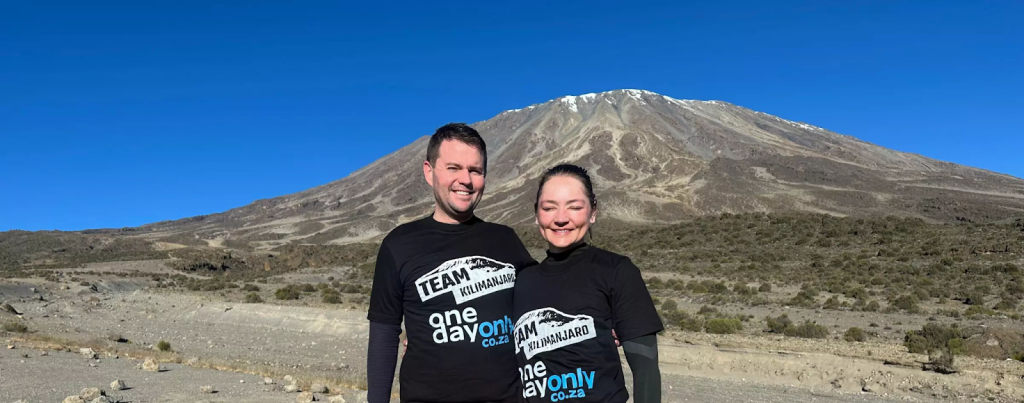
Leadership is often described as a climb — a steady, disciplined journey toward a higher goal. It demands endurance, clarity, and the ability to adapt when the path ahead becomes uncertain. Nowhere are those qualities tested more vividly than on Mount Kilimanjaro, where every decision shapes the outcome of the expedition.
Those who take on the challenge with a trusted climb operator learn quickly that success on the mountain, like success in business, isn’t about speed or luck. It’s about strategy, preparation, and the capacity to stay calm when pressure rises.
Leading with Perspective
Climbing Kilimanjaro gives leaders a rare gift — perspective. At each stage of the ascent, priorities shift. Energy, timing, and team coordination become more important than ambition alone.
This mirrors the evolution of effective leadership. Visionaries who learn to adjust their pace, read their environment, and balance ambition with patience lead teams that endure and thrive.
The Value of Long-Term Strategy
At 5,895 metres, short-term wins mean nothing without sustainable rhythm. The same applies in the boardroom. Great leaders think in stages — planning for adaptability and endurance rather than chasing instant growth.
Kilimanjaro’s ascent follows a deliberate timeline, one that rewards pacing and preparation. Understanding the summit timing guide is a reminder that timing is strategic, not accidental. The best outcomes come to those who climb with intention.
Building Resilience Under Pressure
Altitude is an amplifier — it magnifies every weakness and tests every plan. As oxygen thins, only calm, disciplined focus keeps climbers moving forward.
In business, pressure works the same way. Economic shifts, market competition, or internal challenges can either erode confidence or sharpen it. The leaders who thrive are those who treat pressure as data — a chance to learn, recalibrate, and grow stronger.
The Human Side of Leadership
Despite the summit’s grandeur, Kilimanjaro is a collective experience. No climber succeeds without guides, porters, and teammates. Success depends on communication, empathy, and trust — the same cornerstones that drive successful teams in business.
Leaders who understand this create environments where people feel supported and accountable. They climb higher together.
Vision at the Summit
When the sun rises over Uhuru Peak, the view stretches beyond continents — a horizon that humbles and inspires. That’s the power of altitude thinking: it forces you to zoom out, to see the long-term journey rather than the next step alone.
The best leaders bring that same high-altitude mindset into their daily work — balancing precision with perspective, ambition with patience, and leadership with humanity.
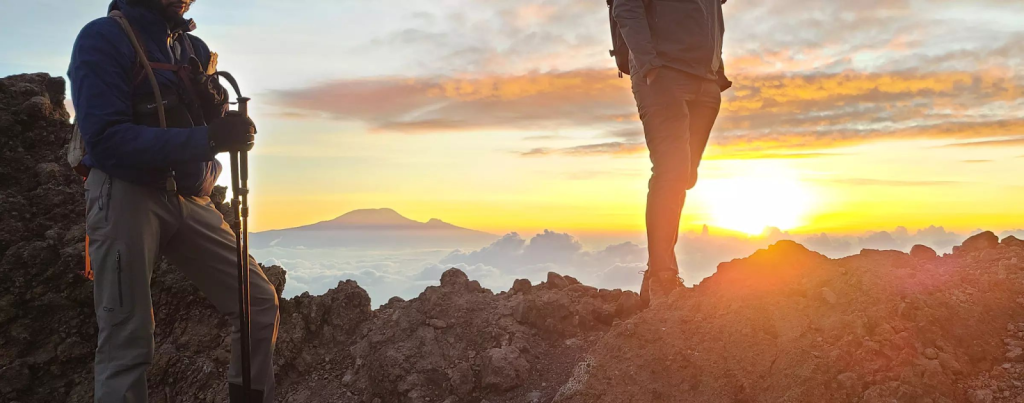
Kilimanjaro reminds us that success isn’t about conquering the climb — it’s about mastering yourself along the way. Whether scaling mountains or markets, vision, resilience, and timing remain the ultimate tools for reaching the top.