An anterior cruciate ligament (ACL) injury can significantly affect knee stability, movement, confidence, and the ability to participate in sports or everyday activities. Whether the injury happens during football, basketball, running, skiing, exercise, or an unexpected change in direction, recovery usually requires a structured approach rather than simply waiting for symptoms to settle.
Physiotherapy plays an important role throughout ACL rehabilitation. It can help improve knee movement, reduce swelling and discomfort, rebuild muscle strength, restore balance and coordination, and gradually prepare the individual to return to normal activities. Physical therapy may be used before surgery, after reconstruction, or as part of rehabilitation for selected individuals who are managed without surgery.
For people considering Acl Injury Treatment Dubai, a personalized rehabilitation program can provide a structured pathway from the initial stages of recovery toward improved strength, stability, and functional movement. At Vitruvian Italian Physiotherapy Center, physiotherapy can be tailored around the patient’s injury, physical condition, lifestyle, and long-term goals.
Understanding an ACL Injury
The ACL is one of the major ligaments connecting the thigh bone to the shin bone within the knee. It contributes to knee stability, particularly during movements involving sudden changes in direction, jumping, landing, or pivoting.
An ACL injury may occur when the knee twists while the foot remains planted, when a person suddenly stops while running, during an awkward landing, or following direct contact. Symptoms can include significant pain, swelling, difficulty putting weight on the affected leg, and a sensation that the knee may give way.
Because ACL injuries can vary considerably, treatment should be based on an appropriate assessment. The extent of the injury, other structures involved, physical activity requirements, previous injuries, and individual goals can all influence rehabilitation planning.
Why Physiotherapy Is Important for ACL Recovery
ACL recovery is about more than allowing the ligament or surgical reconstruction to heal. The surrounding muscles, joints, movement patterns, balance, and confidence also need attention.
A comprehensive Acl Injury Treatment Dubai program may focus on several areas, including:
- Restoring knee mobility
- Managing swelling and discomfort
- Rebuilding quadriceps strength
- Strengthening the hamstrings and surrounding muscles
- Improving balance and coordination
- Developing controlled movement patterns
- Rebuilding functional strength
- Preparing for work, exercise, or sport
- Gradually increasing activity levels
Physical therapists can help people with ACL injuries regain movement and strength and return to desired activities through individualized rehabilitation.
At Vitruvian Italian Physiotherapy Center, the rehabilitation process can be adapted as the patient’s abilities change, allowing treatment to progress from basic movement to more demanding functional activities.
Initial Assessment and Personalized Treatment Planning
A detailed assessment is an important starting point for ACL rehabilitation. The physiotherapist can evaluate the patient’s symptoms, knee movement, muscle strength, balance, walking pattern, and functional limitations.
The assessment may also consider:
- How the injury occurred
- The severity and type of ACL injury
- Whether surgery has been recommended
- Previous knee injuries
- Current swelling and discomfort
- Knee range of motion
- Quadriceps and hamstring strength
- Balance and coordination
- Work requirements
- Sports participation
- Long-term recovery goals
This information helps create a treatment plan that reflects the individual rather than applying the same exercises to every patient.
A personalized approach is particularly important because ACL rehabilitation can involve several stages, and the appropriate exercises can change as recovery progresses.
Pre-Surgery Physiotherapy and Preparation
When ACL reconstruction is planned, physiotherapy may begin before surgery. This phase is often referred to as prehabilitation.
The purpose is to prepare the knee and surrounding muscles for the procedure by working on areas such as swelling, range of motion, and quadriceps strength. Physical therapy before surgery can help patients enter the postoperative rehabilitation period with a better physical foundation.
Pre-surgery rehabilitation may include:
- Gentle mobility exercises
- Quadriceps activation
- Strengthening exercises
- Swelling management
- Walking guidance
- Balance exercises when appropriate
- Education about the rehabilitation process
The specific program depends on the patient’s condition and the recommendations of the orthopedic team.
Early Rehabilitation After ACL Surgery
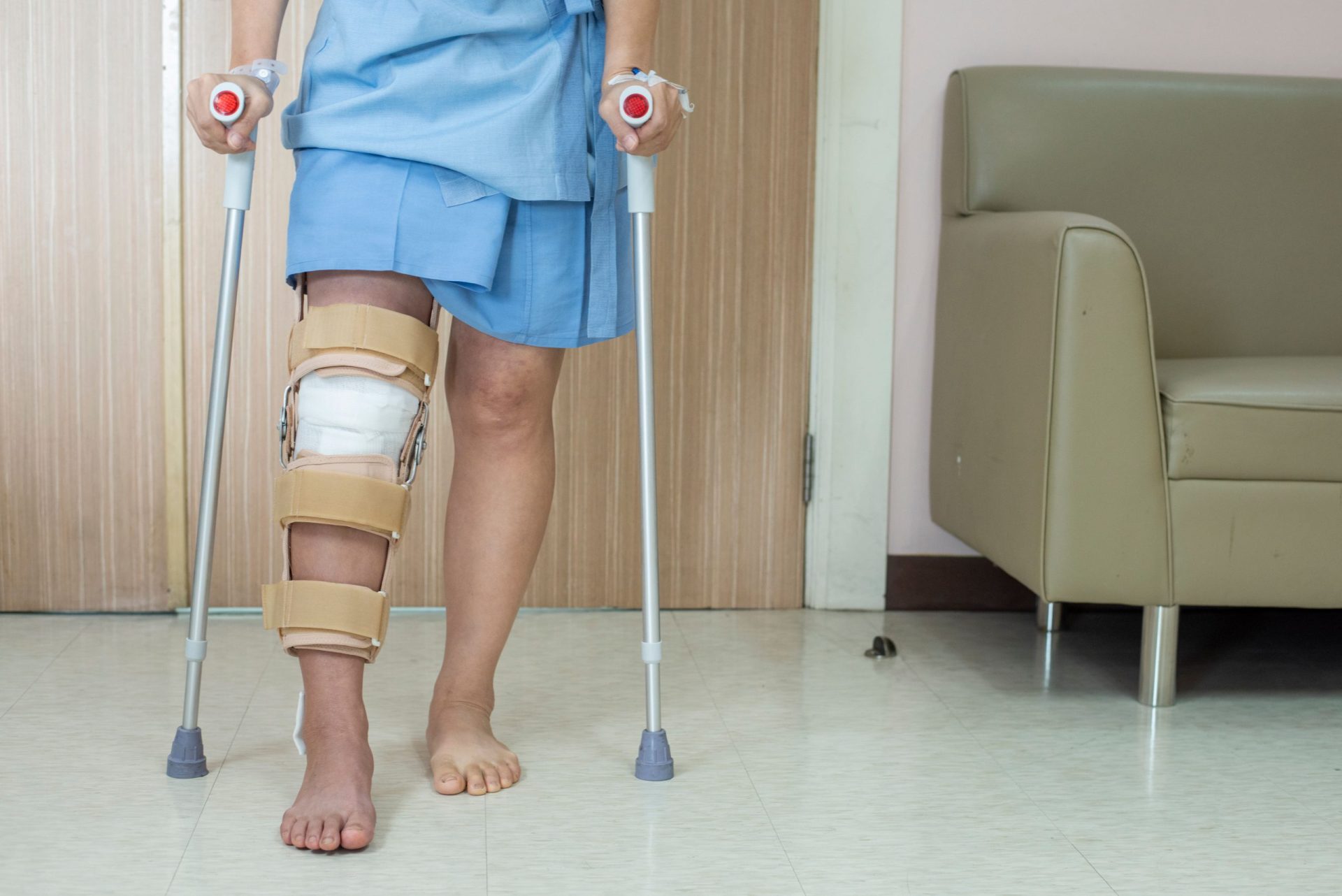
Following ACL reconstruction, rehabilitation generally progresses gradually. The early stage may focus on restoring knee movement, controlling swelling, improving muscle activation, and gradually increasing weight-bearing according to the surgeon’s instructions.
A physiotherapist can help patients understand how to use crutches or other assistive devices when required and guide them through appropriate early exercises.
Early rehabilitation may include:
- Gentle knee movement
- Quadriceps activation
- Controlled weight-bearing
- Swelling management
- Basic walking practice
- Home exercises
- Gradual restoration of knee range of motion
The exact progression depends on the type of surgery, additional injuries, surgical instructions, and individual recovery.
For Acl Injury Treatment Dubai, professional supervision can help ensure that rehabilitation exercises are introduced at an appropriate stage instead of progressing too quickly.
Restoring Knee Mobility
Limited knee movement is common after an ACL injury or reconstruction. Restoring appropriate range of motion is an important part of rehabilitation because stiffness can interfere with walking, exercise, and later strengthening.
Physiotherapy may use carefully selected mobility exercises to gradually improve knee movement. The exercises can be adjusted according to the patient’s stage of recovery and surgical or medical instructions.
The goal is to restore useful movement while respecting the healing process. As mobility improves, rehabilitation can gradually place greater emphasis on strength, stability, and functional activity.
Rebuilding Quadriceps Strength
The quadriceps can become weak following an ACL injury and particularly after surgery. Restoring quadriceps strength is therefore a major component of rehabilitation.
A physiotherapist may begin with controlled muscle activation exercises and gradually introduce resistance-based movements. As strength improves, exercises can become more challenging and functional.
Examples may include:
- Straight-leg exercises
- Controlled knee-extension movements
- Sit-to-stand exercises
- Squat variations
- Step exercises
- Progressive resistance training
Exercise selection depends on the individual’s stage of rehabilitation and clinical requirements.
Rebuilding strength is not simply about making the muscles stronger. It also helps the patient regain confidence in using the affected leg during everyday movements.
Strengthening the Hamstrings and Supporting Muscles
ACL rehabilitation also involves the muscles surrounding the knee, hip, and lower limb. The hamstrings, gluteal muscles, calf muscles, and core can all contribute to lower-limb control.
A progressive rehabilitation program can introduce exercises designed to improve strength and coordination throughout the lower body.
The physiotherapist can adjust resistance, repetitions, movement patterns, and exercise difficulty according to progress.
A balanced strengthening program can help prepare the patient for increasingly demanding functional activities during Acl Injury Treatment Dubai.
Balance and Proprioception Training
An ACL injury can affect a person’s sense of knee stability and movement control. Balance and proprioception exercises can therefore become an important part of rehabilitation.
Early exercises may involve controlled weight shifting or standing with appropriate support. Later, the patient may progress toward more challenging balance tasks.
Depending on recovery goals, rehabilitation may eventually incorporate:
- Single-leg balance
- Controlled weight transfer
- Dynamic balance
- Landing control
- Direction changes
- Agility exercises
The difficulty should be increased gradually and according to the patient’s physical readiness.
Functional Movement Training
Once basic strength and mobility have improved, rehabilitation can become more functional. The objective is to prepare the knee and the entire lower limb for movements that occur during everyday activities, work, exercise, or sport.
Functional exercises may include:
- Squatting
- Stepping
- Lunging
- Controlled landing
- Walking progression
- Running preparation
- Direction changes
- Agility drills
Physical therapists can progressively introduce running, jumping, hopping, and sport-specific activities when appropriate as strength and balance improve.
At Vitruvian Italian Physiotherapy Center, functional rehabilitation can be adapted according to the patient’s lifestyle and desired activity level.
Returning to Sports After ACL Rehabilitation
Athletes often have specific performance goals following an ACL injury. Returning to sport should involve more than simply being able to walk without pain.
A progressive sports rehabilitation program may focus on:
- Strength
- Balance
- Power
- Coordination
- Agility
- Jumping and landing mechanics
- Running
- Deceleration
- Direction changes
- Sport-specific movement
Return-to-sport progression varies significantly between individuals. Physical therapists can design programs around the patient’s goals and physical readiness, with some athletes requiring a year or more to regain the strength, stability, and power needed for their sport.
This makes professional rehabilitation particularly valuable for athletes who want to return to demanding activities in a structured manner.
The Importance of Gradual Progression
One of the central principles of ACL rehabilitation is progression. Exercises should generally become more challenging as strength, movement control, and confidence improve.
Progression may involve increasing:
- Resistance
- Repetitions
- Exercise complexity
- Balance demands
- Movement speed
- Functional demands
- Sport-specific challenges
A patient may move from basic strength exercises to squats, then to single-leg exercises, and eventually to running, jumping, and sport-specific movements.
The precise progression should be determined by the individual’s recovery rather than by a fixed timetable.
Physiotherapy for Non-Surgical ACL Management
Not every ACL injury automatically results in reconstruction. Some individuals may be candidates for non-surgical rehabilitation depending on factors such as the nature of the injury, knee stability, associated damage, activity requirements, and professional assessment.
For selected patients, physiotherapy may focus on restoring strength, agility, balance, and functional control while modifying activities that place excessive demands on the knee.
The decision between surgical and non-surgical management should be made with the appropriate healthcare professionals based on the individual’s circumstances.
Home Exercises and Consistency
Physiotherapy sessions are only one part of the rehabilitation process. A suitable home exercise program can help patients continue working on mobility, strength, and movement control between appointments.
Consistency is important because rehabilitation involves gradual physical adaptation. Patients may be given exercises that complement their supervised sessions.
A home program can include:
- Mobility exercises
- Strengthening
- Balance work
- Muscle activation
- Controlled functional movements
- Stretching where appropriate
Exercises should be performed according to professional instructions, with progression introduced when clinically appropriate.
Understanding ACL Injury Treatment Cost in Dubai
The Acl Injury Treatment cost in Dubai can vary considerably depending on the individual’s rehabilitation requirements. ACL injuries can involve different treatment pathways, and the amount of physiotherapy needed may differ from one person to another.
Factors that may influence the Acl Injury Treatment cost in Dubai include:
- Whether treatment is surgical or non-surgical
- The complexity of the injury
- Whether other knee structures are involved
- The number of physiotherapy sessions
- The duration of rehabilitation
- The patient’s functional goals
- The stage of recovery
- The intensity of sports rehabilitation required
Because ACL recovery can involve several phases, the Acl Injury Treatment cost in Dubai is better understood after an individual assessment and treatment plan have been established.
For patients undergoing rehabilitation at Vitruvian Italian Physiotherapy Center, the treatment approach can be structured around their specific recovery requirements and functional objectives.
Long-Term Strength and Knee Function
Completing the early stages of rehabilitation does not necessarily mean that the recovery journey is finished. Long-term knee function depends on continued strength, movement quality, physical conditioning, and appropriate activity progression.
Patients may benefit from maintaining:
- Lower-body strength
- Core stability
- Balance
- Flexibility
- Movement coordination
- General fitness
For athletes, ongoing conditioning and appropriate exercise technique can be particularly valuable when returning to high-demand activities.
A long-term approach to Acl Injury Treatment Dubai therefore focuses not only on getting through the immediate rehabilitation period but also on developing physical capacity for future activities.
How Physiotherapy Supports Confidence During Recovery
An ACL injury can affect more than physical abilities. Some patients may become hesitant to put weight on the injured leg or perform movements they previously completed without thinking.
Structured rehabilitation can help rebuild confidence by gradually exposing the patient to increasingly demanding movements.
Starting with controlled exercises and progressing toward functional and sport-specific activities allows patients to experience improvements in strength and movement control over time.
This can make rehabilitation a more positive and goal-oriented process.
Working With a Personalized Rehabilitation Team
ACL recovery often involves collaboration between different healthcare professionals. Depending on the patient’s circumstances, this may include an orthopedic surgeon, physiotherapist, and other relevant healthcare providers.
The surgeon can guide surgical decisions and postoperative restrictions when reconstruction is performed, while the physiotherapist can guide movement, exercise, strength, balance, and functional rehabilitation.
Clear communication between professionals helps ensure that rehabilitation remains aligned with the individual’s medical and functional needs.
A Structured Path Toward Long-Term Recovery
ACL rehabilitation is a gradual process that requires patience, consistency, and appropriately planned progression. Physiotherapy can support recovery by addressing mobility, swelling, strength, balance, movement control, and functional performance.
For individuals considering Acl Injury Treatment Dubai, a personalized rehabilitation plan can provide a structured pathway from the initial stages of recovery toward everyday function and, when appropriate, a gradual return to sport.
The Acl Injury Treatment cost in Dubai depends on factors such as the complexity of the injury, treatment pathway, rehabilitation duration, and individual goals, so an assessment is important for understanding the appropriate care requirements.
At Vitruvian Italian Physiotherapy Center, an individualized approach can help patients work progressively toward better knee strength, stability, mobility, and confidence. With professional guidance and consistent participation, physiotherapy can become an important part of long-term ACL recovery and a return to meaningful daily or athletic activities.