Your car’s dashboard is like a control center, constantly giving feedback about the health of your vehicle. Among the lights that can suddenly appear, the ABS warning light is one that demands attention. While your vehicle might still seem to operate normally, this light signals a potentially serious issue with your braking system that could impact safety when it matters most.
In this article, we’ll explore what the ABS warning light means, why it comes on, and how you should respond.
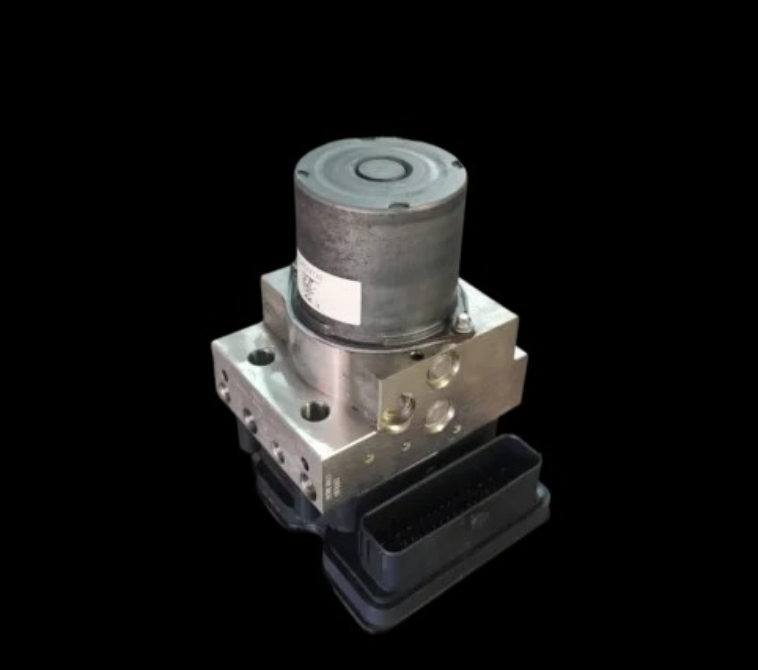
What Is the ABS System?
ABS stands for Anti-lock Braking System, and it’s designed to prevent your wheels from locking during hard or sudden braking. If you’ve ever had to slam on the brakes and felt a pulsing sensation in the pedal, that was your ABS in action. It helps you maintain steering control and prevents skidding—especially on wet, icy, or loose surfaces.
ABS doesn’t shorten braking distance in all cases, but it significantly improves your control in emergencies, making it a vital part of your car’s safety system.
What Triggers the ABS Warning Light?
The ABS warning light usually illuminates in yellow or amber on your dashboard. It’s often labeled “ABS” or appears as a circle with the letters inside. When it comes on and stays on, it means something is wrong with the anti-lock braking system.
Here are the most common causes:
- Faulty Wheel Speed Sensors
ABS sensors monitor how fast each wheel is turning. If a sensor becomes dirty, damaged, or fails, the system can’t get accurate readings and disables itself. - Damaged Sensor Wiring
Wires connecting the wheel sensors to the ABS module can wear out or get damaged by road debris, water, or salt. - Low Brake Fluid
Brake fluid is essential for both regular braking and ABS operation. A drop in fluid level can trigger the ABS light in some vehicles. - ABS Module Malfunction
The control module that manages the ABS system can fail due to age, corrosion, or internal electrical issues. - Blown Fuses or Relay Faults
A blown fuse in the ABS circuit can deactivate the system entirely, triggering the warning light.
Can You Drive With the ABS Light On?
Yes—but with caution. If the ABS warning light is on, your vehicle will still have basic braking ability. However, you’ll lose the anti-lock feature, which could make a big difference in poor road conditions or during emergency braking.
If the ABS light appears alongside the red brake warning light, this indicates a more serious issue that may affect your overall braking ability. In that case, it’s best to pull over safely and get your car checked immediately.
What to Do When the ABS Warning Light Appears
If you see the ABS warning light, here are steps you can take:
- Check your brake fluid level. Top it off if it’s low, using the type recommended in your owner’s manual.
- Restart your vehicle. Some systems may reset if the issue was temporary.
- Use an OBD-II scanner. This tool can read trouble codes and help pinpoint the exact problem.
- Inspect the wheel areas. Look for disconnected or damaged wires near each tire, especially if you’re comfortable with basic car checks.
- Visit a qualified technician. A professional inspection can confirm the issue and ensure your safety.
Final Thoughts
The ABS warning light is not just a small inconvenience—it’s your vehicle’s way of telling you that an important safety feature is offline. While your brakes may still work, the loss of ABS can compromise your ability to stop safely under challenging conditions. Staying on top of this warning ensures you’re driving a vehicle that’s ready to respond when you need it most.