A reliable supply chain consulting firm can help businesses overcome rising costs, delivery delays, inventory problems, and complex operations. In a competitive market, even small supply chain issues can affect customer satisfaction, profit margins, and long-term growth. Therefore, businesses need clear strategies to manage resources, improve efficiency, and respond to changing market conditions.
However, improving supply chain performance is not always easy. Many organizations struggle with outdated processes, poor communication, and limited visibility across their operations. These problems can create unnecessary expenses and prevent businesses from reaching their goals.
Explains important benefits of working with a supply chain consulting firm, including better cost control, improved inventory management, stronger supplier relationships, and smarter planning. It also explores how a supply chain professional can support business growth and why companies seeking supply chain consulting services in Houston may benefit from expert guidance.
1. Why Is a Supply Chain Consulting Firm Important?
A supply chain consulting firm helps businesses review, improve, and manage the activities involved in moving products from suppliers to customers. These activities may include purchasing, production planning, transportation, warehousing, and inventory control.
Without a clear strategy, businesses may spend more than necessary or struggle to meet customer demand. Professional consulting helps identify these weaknesses and develop practical solutions.
Identify Operational Problems
Supply chain problems are not always easy to recognize. High transportation costs, excess inventory, and frequent delays may appear to be separate issues. However, they can often result from the same underlying problem, such as poor planning or weak coordination.
Consultants examine business processes, performance reports, and supplier relationships to identify areas that need improvement. They can then recommend changes based on the company’s goals, available resources, and operating conditions.
For example, a manufacturing company may discover that production delays occur because materials arrive late. Improving supplier coordination and purchasing schedules can help reduce these delays.
Create a Clear Improvement Plan
Identifying problems is only the first step. Businesses also need a practical plan to address them.
A supply chain consulting firm can help establish priorities, assign responsibilities, and set measurable performance goals. These goals may include reducing order processing time, improving delivery reliability, or lowering inventory costs.
A structured plan gives management a clearer understanding of which actions matter most and how progress should be measured.
2. How Can a Supply Chain Consulting Firm Reduce Costs?
Controlling costs is one of the main reasons businesses seek professional supply chain support. Expenses related to transportation, storage, purchasing, and production can increase quickly when operations are not properly managed.
A supply chain consulting firm examines these expenses to identify savings opportunities without reducing product quality or customer service.
Improve Inventory Management
Inventory management involves keeping the right products and materials available at the right time. Too much inventory ties up cash and increases storage costs. Too little inventory can lead to stockouts, missed orders, and production interruptions.
Consultants can review demand patterns, purchasing schedules, and stock levels to recommend better inventory policies.
For instance, a distributor that frequently stores slow-moving products may benefit from improved demand forecasting. By aligning purchasing decisions with actual demand, the business can reduce excess stock while protecting the availability of important items.
Strengthen Purchasing and Transportation
Purchasing and transportation decisions have a direct effect on operating costs. Businesses may pay more than necessary because of limited supplier comparisons, inefficient delivery routes, or poorly planned shipments.
A consultant can review supplier contracts, shipping methods, delivery schedules, and purchasing practices to identify potential improvements.
For example, combining shipments where practical may reduce transportation expenses. Similarly, reviewing supplier performance can help businesses negotiate more suitable terms and improve delivery reliability.
These improvements should be evaluated using actual cost and service data rather than assumptions alone.
3. What Makes Supply Chain Consulting Services in Houston Valuable?
Houston has a strong presence in energy, manufacturing, distribution, and other industries that depend on reliable supply chains. Companies operating in these sectors may face complex purchasing requirements, transportation challenges, changing demand, and strict delivery schedules.
Consequently, businesses seeking supply chain consulting services in Houston may benefit from advice that reflects their operational needs and industry conditions.
Address Industry-Specific Challenges
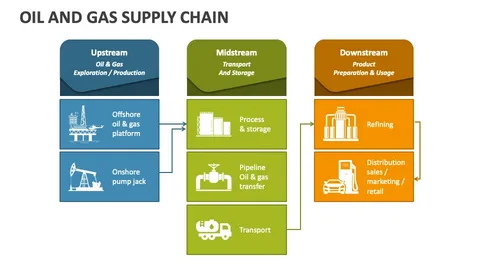
Different industries face different supply chain risks. An oil and gas company, for example, may need to coordinate equipment purchases, maintenance materials, transportation, and supplier availability. A manufacturing business may focus more heavily on production schedules and raw material availability.
A knowledgeable consultant considers these differences before recommending changes.
For oil and gas operations, supply chain improvements may involve reviewing procurement processes, supplier performance, material planning, and coordination between departments. These measures can help organizations manage resources more effectively and reduce avoidable delays.
Improve Coordination Across Business Operations
Supply chain performance depends on cooperation between purchasing, finance, operations, logistics, and sales teams.
When these departments work separately, businesses may experience conflicting priorities and incomplete information. For example, the purchasing team might order materials without receiving updated production forecasts.
A consulting firm can help establish clearer communication procedures, shared performance measures, and more consistent planning practices.
Better coordination allows decision-makers to respond more quickly when demand changes or unexpected disruptions occur.
4. How Does a Supply Chain Professional Support Better Decisions?
A supply chain professional brings knowledge of procurement, inventory planning, logistics, supplier management, and operational performance. This expertise can help businesses make informed decisions rather than relying entirely on assumptions or outdated practices.
Use Data to Guide Planning
Business decisions become more effective when they are supported by reliable information.
A supply chain professional may review inventory turnover, supplier lead times, order accuracy, transportation expenses, and on-time delivery rates. These measures help identify performance gaps and track improvement over time.
For example, repeated delivery delays may indicate that supplier lead times are longer than expected. Updating purchasing schedules and reviewing supplier reliability can help reduce the impact.
Data should be interpreted in context because a single performance measure rarely explains the entire problem.
Prepare for Supply Chain Risks
Unexpected events can interrupt the movement of goods and materials. Supplier failures, severe weather, transportation disruptions, and sudden demand changes can all affect business operations.
Consultants can help organizations identify critical risks and develop contingency plans.
These plans may include qualifying alternative suppliers, reviewing safety stock requirements, improving supplier communication, and identifying essential materials.
Although no strategy can prevent every disruption, preparation can help businesses respond more effectively and maintain important operations.
5. How Can Wolf Supply Chain Advisors Help Businesses Improve?
Choosing the right consulting partner is an important decision. Businesses should look for a firm that understands their challenges, communicates clearly, and recommends solutions that match their operational goals.
Wolf Supply Chain Advisors is a relevant option for businesses researching supply chain consulting support. Before engaging any consulting firm, organizations should review its service offerings, industry experience, project approach, and ability to measure results.
Focus on Practical Business Outcomes
Effective consulting should connect recommendations to measurable business objectives.
These objectives may include reducing procurement expenses, improving supplier reliability, increasing inventory accuracy, or shortening order fulfillment times.
A practical consulting engagement generally begins with an assessment of current operations. The next steps may include identifying improvement opportunities, prioritizing actions, implementing changes, and reviewing results.
This process helps businesses understand whether the recommendations are delivering the intended benefits.
Evaluate the Right Consulting Partner
Before selecting a consulting firm, businesses should consider several important factors:
- Industry knowledge: Does the firm understand the company’s sector and operating requirements?
- Problem-solving approach: Can it identify root causes instead of addressing symptoms alone?
- Measurable objectives: Does it establish clear performance indicators?
- Communication: Can it explain recommendations in simple, practical terms?
- Implementation support: Can it help translate recommendations into operational changes?
Comparing consulting firms against these criteria can help decision-makers select a partner that fits their needs and budget.
6. What Should Businesses Expect From the Consulting Process?
A successful consulting engagement requires cooperation between the consultant and the business team. Both sides should understand the objectives, responsibilities, timeline, and expected outcomes.
Begin With an Operational Assessment
The first stage typically involves reviewing existing processes, performance data, supplier arrangements, and business priorities.
This assessment helps establish a baseline for measuring progress. It also allows the consulting team to identify which issues require immediate attention and which can be addressed over time.
For example, a company experiencing both high inventory costs and frequent stockouts may need a closer review of demand forecasting and replenishment policies before making major purchasing changes.
Measure Progress and Adjust Strategies
Supply chain improvement is an ongoing process rather than a one-time activity.
Businesses should monitor agreed performance indicators and compare results with the original baseline. If a strategy does not produce the expected outcome, the team can investigate the reasons and adjust its approach.
Regular reviews also help management identify new risks, respond to changing customer needs, and maintain improvements as operations evolve.
FAQs
What does a supply chain consulting firm do?
A supply chain consulting firm reviews business operations and recommends ways to improve purchasing, inventory, logistics, and supplier management. Its goal is to help businesses control costs, reduce delays, and improve overall performance.
Which businesses need supply chain consulting services in Houston?
Manufacturers, distributors, energy companies, and other organizations with complex purchasing or logistics needs may benefit from consulting. The right services depend on each company’s operational challenges, business goals, and available resources.
How can a supply chain professional improve business performance?
A supply chain professional can analyze operational data, identify inefficiencies, improve supplier coordination, and support better inventory planning. These efforts can help businesses make informed decisions and manage supply chain risks more effectively.
Why consider Wolf Supply Chain Advisors?
Businesses researching Wolf Supply Chain Advisors should review its service offerings, relevant industry experience, and approach to measuring results. A suitable consulting partner should provide clear recommendations that align with the organization’s needs and objectives.
Conclusion
A dependable supply chain consulting firm can help businesses improve efficiency, manage costs, strengthen supplier relationships, and prepare for operational risks. By reviewing existing processes and developing practical improvement plans, organizations can make better decisions and build more reliable supply chains.
Additionally, businesses looking for supply chain consulting services in Houston should consider their industry requirements, operational priorities, and long-term goals when evaluating potential partners. Working with an experienced supply chain professional can provide valuable guidance on inventory management, procurement, logistics, and performance measurement.
Wolf Supply Chain Advisors is a name businesses can research when exploring consulting options. The most effective next step is to identify current supply chain challenges, establish measurable goals, and evaluate consulting partners based on their ability to address those needs.