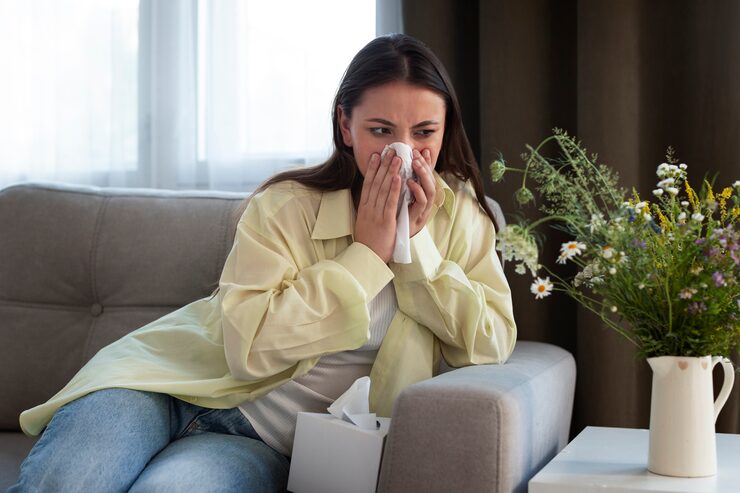
If you’ve ever woken up with a scratchy throat, puffy eyes, and a nose that simply won’t stop running, you already know how quickly allergies can hijack your day. They don’t care if you have a big meeting or a weekend trip planned. One minute you’re fine, and the next you’re reaching for a tissue box for the third time in an hour.
The good news is that you don’t always need a specialist visit or a prescription pad to feel better. A lot of relief actually starts right where you are, at home, with a few consistent habits and a better understanding of what’s triggering your symptoms in the first place. This guide walks through what actually helps, based on how allergies work and what tends to hold up over time, not just quick fixes that fade by afternoon.
Understanding Allergy Symptom Relief: Why It Starts With Identifying Triggers
Before reaching for any remedy, it helps to know what you’re actually dealing with. Allergies happen when your immune system overreacts to something harmless, like pollen, dust mites, pet dander, or mold spores, treating it like a threat. That overreaction is what causes the sneezing, itchy eyes, congestion, and skin irritation most people associate with allergy season.
This is why real allergy symptom relief usually starts with a bit of detective work. Keep a simple note on your phone for a week or two: when symptoms flare, what you were doing, and where you were. Patterns tend to show up fast. Maybe it’s worse right after vacuuming, or every morning near an open window, or specifically when the cat curls up on your lap. Once you know the trigger, you can actually do something about it instead of just treating symptoms after the fact.
Clean the Air You’re Actually Breathing
Indoor air quality plays a bigger role than most people realize. Dust, pet dander, and pollen that drifts in through open windows or clings to clothing can settle into carpets, curtains, and bedding, quietly building up over time.
A few adjustments make a noticeable difference:
- Use a HEPA air purifier in the rooms where you spend the most time, especially the bedroom.
- Wash bedding weekly in hot water to cut down on dust mites.
- Keep windows closed during high pollen days, especially in early morning when pollen counts peak.
- Vacuum with a HEPA-filter vacuum rather than a standard one, which can just recirculate allergens.
None of these steps require special equipment or a big budget, but together they reduce the overall allergen load in your home, which means your body has less to react to in the first place.
Rinse, Don’t Just Mask
One of the most underrated tools for allergy symptom relief is a simple saline rinse. Nasal irrigation, using something like a neti pot or a saline spray, physically flushes pollen, dust, and irritants out of your nasal passages before they cause a bigger reaction. It sounds a little unpleasant the first time, but most people who stick with it say it becomes part of their routine fairly quickly, especially during high-pollen weeks.
A warm compress can help too, particularly for itchy or swollen eyes. Just a clean, damp washcloth held gently over closed eyes for a few minutes can ease irritation without any medication at all.
Know When Over-the-Counter Options Make Sense
Home remedies go a long way, but there’s no need to be a purist about it. Over-the-counter antihistamines, decongestants, and nasal corticosteroid sprays are widely used for a reason: they work for a lot of people, and they’re generally well tolerated when used as directed.
That said, allergy symptom relief isn’t one-size-fits-all. Some antihistamines cause drowsiness, which matters if you’re driving or working. Decongestant sprays shouldn’t be used for more than a few days in a row, since overuse can actually make congestion worse. If you’re not sure what fits your situation, a pharmacist is a genuinely useful resource here. They see these questions daily and can point you toward something suited to your specific symptoms and any other medications you’re taking.
Don’t Underestimate the Basics
It’s easy to overlook the simple stuff when you’re focused on finding the “right” remedy, but hydration, sleep, and stress levels all influence how your body handles allergens. Dehydration can thicken mucus and make congestion worse. Poor sleep tends to lower your body’s tolerance for irritation and inflammation generally. And chronic stress has a well-documented link to heightened immune reactivity, which can make allergy symptoms feel more intense than they otherwise would.
None of this replaces targeted treatment, but it does mean that taking care of the fundamentals gives every other remedy a better chance of actually working.
Bringing It All Together
Managing allergies at home isn’t about finding one miracle fix. It’s closer to building a small system: knowing your triggers, cleaning up your environment, using simple physical remedies like saline rinses, and choosing over-the-counter help thoughtfully when you need it. Each piece does a little work, and together they add up to something that actually holds up day to day.
If your symptoms are severe, persistent, or start interfering with sleep or daily life, it’s worth talking to a doctor or allergist. Some symptoms overlap with other conditions, and a proper evaluation can rule those out and open the door to more targeted treatment, including allergy testing or immunotherapy.
But for the everyday sneezing, itching, and congestion that comes with pollen season or a dusty apartment, these home-based habits are a solid, sustainable starting point. Small, consistent changes tend to beat any single quick fix, and that’s really what long-term allergy symptom relief looks like in practice.