

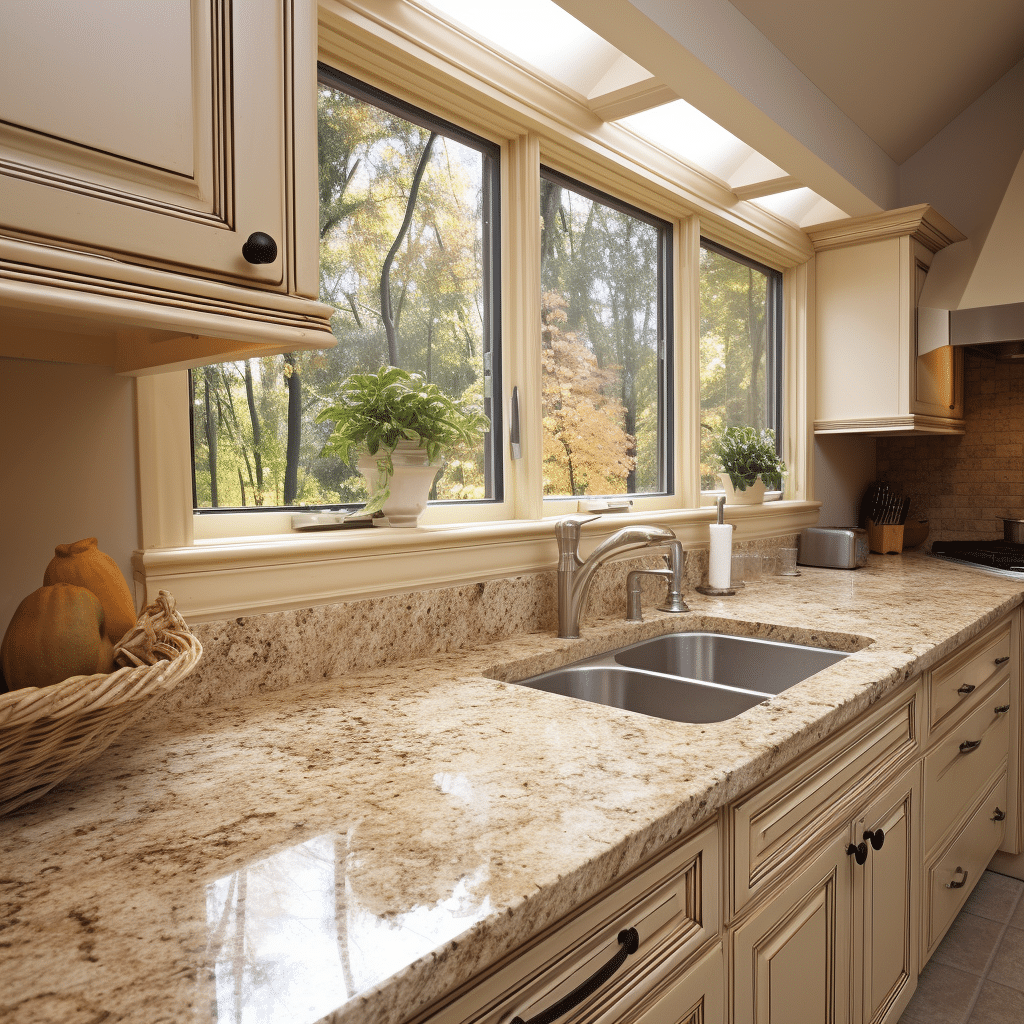
Natural materials have a unique ability to make interior spaces feel welcoming, distinctive, and connected to the outdoors. In kitchens, bathrooms, and other living areas, stone surfaces introduce natural patterns, varied textures, and colors that complement a wide range of design styles. Homeowners planning a renovation often consider stone because it combines visual character with practical functionality, making it suitable for both traditional interiors and contemporary spaces.
When comparing materials for a kitchen renovation, exploring different quartzite countertop designs can help homeowners understand how natural veining, color variations, and surface finishes influence the final result. Quartzite is valued for its distinctive appearance and mineral composition, offering options that range from subtle white and gray patterns to more dramatic colors and flowing veins. Selecting the right slab allows homeowners to establish a focal point without compromising the overall design of the room.
The appeal of stone extends beyond kitchens. Bathroom vanities, laundry rooms, wet bars, and other interior spaces can benefit from carefully selected stone surfaces. Each application has different practical requirements, so choosing a suitable material involves considering moisture exposure, cleaning routines, installation conditions, and the desired appearance. A thoughtful selection process helps ensure that the finished surface complements the space while serving its intended purpose.
Natural stone also introduces an element of individuality into interior design. Unlike many manufactured materials that aim for consistent patterns, natural stone develops through geological processes that create variations in color, mineral distribution, and veining. These differences mean that the appearance of a finished countertop depends partly on the specific slab selected, making material inspection an important step before fabrication.
Understanding the Appeal of Natural Stone
Natural stone has been used in architecture and interior design for generations. Its enduring popularity comes from the combination of natural variation, tactile character, and adaptability. Different stones have distinct visual qualities, allowing homeowners to choose materials that support a specific design direction rather than relying on a single standard appearance.
Granite, marble, quartzite, and other natural stones each have their own characteristics. Granite often displays granular patterns created by visible mineral crystals. Marble is known for its expressive veining and softer visual transitions. Quartzite can feature dramatic movement, subtle tonal variations, or patterns that resemble marble, depending on its geological composition.
These differences matter when coordinating stone with cabinets, flooring, and wall finishes. A countertop with prominent veins may serve as the main visual feature in a kitchen, while a more uniform stone can create a quiet foundation for colorful cabinetry or decorative lighting. The right approach depends on the proportions of the room and how much visual contrast the homeowner wants to introduce.
Natural stone can also be used beyond horizontal countertops. Depending on the material and installation requirements, it may be incorporated into backsplashes, fireplace surrounds, accent walls, and bathroom features. Using related stone finishes in different areas can create continuity throughout a home, although each application should be evaluated for its suitability and maintenance requirements.
What Makes Quartzite Different From Other Stones?
Quartzite is a natural metamorphic rock that forms when quartz-rich sandstone undergoes heat and pressure. During this process, the original grains become tightly bonded, producing a material that is often hard and durable. Its precise characteristics depend on its mineral composition, geological history, and the quality of the individual slab.
One reason quartzite attracts attention is its range of appearances. Some varieties have light backgrounds with delicate gray veining, while others display warm beige tones, green accents, or more dramatic patterns. This range makes it possible to use quartzite in minimalist interiors, transitional kitchens, and spaces where a distinctive natural surface is intended to stand out.
Quartzite is sometimes confused with engineered quartz because their names are similar. However, they are different materials. Natural quartzite is quarried as stone, whereas engineered quartz is manufactured using quartz particles combined with binding materials and other ingredients. Their appearance, fabrication requirements, and care recommendations can differ considerably.
Homeowners should confirm the identity of the material before purchasing it. Trade names and showroom descriptions can sometimes be confusing, particularly when a stone has a pattern resembling another material. Asking the supplier for accurate material identification and care instructions helps avoid misunderstandings about the countertop’s expected performance.
Quartzite can be suitable for kitchens, islands, and other surfaces when the specific variety is appropriate for the application. Nevertheless, not every slab behaves identically. Porosity, mineral composition, surface treatment, and fabrication quality can affect performance, so it is important to evaluate the actual stone rather than relying solely on general descriptions.
Choosing Colors and Patterns for Different Interior Styles
The color and pattern of a countertop can influence the entire atmosphere of a room. Light stone surfaces often contribute to an open, airy appearance, while darker materials may introduce depth and contrast. Warm neutrals can create a comfortable, natural look, whereas cooler grays and whites may suit more contemporary designs.
White and light-gray quartzite can work particularly well with white cabinetry, brushed-metal hardware, and understated backsplashes. These combinations allow the natural pattern of the stone to remain visible without overwhelming the room. In a kitchen with darker cabinets, a lighter countertop can create contrast and help distinguish the work surfaces from the surrounding cabinetry.
Stone with stronger veining may be especially effective on an island. Because islands are often visible from several directions, a distinctive slab can become a central design feature. However, homeowners should consider how the pattern will appear across the full surface rather than focusing only on a small sample.
For traditional interiors, beige, cream, and warm gray stone can complement wood cabinets and classic fixtures. In modern spaces, restrained patterns and clean edges may reinforce a streamlined appearance. These are not strict rules; contrasting materials can work well when their colors, textures, and proportions are carefully balanced.
Lighting should also be considered during selection. Daylight, warm artificial lighting, and cool overhead lighting can influence how a stone’s undertones appear. Viewing samples in the intended room, where possible, helps homeowners understand whether the material will coordinate with the rest of the design.
Coordinating Countertops With Cabinets and Backsplashes
A cohesive interior usually comes from balancing the main surfaces rather than matching every element exactly. Countertops, cabinets, and backsplashes occupy substantial visual space, so the relationship between their colors and patterns can determine whether the room feels harmonious.
If the countertop contains prominent veining, a simple backsplash can allow the stone to remain the primary feature. Conversely, a relatively uniform countertop can provide a neutral background for decorative tiles or textured wall finishes. Combining several highly patterned materials may make a small kitchen feel visually crowded.
Cabinet color is another important consideration. White and cream cabinets can complement both warm and cool stone varieties, while dark green, navy, and charcoal cabinetry may benefit from a contrasting lighter surface. Wood cabinetry can pair well with natural stone in earthy tones, particularly when the undertones of the two materials are compatible.
Homeowners should also think about hardware, faucets, and appliances. Brushed nickel, stainless steel, brass, and matte black finishes can create different effects depending on the stone’s color. Looking at these elements together before making a final decision helps create a coordinated design.
The goal is not necessarily to make every finish identical. A carefully selected contrast can add depth and personality to a room, while repeated colors or textures can create continuity. The most successful combinations generally reflect a clear design intention.
Exploring Natural Stone Countertop Applications
Stone countertops are commonly associated with kitchens, but their use extends to several other areas of the home. Bathroom vanities, laundry rooms, beverage stations, and decorative built-ins can all benefit from an appropriate stone surface. Each application introduces different conditions that should influence material selection. In kitchens, countertops need to support food preparation, cleaning, and frequent daily use. A suitable stone should be selected according to its performance characteristics, maintenance requirements, and the household’s routines. Sink cutouts, appliance placement, and overhangs should also be planned before fabrication.
Bathrooms introduce regular moisture exposure, personal-care products, and different cleaning routines. The selected stone and finish should be appropriate for these conditions. Proper installation, suitable sealants where required, and compatible cleaning products can help maintain the surface.
Laundry rooms and utility spaces may benefit from durable, easy-to-clean work surfaces. Although these rooms may not receive the same design attention as kitchens, a well-chosen countertop can make the space more functional while contributing to a consistent interior style. For homeowners seeking inspiration across these applications, reviewing different natural stone countertop options can help clarify the available appearances and potential design uses. Material selection should still be based on the specific stone’s characteristics and the conditions in which it will be installed.
Understanding Surface Finishes
The finish applied to a stone surface changes how it looks and interacts with light. Polished finishes create a reflective appearance that can emphasize colors and mineral patterns. They are often selected when homeowners want a refined surface that highlights the stone’s natural details. Honed finishes offer a more matte appearance. They can suit interiors where softer reflections and understated textures are preferred. Depending on the material, a honed surface may show marks differently from a polished one, so homeowners should ask about the practical implications before making a selection.
Other finishes may be available depending on the stone and supplier. Their suitability varies according to the material, the intended application, and the desired maintenance routine. A finish appropriate for one type of stone should not automatically be assumed to work equally well on another.
It is helpful to examine actual samples under different lighting conditions. Small samples provide useful information about color and texture, but they may not reveal how a large slab’s pattern will appear across an island or continuous countertop. Viewing the full slab can help homeowners understand the overall visual effect.
Planning Fabrication and Installation
Careful planning is essential to achieving a good result with natural stone. Measurements must account for the dimensions of the cabinets, the position of walls, sink openings, appliance cutouts, and any overhangs. Professional templating can help identify irregularities and reduce the likelihood of fitting problems during installation. Cabinets should be secure and level before the countertop is installed. Because stone can be heavy, the required support depends on the material’s thickness, the length of unsupported sections, and the design of the countertop. Installers should evaluate these factors before fabrication and installation proceed.
Slab layout is particularly important when a stone has pronounced veining. The location of seams and the orientation of the pattern can influence how continuous the finished surface appears. Discussing the layout with the fabricator allows the homeowner to understand how the material will be positioned and where visible seams may occur. Edge profiles also affect the final appearance. Straight edges may suit contemporary designs, while rounded or decorative edges can complement traditional spaces. The choice should account for the stone, countertop thickness, cabinet style, and practical requirements around corners and seating areas.
Before fabrication begins, homeowners should confirm the sink, faucet, and appliance specifications. Changes after cutting can create complications or additional work. Coordinating the countertop installation with cabinet installers and plumbers can also help keep the renovation organized.
Maintaining Natural Stone Surfaces
Natural stone can retain its appearance for many years when it receives appropriate care. However, maintenance requirements vary by material, finish, and installation. Homeowners should follow the recommendations provided for their specific stone rather than assuming every natural surface needs the same treatment. Routine cleaning often involves a soft cloth and a cleaner suitable for the selected material. Harsh chemicals, abrasive pads, and acidic products can damage certain stones or finishes. Marble, for example, is particularly susceptible to etching from acidic substances, while other materials have different sensitivities.
Spills should be cleaned promptly, especially when they involve oils, strongly colored foods, or acidic liquids. Cutting boards help protect countertops during food preparation, and trivets can reduce the risk of damage from hot cookware. These simple habits are useful even when a stone is known for its hardness.
Some natural stone surfaces benefit from sealing to reduce liquid absorption. The need for sealing and the recommended schedule depend on the specific material and supplier’s guidance. Sealing does not make every stone completely stain-proof, and it does not eliminate all forms of surface damage. Regular inspection can help homeowners identify issues around sinks, seams, and edges before they become more difficult to address. If a surface develops persistent staining or damage, consulting a qualified stone-care professional is generally preferable to experimenting with aggressive cleaning methods.
Balancing Design Preferences and Practical Needs
The most attractive countertop is not always the most suitable one for a particular household. A family that cooks frequently may prioritize easy cleaning and resistance to common kitchen wear. Someone designing a low-use entertainment area may place greater emphasis on distinctive patterns and visual impact. Maintenance preferences should be considered early. Some homeowners are comfortable following stone-specific care routines, while others prefer a surface that requires less specialized attention. Understanding these differences can prevent disappointment after installation.
The renovation budget should also account for more than the material itself. Measurements, fabrication, edge treatments, cutouts, transportation, and installation can all influence the overall project cost. Comparing quotations with clearly defined inclusions helps homeowners evaluate the complete project rather than focusing only on the price per slab. Availability is another factor. A particular stone may have substantial variation between batches or limited availability from a supplier. Inspecting the actual slab and confirming that sufficient material is available for the project can help avoid unexpected design compromises.
Creating a Timeless Interior With Stone
Natural stone offers homeowners a wide range of design possibilities, from subtle surfaces that complement their surroundings to striking patterns that become the main feature of a room. Quartzite, granite, marble, and other stones each provide different visual and practical characteristics, making careful comparison worthwhile. A successful selection process considers the intended use, material identity, color, finish, installation requirements, and long-term care. Coordinating these factors with cabinets, lighting, flooring, and other finishes helps create an interior that feels considered rather than assembled from unrelated elements.
By inspecting actual slabs, consulting experienced fabricators, and understanding the maintenance needs of the selected material, homeowners can make informed decisions that suit their preferences and routines. With appropriate planning and care, natural stone countertops can contribute both functionality and distinctive character to a home’s interior for years to come.

