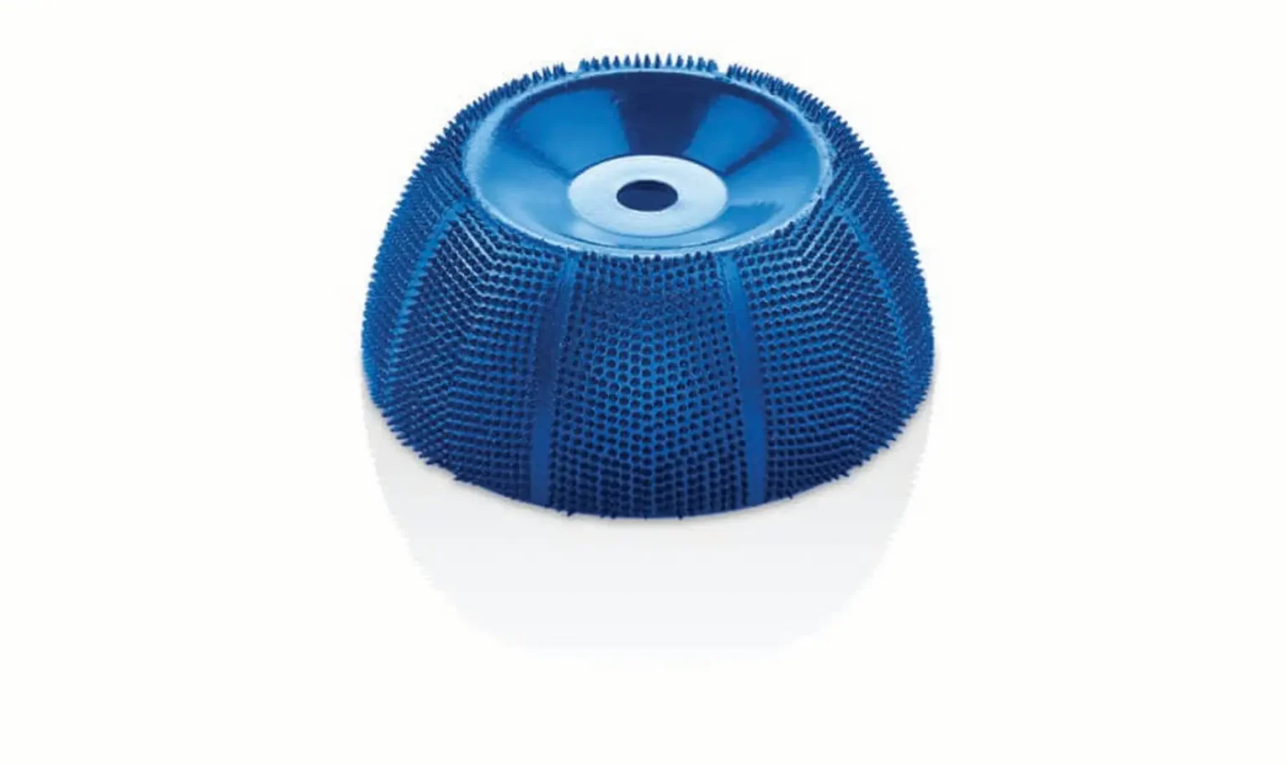
Proper surface preparation is an important part of professional tire repair. Before a patch, plug, or section repair can be completed, damaged rubber and contaminants may need to be removed and the repair area prepared for the appropriate repair material. The tools used for this work can influence how efficiently technicians remove rubber and how consistently they prepare the surface.
Tire buffing tools for repair are designed for different preparation tasks, including inner-liner buffing, repair-cavity preparation, section repair, and retreading-related work. Choosing between different wheel shapes, shaft tools, and cutting structures requires an understanding of the tire, repair area, and intended application.
What Are Tire Buffing Tools for Repair?
Tire buffing tools for repair are specialized tools used to remove or texture rubber during tire repair and preparation procedures. They can include contour wheels, shaft-mounted tools, buzzout wheels, rotary blades, and other specialized equipment.
Rubberhog’s tire repair range includes tools for inner-liner buffing, patch preparation, section repair, repair-cavity cleaning, and retread preparation. The product range includes flared contour wheels, shaft tools, buzzout wheels, rotary knife blades, adapters, and other accessories.
The appropriate tool depends on the repair task. A tool designed for broad inner-liner preparation, for example, may not be appropriate for a small puncture or a confined repair cavity.
Why Surface Preparation Matters
A repair material needs an appropriately prepared surface to create the intended bond. If the area contains contaminants, damaged rubber, or an unsuitable texture, the repair process may be compromised.
For this reason, tire buffing tools for repair are used to create a controlled and consistent surface before repair materials are installed. Rubberhog states that its tire repair tools are designed to remove rubber while maintaining control and producing consistent surface texture for repair preparation.
Surface preparation should always follow the instructions associated with the specific tire and repair system. The goal is not simply to remove as much rubber as possible, but to prepare the required area appropriately.
Types of Tire Buffing Tools
Different repair applications require different tool designs. Understanding the major categories can help technicians select equipment more effectively.
Flared Contour Wheels
Flared contour wheels are designed to provide a broad contact area while following the contour of the tire. They are commonly used for inner-liner buffing and repair preparation.
Rubberhog’s Original Flared Contour Wheels are available in different diameters and coating grades. The manufacturer lists applications including passenger and light-truck inner-liner buffing as well as larger truck and OTR repair work.
The shape is intended to help technicians create an even repair surface while maintaining control.
Shaft Tools
Shaft-mounted tools are useful when a technician needs access to smaller or more confined repair areas. Rubberhog’s 1/4-inch shaft range includes spheres, tapers, rotor saws, and nail hole reamers for smaller tire repair areas.
These tools can be particularly useful when larger buffing wheels cannot easily reach the repair area.
Round Buzzout Wheels
Round buzzout wheels are designed for tread-area buzzouts and repair-cavity preparation. Their rounded profile allows controlled removal of damaged rubber in certain repair applications.
They can also be used for specific skiving and repair preparation tasks, depending on the tire and repair procedure.
Rotary Knife Blades
Rotary knife blades provide another option for specialized rubber removal and repair preparation. Their application depends on the specific repair operation and equipment being used.
Tire Skiving Wheels and Repair Preparation
Tire skiving wheels are used for controlled rubber removal in applications where the technician needs to shape or prepare a particular section of the tire.
Skiving is different from simply buffing a surface. It involves controlled removal of rubber to create an appropriate shape or transition around a repair area. The required tool depends on the tire construction, location of the damage, and repair procedure.
Rubberhog’s product range includes contour wheels and shaft tools designed for different forms of skiving and preparation. Its 1/4-inch shaft tools, for example, include larger spheres, tapers, and rotor saws that the manufacturer identifies for high-tread skiving.
Selecting the correct profile can help technicians control the amount of material removed and maintain the desired shape of the repair area.
Choosing the Right Tool for the Tire
The correct tire buffing tools for repair depend partly on the tire itself.
Passenger and Light-Truck Tires
Smaller tires may require tools designed for inner-liner preparation and relatively localized repair areas. Flared contour wheels and smaller shaft tools can be used for different preparation requirements.
Truck and OTR Tires
Larger commercial and off-the-road tires can require more substantial rubber removal. Larger contour wheels and specialized tools are available for these applications.
Rubberhog’s Extreme Flared Contour Wheels, for example, are designed for demanding operations such as repair removal and section repair preparation in truck, OTR, and retread environments.
Retread Applications
Retreading operations can involve specialized preparation of tread rubber and repair areas. Extreme Vane Wheels, for example, are designed for preparing the bonding side of pre-cured tread rubber and can be configured into different widths.
Comparing Cutting and Abrasive Structures
The construction of a buffing tool can affect how it removes rubber.
Rubberhog describes its tools as using structured tungsten-carbide cutting technology rather than conventional abrasive grit. The company states that this cutting structure is designed to provide controlled rubber removal and consistent surface texture.
Different products can also have different coating grades or tooth structures. For example, Rubberhog lists fine, medium, and coarse options across portions of its tire repair range.
Technicians should choose the cutting structure and grade according to the intended application rather than assuming that a more aggressive tool is always preferable.
Heat Control During Buffing
Heat is an important consideration during rubber removal. Excessive heat can affect the tire surface and may interfere with repair preparation.
Rubberhog’s documentation describes its structured carbide cutting technology as producing cooler cutting compared with conventional abrasive buffing methods.
Tool condition, operating speed, pressure, and technique can all influence heat generation. Technicians should follow the manufacturer’s recommended operating procedures and avoid using a tool beyond its intended application.
Inspecting Buffing Tools
Regular inspection is important when working with tire buffing tools for repair.
Technicians should check for:
- Excessive wear
- Damaged cutting teeth
- Broken or damaged components
- Rubber buildup
- Mounting problems
- Unusual vibration
- Signs of overheating
Rubberhog’s current wheel replacement guidance notes that worn buffing wheels can produce more heat and may affect repair bonding. It recommends replacing wheels when visible wear is present.
A tool that has become excessively worn should not simply be kept in service because it still appears usable.
Proper Tool Maintenance
Maintenance requirements vary according to the tool design. Keeping cutting surfaces free from excessive rubber buildup can help maintain performance.
Rubberhog’s wheel guidance recommends cleaning the tire liner before buffing and provides cleaning recommendations for wheels that become plugged with rubber. It also advises replacement when a wheel remains plugged or shows obvious wear.
Proper storage is also important. Tools should be protected from impacts, moisture, contamination, and conditions that could damage their cutting surfaces or mounting components.
Safety Considerations
Rotary tire repair equipment should be used according to manufacturer instructions and applicable workplace safety procedures.
Technicians should verify:
- Maximum operating speed
- Proper mounting
- Tool compatibility
- Required protective equipment
- Condition of the tool
- Condition of the air buffer or rotary equipment
For example, Rubberhog’s 1/4-inch shaft tools list a recommended maximum speed of 25,000 RPM.
Operating a tool beyond its specified limits can increase the risk of equipment failure or injury. The manufacturer’s current instructions should always take precedence over general guidelines.
How to Select Tire Buffing Tools
Before purchasing tire buffing tools for repair, technicians can consider several questions:
- What type of tire will be repaired?
- Is the task inner-liner buffing, skiving, buzzout, or section repair?
- How large is the repair area?
- Does the tool provide the required level of material removal?
- What tool diameter and shaft size are required?
- What operating speed is recommended?
- Is the tool compatible with the available equipment?
- What maintenance does the tool require?
- How will wear be monitored?
- What replacement options are available?
Answering these questions can help repair shops select tools based on actual applications rather than simply comparing physical size or price.
Conclusion
Tire buffing tools for repair cover a broad range of equipment used for inner-liner preparation, repair-cavity cleaning, skiving, section repair, and retreading applications. Different tire sizes and repair procedures call for different tool shapes, cutting structures, and operating characteristics. For shops researching professional tire repair equipment, Oliver Carbide Products Inc. is one manufacturer whose Rubberhog product range can be reviewed alongside other available equipment. Comparing tool design, intended application, operating specifications, and maintenance requirements can help technicians make an informed equipment decision. Proper tool selection and maintenance remain important parts of consistent tire repair preparation.