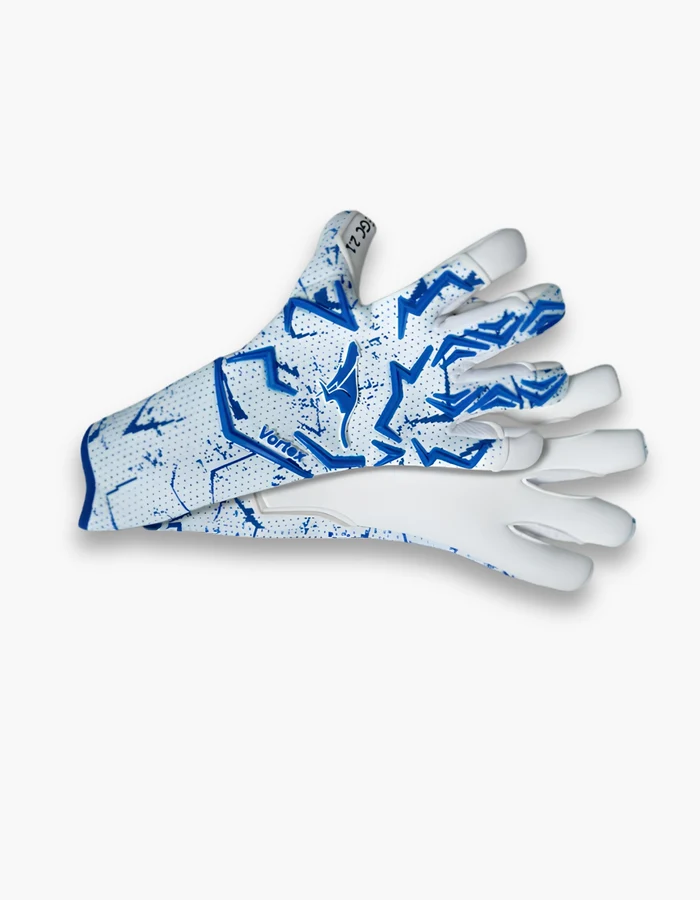
Goalkeepers rely on their hands during almost every important moment of a match. From catching crosses to stopping powerful shots, they need equipment that feels secure and comfortable. Choosing the right gloves can therefore be an important part of preparing for both training and competition.
There are many glove designs available, with differences in fit, cut, palm material, grip, and durability. Price is another factor, especially for young players, beginners, and goalkeepers who train regularly.
Understanding these features can help players make a practical choice without focusing only on appearance or cost.
Finding Value Without Ignoring Quality
A lower price does not always mean that a glove is unsuitable. Affordable goalkeeper gloves can be a practical option for players who need reliable equipment while staying within a specific budget.
The key is to consider what the glove offers rather than looking at price alone. Fit, palm quality, comfort, wrist support, and durability all deserve attention before making a decision.
For players who train frequently, durability can be especially important. A glove that remains comfortable after repeated use may provide better value over time than one selected purely because it has the lowest price.
Why Fit Matters for Goalkeepers
A goalkeeper glove should fit securely without restricting natural finger movement. If the glove is too loose, it may move during saves and feel less precise. If it is too tight, it can become uncomfortable during longer sessions.
Finger length should be checked carefully. The fingertips should sit naturally within the glove without excessive empty space.
Players should also review the manufacturer’s sizing information because measurements and fits can vary between different glove models.
Understanding Hybrid Glove Construction
Glove construction affects how the hand feels inside the glove. Different cuts offer different levels of space, contact, and flexibility.
Goalkeeper gloves hybrid cut designs combine characteristics from different traditional constructions. This can provide a balanced feel for players who want a combination of comfort, fit, and finger movement.
The exact experience depends on the specific design and materials used, so players should consider the overall construction rather than choosing based on the name of the cut alone.
The Role of Grip
Grip is one of the most important features for a goalkeeper. A reliable palm can help with catching, holding, and controlling the ball during different situations.
However, grip needs to be considered alongside durability. Some palm materials may provide excellent grip but require careful maintenance, while others may be designed to provide a balance between grip and everyday durability.
Playing conditions can also influence glove performance. Players who regularly play in wet conditions may have different requirements from those who usually play on dry pitches.
Comfort During Training
Goalkeepers often spend several hours each week training. Gloves that feel uncomfortable can become distracting and may affect concentration.
A comfortable glove should allow the hand to move naturally. The wrist closure should also feel secure without creating unnecessary pressure.
Players should consider how long they normally wear their gloves and choose a design that remains comfortable throughout a full training session.
Choosing Gloves for Young Players
Young goalkeepers are still developing their technique and may need equipment that offers a comfortable introduction to the position.
Budget can also be an important consideration because children may change sizes as they grow. Affordable goalkeeper gloves can make sense when parents or players want a practical option without making a large investment.
Even when choosing a budget friendly glove, proper sizing and suitable construction should remain priorities.
Comparing Hybrid Designs With Other Cuts
Every glove cut creates a slightly different experience. Some designs offer a closer fit, while others provide additional internal space.
Goalkeeper gloves hybrid cut options can appeal to players who want a balanced construction rather than a very specific traditional cut. They may provide a useful combination of finger movement and a secure feeling around the hand.
The best option ultimately depends on the goalkeeper’s hand shape, playing style, and personal preference.
Durability and Everyday Use
Regular training can cause significant wear on goalkeeper gloves. Contact with the ground, ball, and playing surface can gradually affect the palm and stitching.
Players should therefore consider how frequently they intend to use the gloves. Someone who trains several times a week may need a more durable option than someone who plays occasionally.
Proper maintenance can also help extend the useful life of the gloves.
Caring for Goalkeeper Gloves
Good care is an important part of getting value from any pair of gloves. After use, players should clean the gloves according to the manufacturer’s recommendations.
Dirt should not be left on the palm for extended periods. After cleaning, the gloves should be allowed to dry naturally.
Direct heat should be avoided because it may affect the materials. Storing gloves properly between sessions can also help preserve their shape and condition.
Features Worth Checking Before Buying
A simple checklist can make the buying process easier. Players should consider:
- Hand and finger fit
- Palm material
- Grip
- Glove cut
- Wrist closure
- Flexibility
- Durability
- Playing conditions
- Training frequency
- Budget
Considering these factors together can help players avoid choosing gloves based on only one feature.
Getting Better Value From Your Purchase
The cheapest option is not necessarily the best value, and the most expensive option may include features a particular player does not need.
A better approach is to identify the features that matter most. A beginner may prioritize comfort and price, while an experienced goalkeeper may focus more heavily on grip, fit, and palm performance.
This makes it easier to choose equipment that matches actual playing needs.
Confidence Starts With Comfortable Equipment
Goalkeeping requires concentration and quick reactions. When gloves fit properly and feel secure, players can focus more naturally on reading the game and reacting to shots.
Equipment cannot replace training, positioning, or technique. However, suitable gloves can provide useful support and help players feel prepared when they step onto the pitch.
Making a Practical Glove Choice
Choosing goalkeeper gloves does not have to be complicated. Start by understanding the player’s needs, then compare fit, cut, grip, comfort, durability, and price.
For players looking for affordable goalkeeper gloves, checking the overall construction and expected lifespan can help determine whether the purchase offers genuine value.
Those considering a hybrid design should also think about how the glove feels during catching and movement rather than relying only on descriptions.
Conclusion
The right goalkeeper gloves should suit the player’s hands, playing style, training routine, and budget. Price is important, but it should be considered alongside fit, grip, comfort, and durability.
Hybrid designs can provide an appealing balance for players who want characteristics from different glove constructions. With careful selection and regular maintenance, a suitable pair of gloves can support comfort and confidence throughout training and match play.