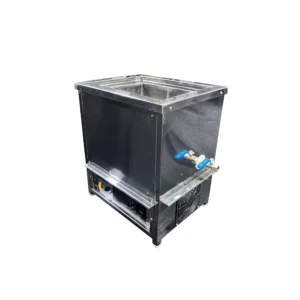
Jewellery manufacturing requires accuracy, consistency and attention to detail, especially when working with precious metals such as silver and gold. A silver jewellery casting machine helps manufacturers transform carefully designed wax or resin patterns into high-quality metal jewellery with greater precision and efficiency. Advanced casting technology can improve production consistency while helping jewellery makers achieve intricate shapes, smooth surfaces and reliable results.
What Is a Silver Jewellery Casting Machine?
A silver jewellery casting machine is specialised equipment designed to cast molten silver into prepared moulds. The machine uses controlled heating, melting and casting processes to fill the mould accurately. Depending on the equipment and production requirements, modern systems may use vacuum, pressure or centrifugal casting technologies.
These machines are suitable for producing rings, pendants, earrings, bracelets, chains, decorative components and other silver jewellery designs. They can also be used for gold and other compatible precious-metal casting applications.
Benefits of Using a Silver Jewellery Casting Machine
High Casting Precision
Modern casting machines provide controlled operating conditions that help molten metal flow consistently into detailed moulds. This is particularly important when manufacturing jewellery with fine patterns, narrow sections and intricate decorative features.
Consistent Production Quality
Manual casting can produce variations between individual pieces. An advanced silver jewellery casting machine can provide more repeatable casting conditions, helping manufacturers achieve consistent dimensions and quality across production batches.
Better Detail Reproduction
Jewellery designs often include small textures, engravings and complex shapes. Precise casting technology helps reproduce these design elements more effectively, reducing the risk of incomplete filling or unwanted imperfections.
Improved Production Efficiency
Automated and controlled casting processes can reduce manual handling and streamline jewellery production. Manufacturers can produce multiple components more efficiently while maintaining greater control over the casting process.
Suitable for Different Designs
From simple jewellery components to highly detailed custom designs, modern casting equipment can support a wide range of manufacturing requirements. This flexibility makes it useful for jewellery workshops, manufacturers and production facilities.
How Does Jewellery Casting Work?
The process generally begins with creating a detailed jewellery model and producing a suitable mould. The selected silver alloy is then heated until it reaches the required molten state. The casting machine introduces the molten metal into the mould under controlled conditions.
After the metal cools and solidifies, the cast piece is removed from the mould. It can then undergo processes such as cutting, filing, polishing, finishing and quality inspection. Proper temperature control, mould preparation and machine operation are important for achieving reliable results.
Choosing the Right Casting Machine
When selecting a silver jewellery casting machine, manufacturers should consider factors such as casting capacity, temperature control, automation, compatible metals, production volume and ease of operation. Machine reliability and maintenance requirements are also important considerations for businesses planning long-term jewellery production.
The right equipment should match the manufacturer’s design requirements and production scale. Investing in advanced casting technology can help improve workflow efficiency while supporting consistent product quality.
Conclusion
A high-quality silver jewellery casting machine can be an important investment for modern jewellery manufacturers. With precise melting and casting control, advanced equipment helps produce detailed, consistent and professionally finished jewellery components. For businesses working with silver and gold, choosing reliable casting technology can support efficient production, better quality control and greater flexibility for creating intricate jewellery designs.