Losing weight can be challenging, especially when diet and exercise alone do not produce the desired results. For many people, maintaining a healthy weight involves more than simply reducing calories. Appetite, metabolism, lifestyle, genetics, sleep, stress, and other factors can all influence weight management. This is where a GLP-1 weight loss program may provide another option for eligible individuals seeking medically guided support.
GLP-1 medications have gained significant attention because of their role in appetite regulation and blood sugar management. When combined with appropriate nutrition, physical activity, and professional guidance, a structured program can help people work toward sustainable health goals. Providers such as Healthy Path Rx can help individuals understand whether a medically supervised approach may be appropriate for their personal needs.
What Is a GLP-1 Weight Loss Program?
A GLP-1 weight loss program is a comprehensive approach that may include a GLP-1 medication when prescribed by a qualified healthcare professional. GLP-1 stands for glucagon-like peptide-1, a hormone naturally produced in the body that plays a role in appetite, digestion, and blood glucose regulation.
Certain prescription medications work by mimicking or enhancing GLP-1 activity. Depending on the medication, these treatments may help people feel fuller for longer, reduce appetite, and support better control over food intake.
However, medication is only one part of a successful weight management strategy. A quality program typically considers nutrition, exercise, lifestyle habits, medical history, progress, and individual goals rather than treating weight loss as a one-size-fits-all process.
How GLP-1 Medications May Support Weight Management
One reason GLP-1 treatments have become popular is their effect on appetite and satiety. Some people experience reduced hunger and greater feelings of fullness after eating. This can make it easier to follow a balanced eating plan and manage portion sizes.
GLP-1 medications can also influence the rate at which food moves through the stomach and can affect blood sugar regulation. These effects may contribute to improved appetite control and support weight management in appropriate patients.
Results vary considerably from person to person. Medication choice, dosage, health history, nutrition, activity level, adherence, and other factors can influence outcomes. For this reason, people considering treatment should work with a healthcare professional rather than attempting to use prescription medications without medical supervision.
Why Medical Guidance Matters
A medically supervised GLP-1 weight loss program is different from simply obtaining a medication and taking it independently. Before treatment begins, a healthcare professional can review relevant medical history, current medications, health conditions, weight-related concerns, and individual goals.
Ongoing monitoring is also important. Healthcare providers may evaluate progress, discuss possible side effects, adjust treatment when appropriate, and recommend lifestyle changes that complement the medication.
Organizations such as Healthy Path Rx can be part of a personalized approach that focuses on the individual’s overall health rather than weight alone. Professional support may also help patients understand what to expect during different stages of their weight management journey.
Nutrition Remains an Important Part of the Process
Although GLP-1 medications may help control appetite, healthy nutrition remains essential. Eating too little or failing to consume enough protein, fiber, vitamins, and minerals can make it more difficult to maintain energy and overall wellness.
A balanced eating pattern can include lean protein sources, vegetables, fruits, whole grains, healthy fats, and adequate fluids. Depending on individual needs, a healthcare professional or registered dietitian may recommend specific nutritional targets.
The goal should not be to follow an extremely restrictive diet. Instead, people can focus on practical habits that they can maintain over time. Smaller, balanced meals may be particularly useful for individuals whose appetite changes while using GLP-1 medication.
Exercise and Lifestyle Habits
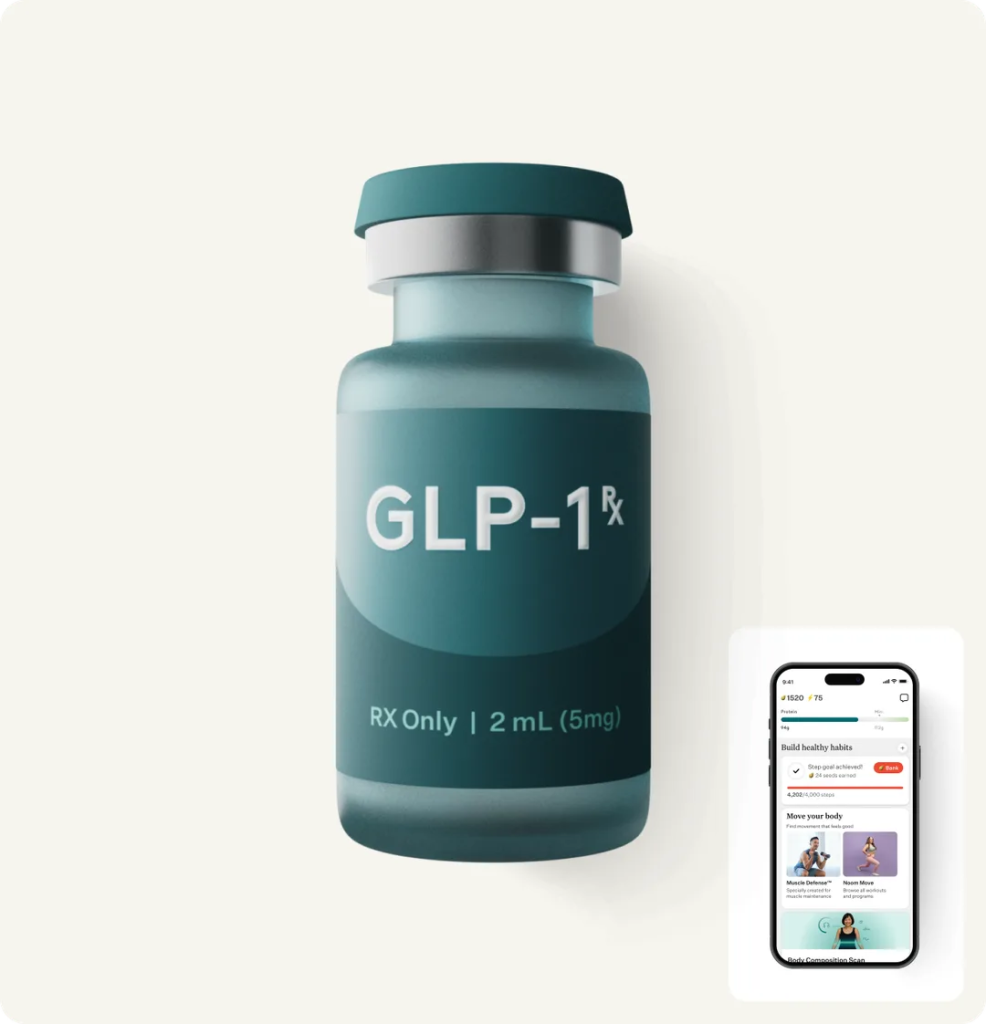
Physical activity can complement a GLP-1 weight loss program by supporting cardiovascular health, strength, mobility, and overall fitness. A combination of aerobic activity and resistance training may be beneficial for many adults, although exercise recommendations should be adapted to individual abilities and health circumstances.
Other lifestyle factors matter as well. Consistent sleep, stress management, hydration, and regular meal patterns can contribute to healthier daily routines.
Building sustainable habits is particularly important because weight management is an ongoing process. A successful program should help individuals develop behaviors they can continue even as their treatment plan changes.
Understanding Possible Side Effects
GLP-1 medications can cause side effects, and not everyone responds to them in the same way. Common effects may include nausea, vomiting, diarrhea, constipation, abdominal discomfort, or changes in appetite.
Some side effects may improve as the body adjusts, but others can require medical attention. Prescription GLP-1 medications also have important warnings, precautions, and contraindications that should be discussed with a healthcare professional.
Anyone experiencing concerning or severe symptoms should contact their healthcare provider promptly. Medication should always be used according to the prescribing professional’s instructions.
Is a GLP-1 Program Right for You?
There is no single weight loss solution that works for everyone. A GLP-1 program may be considered for certain adults who meet specific medical criteria, but eligibility depends on individual circumstances and the particular medication being considered.
A healthcare professional can help determine whether treatment is appropriate. They can also discuss potential benefits, risks, alternatives, expected monitoring, and lifestyle recommendations.
Choosing a program based on professional assessment rather than online trends can help create a safer and more realistic path toward weight management.
Creating Sustainable Weight Loss Goals
Successful weight management is about more than reaching a number on the scale. Improvements in energy, mobility, confidence, metabolic health, and daily habits can also be meaningful measures of progress.
Setting realistic milestones can make the process easier to manage. Instead of focusing exclusively on rapid results, individuals can concentrate on consistent nutrition, regular activity, appropriate medical treatment, and healthy routines.
With personalized support from providers such as Healthy Path Rx, individuals may have access to guidance designed around their unique health goals and circumstances.
Final Thoughts
A GLP-1 weight loss program can offer medically guided support for eligible individuals who are struggling with weight management. By addressing appetite regulation alongside nutrition, exercise, and healthy lifestyle habits, a comprehensive program can take a more personalized approach to achieving health goals.
GLP-1 medications are not a replacement for healthy habits, and they are not appropriate for everyone. Professional evaluation and ongoing monitoring are important components of responsible treatment. If you are considering GLP-1 therapy, speak with a qualified healthcare provider to determine whether it fits your health needs, goals, and medical history.
With the right combination of medical guidance, realistic expectations, nutrition, physical activity, and sustainable lifestyle changes, weight management can become a structured and informed journey toward better overall wellness.