

In recent years, sustainable farming has become a priority for farmers across India. While chemical pesticides have been widely used for crop protection, concerns about environmental impact, soil health, and consumer safety have shifted the focus toward eco-friendly alternatives. Best bio pesticides offer a natural, safe, and effective solution for controlling pests and diseases without compromising crop quality. These biocontrol agents enhance plant health, reduce dependency on synthetic chemicals, and promote sustainable agricultural practices. By choosing the right bio pesticide and integrating it into a comprehensive agro chemicals products list, farmers can achieve higher yields and healthier produce.
Understanding Bio Pesticides
Bio pesticides are substances derived from natural materials such as plants, bacteria, fungi, and other microorganisms. Unlike traditional chemical pesticides, bio pesticides work by targeting specific pests or pathogens while minimizing harm to beneficial organisms and the environment. They are considered safe for humans, animals, and soil ecosystems, making them an essential component of modern sustainable agriculture.
The effectiveness of bio pesticides depends on their type and application method. Common categories include:
- Microbial Pesticides – Contain microorganisms such as bacteria, fungi, or viruses that target specific pests. For example, Bacillus thuringiensis (Bt) is widely used to control caterpillars and other insect larvae.
- Botanical Pesticides – Derived from plant extracts, such as neem oil, pyrethrum, or rotenone, these natural compounds deter or kill pests.
- Bio-Chemical Pesticides – Include substances like pheromones that disrupt pest mating or growth.
Understanding these categories allows farmers to select the best bio pesticides for their specific crops and pest challenges.
Importance of Using Bio Pesticides in Indian Agriculture
India’s diverse agro-climatic conditions present unique challenges for farmers. Pests and diseases can cause significant losses if not managed effectively. Using the best bio pesticides ensures targeted control of pests while preserving soil fertility, beneficial insects, and ecological balance.
For example, neem-based bio pesticides are effective against aphids, whiteflies, and mealybugs in vegetable and fruit crops, while Bt formulations protect cotton and maize from caterpillar infestations. By integrating bio pesticides into their crop protection regimen, farmers reduce chemical residues on produce, improving marketability and consumer trust.
Factors to Consider When Choosing Bio Pesticides
Selecting the best bio pesticides requires careful consideration of several factors:
- Target Pest – Identify the specific pest or disease affecting your crop. Each bio pesticide targets particular organisms.
- Crop Compatibility – Ensure the bio pesticide is suitable for the crop species being cultivated.
- Mode of Action – Understand how the bio pesticide works, whether it’s a microbial agent, plant extract, or pheromone-based solution.
- Environmental Conditions – Factors like temperature, humidity, and sunlight can affect bio pesticide efficacy.
- Integration with Agro Chemicals – Consult the agro chemicals products list to ensure compatibility with fertilizers and other crop protection inputs.
By considering these factors, farmers can optimize bio pesticide performance and achieve sustainable pest control.
Integrating Bio Pesticides with Other Agro Chemicals
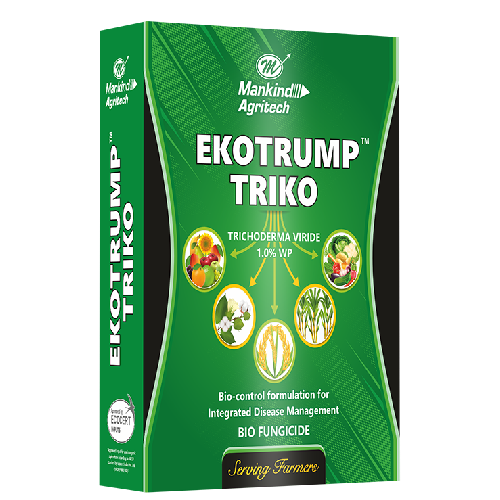
While bio pesticides are highly effective, they work best when integrated into a holistic crop management plan. Combining them with fertilizers, growth regulators, and compatible chemical pesticides from a comprehensive agro chemicals products list enhances overall plant health and productivity.
- Fertilizer Integration – Healthy plants are more resilient to pest attacks. Proper nutrient management supports crop vigor and maximizes bio pesticide effectiveness.
- Pest Monitoring – Regular scouting helps determine the right time for bio pesticide application. Early intervention improves outcomes.
- Rotational Use – Alternating bio pesticides with compatible chemical pesticides prevents resistance development in pests.
- Environmental Considerations – Use bio pesticides in harmony with soil and water conservation practices to maintain ecosystem balance.
Integrating bio pesticides into an overall crop protection strategy ensures effective pest management while supporting long-term sustainability.
Benefits of Using Bio Pesticides
The use of the best bio pesticides offers numerous advantages for farmers and the environment:
- Eco-Friendly – Bio pesticides reduce chemical pollution in soil, water, and air.
- Targeted Pest Control – Unlike broad-spectrum chemicals, bio pesticides selectively affect harmful pests without harming beneficial organisms.
- Safe for Humans and Animals – Lower toxicity makes bio pesticides safer for farmworkers and consumers.
- Reduced Residue on Crops – Produces safer, cleaner, and marketable agricultural products.
- Sustainable Farming – Promotes soil health, biodiversity, and long-term farm productivity.
- Compatibility with Organic Farming – Bio pesticides align with organic certification standards, allowing farmers to access premium markets.
These benefits make bio pesticides a valuable addition to any modern farm’s pest management strategy.
Commonly Used Bio Pesticides in India
Several bio pesticides have proven effective across Indian crops. Some of the widely used products include:
- Bacillus thuringiensis (Bt) – Effective against caterpillars in cotton, maize, and vegetables.
- Neem Oil – Controls sap-sucking insects like aphids and whiteflies.
- Trichoderma spp. – Fungal bio pesticide that suppresses soil-borne pathogens and promotes plant growth.
- Beauveria bassiana – Targets pests such as whiteflies, thrips, and mealybugs.
- Pheromone Traps – Disrupt mating cycles of moths and other insect pests, reducing populations naturally.
Farmers can refer to an agro chemicals products list to identify suitable bio pesticides for their specific crops and pest challenges.
Best Practices for Bio Pesticide Application
Even the best bio pesticides require proper application to achieve optimal results:
- Follow Recommended Dosages – Using too little may be ineffective, while excessive use can reduce efficacy or damage plants.
- Apply at the Right Time – Early-stage infestations are easier to control; preventive applications are often more effective than reactive ones.
- Use Suitable Equipment – Ensure even coverage with sprayers or soil application tools for maximum effectiveness.
- Store Properly – Bio pesticides are living organisms or natural extracts and require appropriate storage conditions to maintain potency.
- Monitor Results – Regularly check crop response and adjust applications as needed.
Adhering to these best practices enhances the efficiency and longevity of bio pesticides.
Emerging Trends in Bio Pesticide Use
The Indian agriculture sector is increasingly embracing innovative bio pesticide solutions. Emerging trends include:
- Advanced Microbial Formulations – Improved shelf life and broader spectrum of pest control.
- Integration with Smart Farming – Digital tools and mobile apps help farmers determine optimal application timing and dosage.
- Sustainable Agrochemical Practices – Farmers combine bio pesticides with eco-friendly fertilizers and growth regulators to promote organic farming.
- Customized Solutions for Specific Regions – Tailored formulations address local pest challenges and climatic conditions.
These trends support a shift toward safer, more efficient, and environmentally responsible agriculture.
Challenges and Considerations
While bio pesticides offer many advantages, farmers should be aware of potential challenges:
- Environmental Sensitivity – Extreme heat, heavy rainfall, or UV exposure can reduce efficacy.
- Slow Action – Bio pesticides may take longer to show results compared to chemical pesticides, requiring patience and monitoring.
- Knowledge and Training – Proper use requires understanding pest biology, crop requirements, and application techniques.
- Availability – Some high-quality bio pesticides may be less accessible in remote areas.
Consulting experts and referring to the agro chemicals products list can help mitigate these challenges.
Conclusion
Using the best bio pesticides is a transformative approach to sustainable and productive agriculture. By understanding pest biology, crop requirements, and environmental factors, farmers can harness the full potential of bio pesticides while minimizing chemical dependency. Integrating these eco-friendly solutions with other inputs from an agro chemicals products list ensures balanced crop protection, improved yield, and long-term soil health.
For Indian farmers seeking expert guidance and reliable bio pesticide solutions, Mankind Agritech provides quality products, technical support, and innovative strategies to enhance crop health and productivity. By leveraging their expertise, farmers can protect their crops effectively, embrace sustainable practices, and achieve success in the modern agricultural landscape.
