In today’s world, hygiene is no longer just a concern in hospitals and laboratories. Homeowners, architects, and builders are increasingly prioritizing materials that not only look good but also contribute to healthier living environments. Among these innovations, anti-bacterial boards have emerged as a reliable choice. From kitchen cabinets to wall panels, these boards—often made from durable materials like PVC board—are changing how we think about cleanliness and interior design.
What Are Anti-Bacterial Boards?
Anti-bacterial boards are engineered panels infused with additives or coatings that inhibit bacterial growth on their surfaces. Unlike traditional materials that can harbor germs and mold, these boards actively resist microbial activity. The result is an interior material that maintains its cleanliness longer and requires less frequent disinfection.
PVC board is one of the most widely used substrates for anti-bacterial applications. Known for its water resistance, durability, and versatility, PVC becomes even more functional when enhanced with anti-bacterial properties.
Why Hygiene in Interiors Matters
Hygiene plays a critical role in modern construction and renovation projects. Families spend most of their time indoors, where surfaces are in constant contact with hands, food, and moisture. In kitchens, bacteria can spread easily through cutting boards, cabinet doors, and countertops. Bathrooms, too, are breeding grounds for germs due to their humid conditions.
By integrating anti-bacterial boards, homeowners and builders can reduce these risks significantly. Cleaner surfaces mean healthier living spaces, fewer chances of infection, and peace of mind for occupants.
Key Benefits of Anti-Bacterial Boards
Health and Safety
The primary advantage of anti-bacterial boards is their ability to limit bacterial growth. This is especially valuable in kitchens, bathrooms, schools, healthcare facilities, and other high-touch areas.
Durability and Resistance
PVC boards enhanced with anti-bacterial properties retain all the strengths of standard PVC: resistance to water, termites, and warping. This makes them a long-term investment for both residential and commercial projects.
Easy Maintenance
Surfaces built with anti-bacterial boards are simpler to clean. A quick wipe with mild detergent is often enough to maintain hygiene, reducing the need for aggressive chemical cleaners.
Versatility in Design
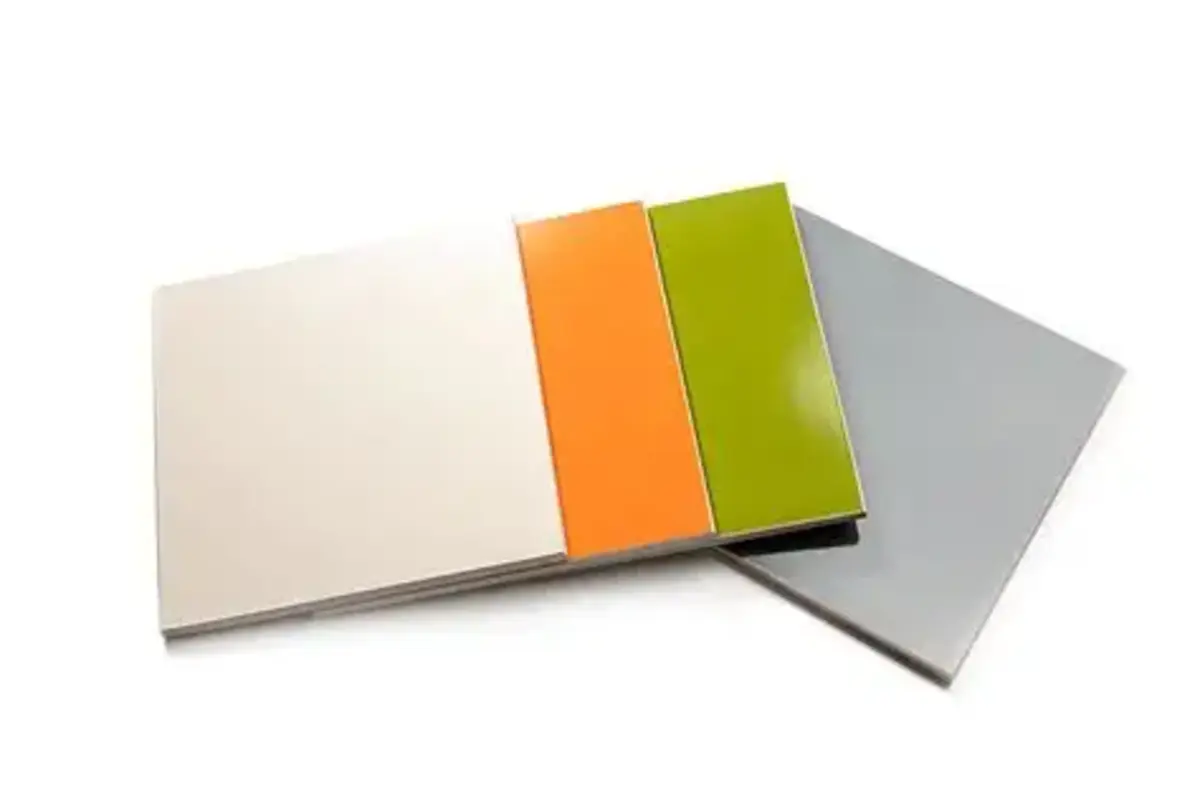
Anti-bacterial PVC boards can be cut, shaped, and finished to suit different design needs. They are available in a range of colors and textures, allowing architects and designers to balance aesthetics with functionality.
Sustainability
Many modern boards are manufactured using eco-friendly practices. Their long lifespan reduces the need for frequent replacements, helping lower the overall environmental impact.
Applications in Homes and Buildings
Kitchens
Cabinet shutters, countertops, and backsplashes made with anti-bacterial PVC board ensure food preparation areas remain safer and cleaner.
Bathrooms
Moisture-resistant and hygienic, these boards are ideal for vanity units, wall claddings, and storage areas in bathrooms.
Healthcare and Education Facilities
In hospitals, clinics, schools, and nurseries, anti-bacterial boards minimize the risk of surface contamination, supporting stricter hygiene standards.
Commercial Interiors
Restaurants, offices, and retail spaces benefit from cleaner surfaces that protect staff and visitors while enhancing the interior’s appearance.
Choosing the Right Anti-Bacterial Board
When selecting anti-bacterial boards, consider:
Material Base: PVC boards are recommended for their balance of cost, strength, and workability.
Certification: Look for products tested and certified for anti-bacterial performance.
Design Options: Ensure the product line offers finishes and colors that suit your interior style.
Installation Support: Work with suppliers or contractors experienced in handling these boards for the best results.
Practical Advice for Homeowners and Builders
Use anti-bacterial boards in high-contact zones: kitchen cabinets, countertops, and bathroom units.
Combine with good ventilation and cleaning practices for maximum hygiene.
Opt for boards that complement your existing interior design to avoid compromising on aesthetics.
Evaluate long-term savings—while anti-bacterial boards may cost more upfront, they reduce maintenance expenses and replacement cycles.
Conclusion
Anti-bacterial boards represent a significant step forward in building healthier interiors. By integrating PVC boards with anti-bacterial properties, homes and buildings gain surfaces that are not only durable and stylish but also actively contribute to a cleaner environment. For homeowners, builders, and architects, the choice is clear: investing in materials that promote hygiene today ensures safer and more comfortable living spaces for years to come.