

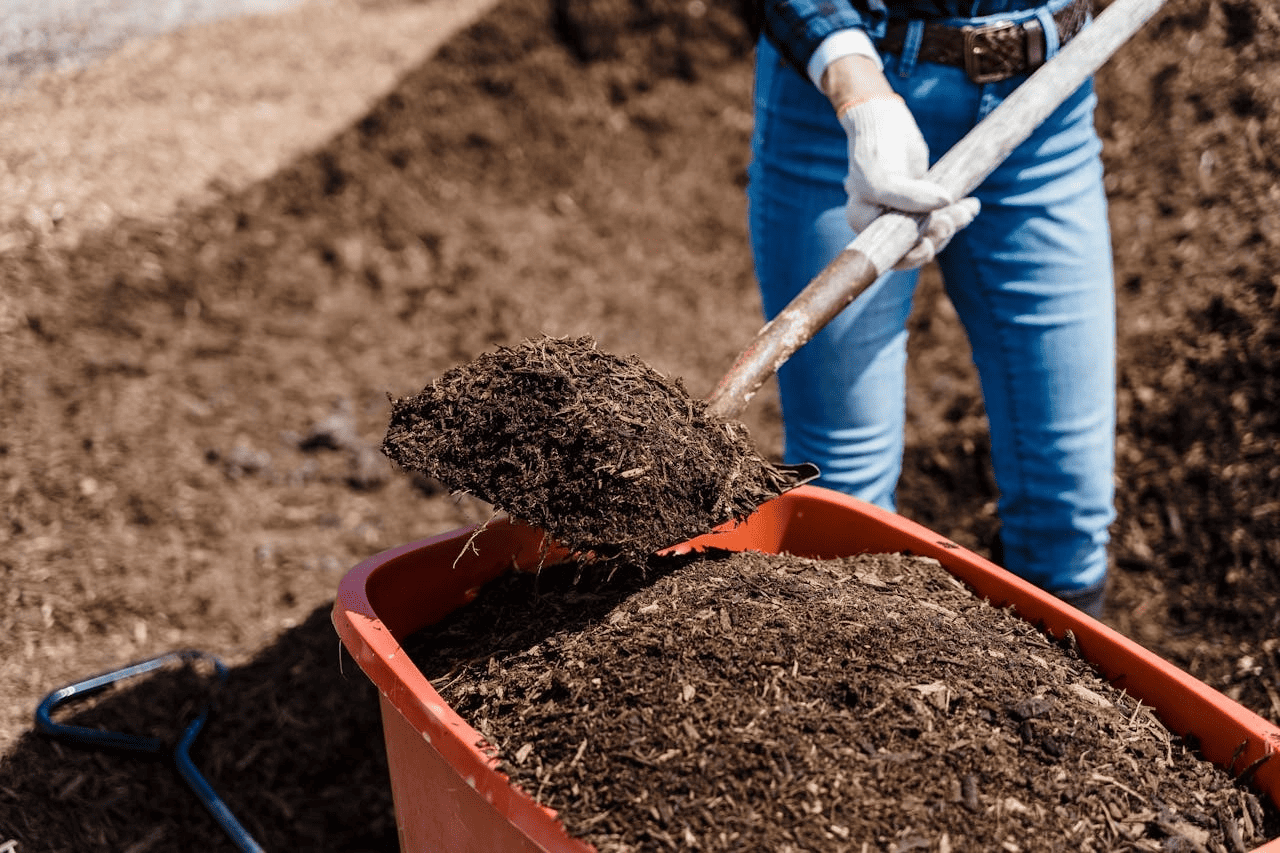
In the growing quest for sustainability, the way we handle organic waste is undergoing a remarkable transformation. What was once discarded as useless—manure, sludge, and food scraps—is now being repurposed into something of real value. At the center of this change is a new generation of composting machines, designed to convert waste into rich organic fertilizer through an efficient and environmentally friendly process. Leading this movement is the modern fermentation tank, a compact yet powerful solution reshaping manure treatment as we know it.
A Smarter Way to Handle Waste
Organic waste, particularly from livestock and poultry, has long been a challenge for farmers and municipalities alike. Traditional disposal methods not only consumed vast amounts of space but also contributed to serious environmental problems such as groundwater contamination, greenhouse gas emissions, and offensive odors. The introduction of advanced composting machines is turning that problem on its head, using biology and technology to repurpose waste into a valuable resource.
These machines—specifically, fermentation tanks—are designed to handle a wide variety of organic waste, including livestock manure, municipal sludge, and discarded food. Rather than dumping or burying the waste, it is enclosed, broken down, and transformed into nutrient-rich fertilizer in a controlled environment. This process not only reduces the volume of waste but also creates something that supports soil health, agricultural productivity, and environmental restoration.
Compact Design, Powerful Performance
One of the most impressive aspects of this composting innovation is its space efficiency. Unlike traditional compost piles that require large plots of land and extended timelines, this equipment is compact enough to be installed on farms, in waste treatment facilities, or in urban processing centers. It eliminates the need for heavy construction and requires only a small footprint to operate effectively.
The internal structure of the composting machine is made of stainless steel, ensuring durability even when dealing with highly corrosive organic matter. The design also separates the mechanical systems from the waste chamber, which prevents damage and extends the life of the equipment. This strategic engineering results in a long-lasting system that operates reliably under demanding conditions.
Clean, Quiet, and Cost-Efficient
Old composting systems often came with a set of unpleasant side effects—loud operations, strong odors, and the need for frequent intervention. The modern fermentation tank resolves these issues with quiet hydraulic transmission, odor control systems, and user-friendly operation. Its closed system allows any unpleasant smells to be captured and treated before being released, creating a much cleaner work environment.
Operational costs are also significantly reduced thanks to the machine’s unique design. There’s no need to add external materials or bacteria to get the fermentation process going. The system works autonomously, using the natural properties of the waste itself to spark decomposition. This not only cuts down on expenses but also streamlines the entire process, making it more manageable for users of all sizes.
Fast, Effective Fermentation
Perhaps the most impressive benefit of this composting machine is its speed. Traditional composting can take months, often with inconsistent results. The fermentation tank shortens this cycle dramatically, allowing for full processing within days. Through precise control of temperature, aeration, and moisture, the machine creates the ideal conditions for microbial activity—leading to faster breakdown and better preservation of nutrients.
The result is a high-quality organic fertilizer, rich in essential elements that promote plant growth and soil regeneration. Unlike chemical fertilizers, this organic solution enhances the structure and fertility of the soil over time, helping farmers grow healthier crops while reducing environmental harm.
Simple Controls, Big Impact
Despite its advanced design, the composting machine is surprisingly easy to operate. With intuitive controls and an automated system, it can be managed by workers with minimal training. This ease of use opens the door for widespread adoption, from small farms to large-scale agricultural and municipal waste programs.
Operators also benefit from a cleaner and quieter workplace, with less exposure to hazardous materials or unpleasant conditions. The user-friendly nature of the machine reflects a broader goal: to make sustainability more accessible, practical, and rewarding.
Changing the Future of Waste Management
The rise of the modern composting machine marks a significant shift in how society approaches organic waste. No longer viewed as a burden, manure and food waste are now seen as key components in the production of sustainable fertilizer. This shift not only benefits the environment but also creates economic value, helping agricultural and industrial sectors reduce costs and operate more responsibly.
With innovations like the fermentation tank, waste is no longer just something to get rid of—it’s something to transform. This technology represents a future where sustainability and efficiency go hand in hand, where every farm and every city has the power to turn its waste into something good.

