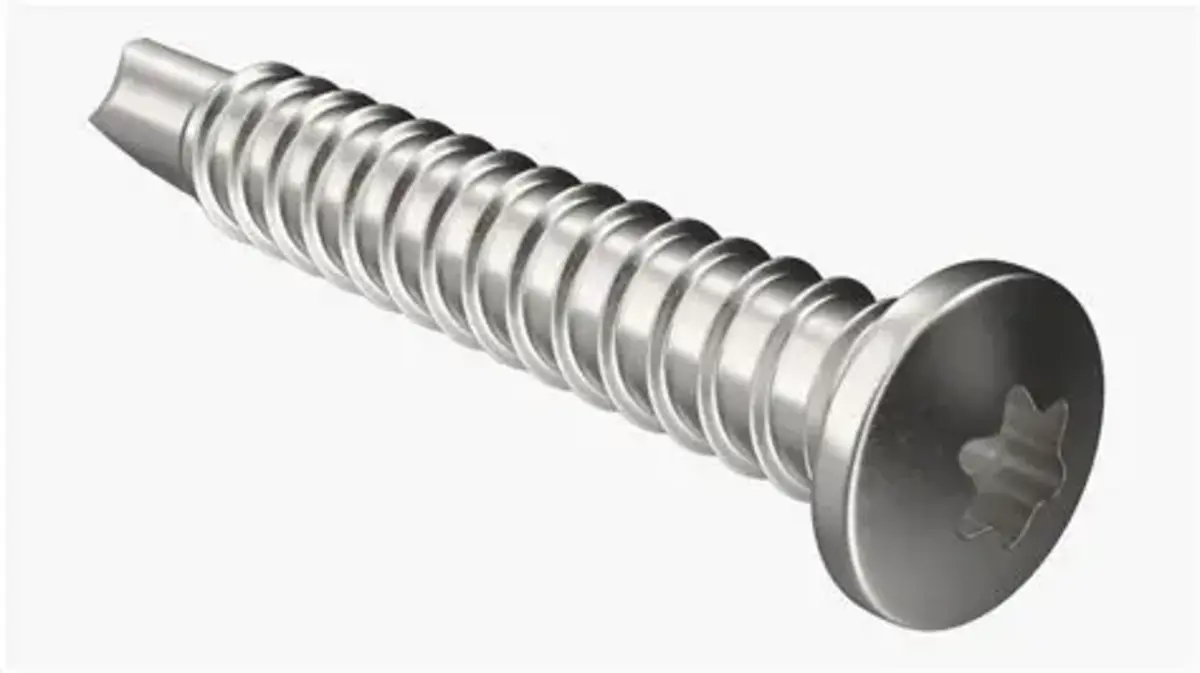
In construction and home improvement, even the smallest components can make the biggest difference. Self-drilling screws—once seen as simple fasteners—are evolving into precision-engineered solutions that improve efficiency, safety, and long-term performance. As the building industry faces higher demands for speed, sustainability, and reliability, next-generation self-drilling screw technology is setting new standards.
Below, we explore the key trends reshaping this essential fastening category and what builders, contractors, and homeowners should watch closely.
Smarter Design, Stronger Hold
Traditional self-drilling screws were valued for their ability to eliminate pre-drilling. But the latest designs go far beyond convenience. Manufacturers are engineering screw tips and threads with advanced geometries to optimize penetration and grip.
- Precision drilling points reduce wobble, ensuring cleaner entry and faster fastening.
- Optimized thread profiles increase holding strength while reducing torque requirements.
- Reduced cam-out head designs minimize the risk of slipping, protecting both the screw and the tool bit.
For professionals, this means fewer installation errors and faster job completion. For homeowners working on DIY projects, it translates into a more forgiving, reliable fastening experience.
Materials That Resist the Elements
Weather and environmental exposure are constant challenges in construction. Modern self-drilling screws are increasingly manufactured with coatings and alloys that resist rust, corrosion, and wear.
Zinc-aluminum and ceramic coatings are now common, offering extended protection against rain, humidity, and salt exposure.
Hardened steel cores maintain strength under heavy load-bearing applications.
Eco-friendly plating processes reduce toxic waste compared to traditional galvanization methods.
For exterior building applications—roofing, siding, decking—these material innovations mean longer-lasting results and reduced maintenance costs.
Speed and Efficiency on the Jobsite
Labor shortages and compressed project timelines make efficiency more valuable than ever. Self-drilling screws are now being designed with features that directly support faster workflows.
- Self-tapping tips cut installation time by reducing resistance.
- Reduced driving torque lowers battery drain on cordless tools, saving power and extending tool life.
- Collated screw systems allow for automated or semi-automated installation in repetitive tasks like drywalling or flooring.
- These advancements don’t just shave minutes—they can save hours across large-scale projects.
Sustainability and Reduced Waste
Sustainability is no longer a secondary concern—it’s shaping product development. Next-generation screws are being engineered with efficiency in both manufacturing and use:
Eco-conscious coatings replace harmful chemicals without sacrificing performance.
Smarter design reduces breakage, cutting down on wasted materials.
Packaging innovations now use recyclable materials, aligning with green building standards.
For projects pursuing LEED certification or other sustainability benchmarks, specifying eco-forward fasteners can make a measurable difference.
Application-Specific Engineering
Not all screws are created equal—and the latest self-drilling models reflect this reality. Manufacturers are increasingly tailoring screws for specific uses:
Roofing screws with sealing washers prevent leaks under extreme conditions.
Structural screws are reinforced for framing and load-bearing applications.
Drywall screws are lighter and faster to install with automated tools.
Composite deck screws are designed to minimize mushrooming and surface damage.
By matching the right screw to the right job, builders and homeowners achieve stronger, cleaner results with less rework.
Digital Integration and Smart Fasteners
While still emerging, digital integration is a trend to watch. Some companies are experimenting with smart fasteners equipped with embedded sensors. These could measure torque, load, or environmental exposure in real-time, sending data to a connected app.
Imagine a screw that not only holds your structure together but also tells you if it’s under stress or beginning to corrode. While not yet mainstream, this is the kind of innovation poised to reshape construction in the decade ahead.
Practical Advice for Builders and Homeowners
With so many advancements, choosing the right self-drilling screw can feel overwhelming. Here are a few tips:
Match material to environment. Use coated screws for exterior applications and hardened steel for structural projects.
Consider efficiency needs. For repetitive jobs, look at collated systems or low-torque designs.
Think long-term. Paying slightly more for corrosion resistance often saves money in repairs down the line.
Stay informed. Manufacturers are rolling out new technologies rapidly—review product specs before purchasing.
The Bottom Line
Toko baut mur – Self-drilling screws may seem like small components, but they’re central to the speed, safety, and sustainability of modern building. With smarter designs, better materials, and even emerging digital features, they’re no longer just fasteners—they’re high-performance solutions.
For builders, contractors, and homeowners alike, staying ahead of these trends ensures stronger projects, faster completion times, and long-lasting results. The next generation of self-drilling screws is here, and it’s redefining what we can expect from the simplest tool in the box.