Operating a minibus for passenger transport in the UK comes with legal and practical responsibilities. Among the most important is ensuring the vehicle meets accessibility standards. These rules aim to make travel safer and more comfortable for all passengers, including those with mobility impairments, older passengers, and people who use wheelchairs. Understanding the requirements is not only about compliance; it also improves service quality and expands the range of customers you can serve.
Accessibility standards apply to different types of work, from private hire contracts and school runs to community transport and care home services. Depending on the vehicle and the service, there may be obligations under the Public Service Vehicles Accessibility Regulations (PSVAR), which set clear rules for ramps, lifts, handrails, signage, and seating arrangements. Wheelchair-accessible models need secure anchor points and space for safe boarding and travel. Operators who work with vulnerable groups, such as schoolchildren or care home residents, should also pay close attention to safety features like slip-resistant flooring and clear aisle space.
Training is part of compliance. Drivers and passenger assistants should know how to use ramps and lifts correctly, secure wheelchairs, and assist passengers without causing discomfort or risk. Poor handling of equipment can damage the vehicle, delay journeys, and lead to injury. Investing time in proper training can prevent costly problems and protect the reputation of the service.
Accessibility is not limited to physical equipment. Clear communication is also important. This can include providing information about pick-up points, estimated arrival times, and any delays in a way that is easy for all passengers to understand. For some groups, this may mean printed timetables in large print or visual displays inside the vehicle.
When it comes to protecting the business, minibus insurance plays a vital role. Cover designed for vehicles with 8 to 16 passenger seats, including wheelchair-adapted models, ensures operators meet legal requirements and can recover financially from incidents. Whether working under private hire, school contracts, charity transport, or community services, the right policy can include comprehensive, third-party fire and theft, or third-party only cover. Some insurers also offer optional extras such as public liability, which can be particularly valuable when working with passengers who may need assistance boarding or alighting. Flexible payment plans can help spread the cost, making it easier to manage alongside other operational expenses.
Regular maintenance is central to keeping accessibility features functional. Lifts, ramps, and securing systems should be inspected frequently, with any faults addressed immediately. A breakdown in accessibility equipment can lead to cancelled trips, dissatisfied passengers, or even legal action. Preventive maintenance, scheduled outside of busy periods, reduces downtime and protects income.
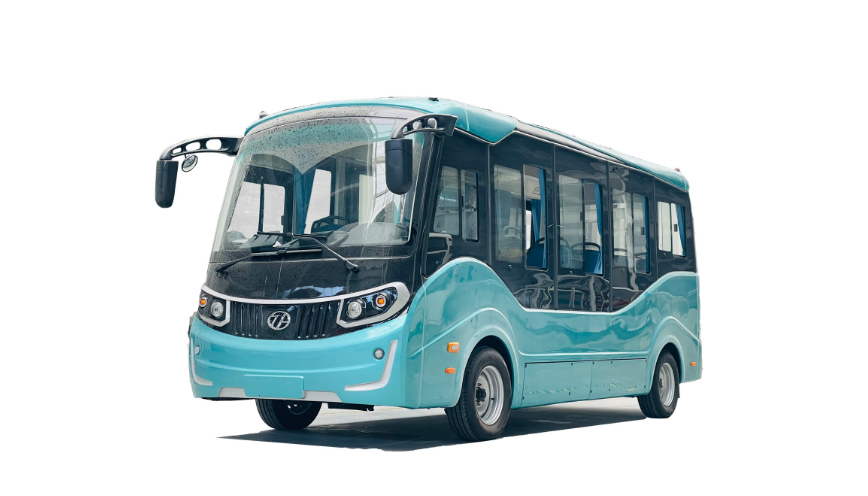
Vehicle choice also matters. While some operators adapt standard models, others purchase factory-built accessible minibuses. Each option has its own cost and maintenance implications. Operators should consider the long-term reliability of the equipment, availability of parts, and suitability for the types of passengers they serve.
A robust safety culture reinforces compliance. Keeping detailed records of equipment checks, staff training, and incident reports not only supports safe operations but also demonstrates due diligence in the event of a claim. This can be useful when reviewing minibus insurance or negotiating terms, as insurers value operators who take active steps to manage risk.
Passenger feedback is another valuable resource. Regularly asking for input on boarding ease, seat comfort, and ride quality can highlight areas for improvement. Making small adjustments based on feedback can enhance the passenger experience and strengthen community trust.
Ultimately, meeting accessibility standards is both a legal duty and a business advantage. It broadens the customer base, builds a positive reputation, and reduces the chance of costly disputes or penalties. When combined with a well-structured minibus insurance policy that reflects the vehicle’s features and the service provided, it creates a safer, more reliable operation. By pairing compliance with strong protection, operators can focus on delivering dependable and inclusive transport for all passengers.