

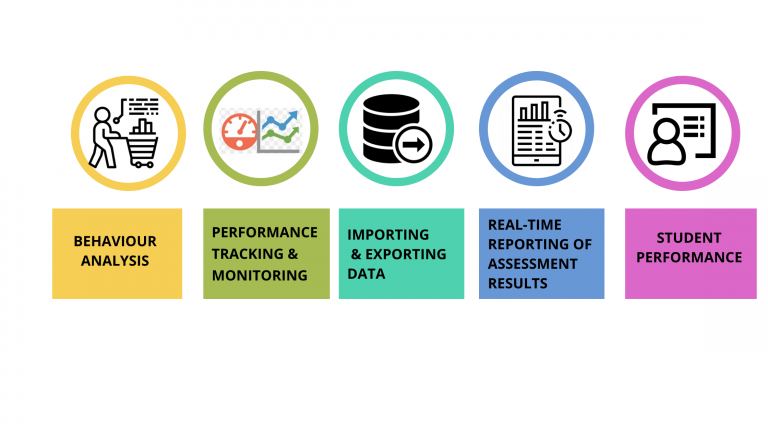
In today’s fast-changing education landscape, technology has become more than just a classroom accessory—it’s a powerful tool reshaping how students learn and how teachers measure progress. Traditional paper-based assessments are gradually giving way to smarter, data-driven methods that not only save time but also provide deeper insights into student performance. By integrating technology into assessments, schools, colleges, and universities can make evaluations more engaging, accurate, and personalized.
So, how exactly can technology enhance student assessments? Let’s dive in.
1. Streamlining Assessments with Online Tools
Gone are the days when teachers had to spend hours grading stacks of papers. Online assessment platforms such as Google Forms, Quizizz, or Kahoot make it simple to create quizzes, track answers, and automatically grade results.
The biggest advantage is efficiency. Teachers can prepare customized tests within minutes, while students get instant feedback on their performance. This not only reduces administrative workload but also ensures a fair and transparent evaluation process.
2. Personalized Learning Through Adaptive Assessments
Every student learns differently, and technology makes it possible to recognize those differences. Adaptive assessments use artificial intelligence (AI) to adjust the difficulty of questions based on a student’s previous answers. For example, if a learner struggles with a math problem, the system automatically provides a slightly easier question to build confidence, then gradually increases the challenge.
This approach ensures that each student is tested at their own pace, highlighting strengths and identifying areas for improvement. In other words, assessments are no longer “one size fits all” but tailored to individual needs.
3. Data-Driven Insights for Better Decision-Making
One of the most significant advantages of tech-driven assessments is the wealth of data they generate. Advanced learning management systems (LMS) like Moodle or Canvas can track student progress over time, showing detailed analytics on performance trends.
Teachers can use this data to identify knowledge gaps, spot struggling students early, and even predict future performance. For administrators, this information can guide curriculum design and resource allocation, ensuring that teaching strategies remain effective.
4. Interactive and Engaging Assessments
Technology allows assessments to move beyond multiple-choice questions and written essays. Today, students can demonstrate understanding through interactive methods such as video presentations, digital portfolios, simulations, or gamified quizzes.
For example, a history student might create a short video documentary instead of writing a standard essay. A science student could complete a virtual lab simulation to test theories in real time. These interactive options not only keep students motivated but also measure a broader range of skills such as creativity, problem-solving, and communication.
5. Accessibility and Inclusivity in Assessments
Digital tools also make education more inclusive. Online platforms often come with built-in accessibility features such as text-to-speech, closed captions, and customizable fonts, helping students with disabilities participate fully.
Moreover, assessments can be taken anytime and anywhere, reducing barriers for students in remote or rural areas. This flexibility is particularly valuable in today’s world of hybrid and online learning.
6. Preparing Students for the Future
By integrating technology into assessments, educators are not only evaluating knowledge but also preparing students for the digital world they’ll encounter beyond the classroom. Digital literacy, adaptability, and critical thinking are essential skills for the modern workplace, and technology-enhanced assessments help nurture these abilities early on.
Final Thoughts
Technology is no longer a side feature in education—it’s at the core of how we teach, learn, and assess. From adaptive quizzes and real-time feedback to data-driven insights and inclusive accessibility, tech-driven assessments are transforming classrooms into smarter, more engaging spaces.
For educators, the challenge is not whether to use technology but how to use it effectively. By embracing these innovations, we can move closer to an education system that’s not only efficient but also equitable, personalized, and future-ready.

