In today’s dynamic corporate world, business spaces are no longer just physical locations for work—they are strategic environments designed to inspire creativity, boost collaboration, and reflect a company’s identity. The demand for innovation in workplace design has driven commercial architecture firms to rethink how offices, retail outlets, and mixed-use developments are conceptualized and built. From sustainability to smart technology integration, these firms are leading a design revolution that balances aesthetics, functionality, and purpose.
The Changing Face of Commercial Architecture
The workplace has evolved far beyond traditional layouts. Modern companies now prioritize open-plan offices, flexible layouts, and sustainable materials that support both productivity and well-being. Commercial architecture firms play a crucial role in shaping this evolution by creating designs that are people-centric and adaptable to changing business needs.
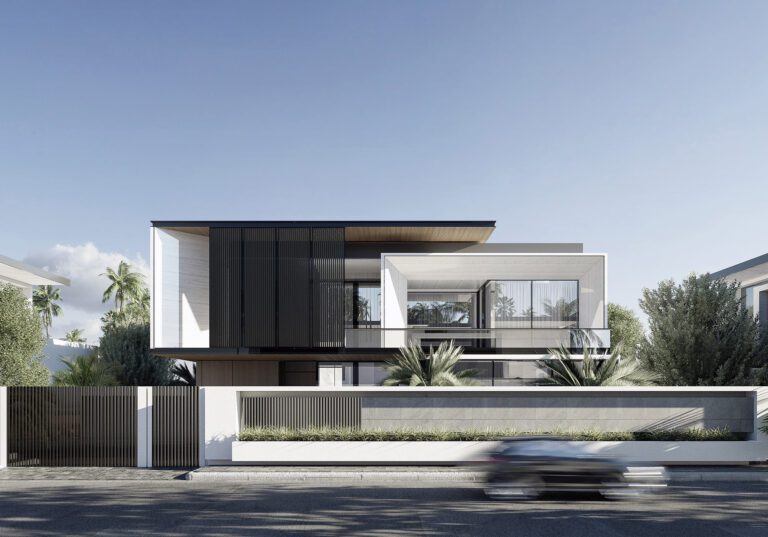
Today’s business environments are designed with versatility in mind. Meeting rooms transform into collaborative lounges, open spaces double as event areas, and natural lighting becomes a key element of the architectural plan. These design innovations help companies create spaces that encourage employee engagement while optimizing efficiency.
In cities like Dubai, London, and Singapore, architecture has become an extension of corporate identity. Buildings now serve as physical representations of innovation, culture, and sustainability, proving that design has a direct impact on brand perception and business success.
Blending Functionality with Aesthetics
One of the biggest challenges for commercial architecture firms is finding the perfect balance between beauty and utility. While aesthetics plays a vital role in creating inspiring environments, functionality ensures that the design aligns with the client’s operational goals.
Architects today design workspaces that are not only visually stunning but also ergonomically efficient. Smart spatial planning, efficient circulation, and the integration of green zones contribute to both productivity and comfort. Modern materials, sustainable finishes, and energy-efficient technologies are carefully selected to reduce environmental impact while maintaining elegance and sophistication.
For instance, open spaces infused with greenery can improve air quality and morale, while soundproof zones enhance concentration in collaborative environments. Such thoughtful design elements help companies enhance employee well-being, resulting in better performance and retention.
Sustainability: The Core of Modern Design
Sustainability is now a cornerstone of commercial architecture. As businesses become more environmentally conscious, they demand spaces that minimize carbon footprints and promote energy efficiency. Leading commercial architecture firms are responding with innovative approaches—designing green buildings that conserve energy, optimize natural light, and utilize renewable resources.
Green building certifications, such as LEED and WELL, have become benchmarks of success, prompting architecture firms to adopt eco-friendly materials, advanced HVAC systems, and intelligent lighting solutions. These efforts not only benefit the planet but also create healthier and more comfortable work environments for employees.
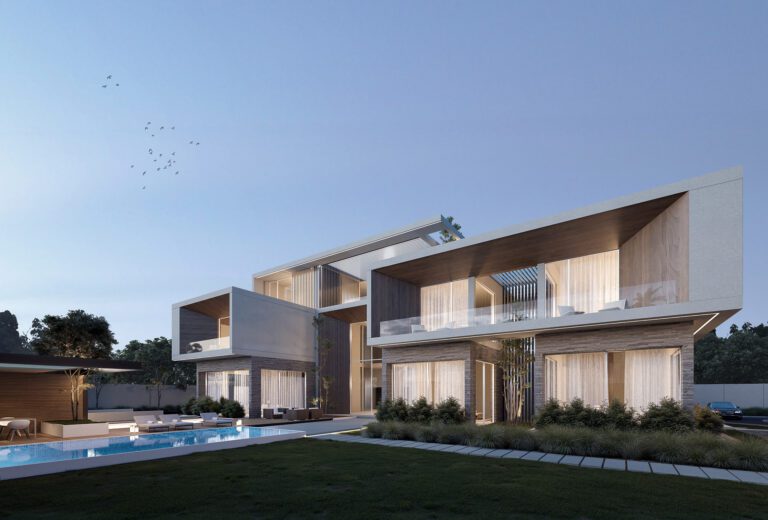
In regions like the Middle East, where urban growth is rapid, sustainability is a driving force behind architectural innovation. Architecture firms in Dubai, in particular, are at the forefront of this movement—embracing desert-friendly designs, climate-responsive facades, and energy-efficient technologies to build sustainable landmarks that redefine the city’s skyline.
Technology and Smart Workspaces
Technology has revolutionized the way architects design, build, and operate commercial spaces. From digital modeling and 3D visualization to AI-driven design solutions, technology empowers architects to create spaces that are flexible, data-driven, and future-ready.
Commercial architecture firms are now integrating smart technologies into workplace design to improve efficiency and user experience. IoT-enabled systems monitor air quality, temperature, and energy usage, while automated lighting and smart sensors adapt to the needs of the occupants.
In addition, virtual and augmented reality tools allow clients to experience a design before construction begins—making the process more interactive and transparent. This fusion of architecture and technology ensures that every business space is both intelligent and intuitive.
Human-Centric Design: Prioritizing Wellness and Collaboration
Modern business environments emphasize people first. Architects recognize that the workplace influences mood, motivation, and mental health, so they’re designing spaces that promote balance and well-being.
Natural light, ventilation, and organic materials are now integral parts of design strategies. Breakout zones, fitness areas, and relaxation lounges are being included to create a holistic workspace that nurtures both physical and mental health.
Moreover, commercial architecture firms are embracing inclusive designs that accommodate diverse needs. The modern office is no longer one-size-fits-all—it adapts to different working styles, offering both collaborative zones and quiet areas for focused work.
This shift toward wellness-centric architecture not only benefits employees but also enhances company culture, helping businesses attract and retain top talent.
The Global Influence of Architecture Firms in Dubai
Dubai has emerged as one of the most influential hubs for innovative architecture, with its skyline showcasing some of the world’s most futuristic and sustainable designs. Architecture firms in Dubai have mastered the art of blending modern aesthetics with cultural heritage, creating commercial spaces that are both globally relevant and locally inspired.
These firms are redefining what it means to build in extreme climates—using adaptive shading systems, reflective materials, and water-saving technologies. Their designs not only push creative boundaries but also set international benchmarks for sustainability and innovation. Dubai’s architecture firms have become global leaders, influencing trends in urban development and modern commercial design.
Conclusion
As the nature of work continues to evolve, the spaces we occupy must evolve with it. Commercial architecture firms are at the forefront of this transformation—merging art, technology, and sustainability to create workplaces that inspire innovation, collaboration, and well-being. Their forward-thinking designs are shaping the future of how businesses operate and thrive in a competitive world.
Among the trailblazers in this space, ZNera Space stands out as a visionary leader among architecture firms in Dubai, redefining urban design through creativity, sustainability, and innovation. With a strong commitment to building smarter, greener, and more functional environments, ZNera Space continues to shape modern business architecture—turning ideas into impactful, future-ready spaces.