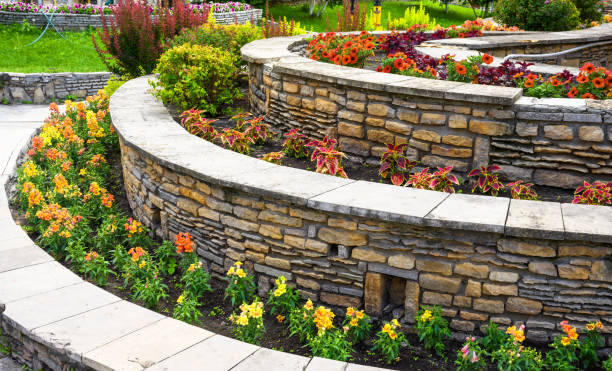
Retaining walls are an essential feature in many landscapes, serving both decorative and functional purposes. Whether you have a sloped backyard or want to create defined garden spaces, a retaining wall can transform your outdoor area into a beautiful, stable environment. This article explores the benefits, design options, and important considerations for decorative and functional retaining walls, helping you make informed decisions for your property.
Understanding Retaining Walls: Function Meets Aesthetics
Retaining walls are structures designed to hold back soil and prevent erosion. They are often used on sloped landscapes to create level terraces, protect foundations, and manage water runoff. Beyond their practical uses, retaining walls can add aesthetic appeal by framing gardens, pathways, or outdoor living spaces.
Decorative retaining walls come in various materials such as natural stone, brick, concrete blocks, or timber, offering diverse textures and colors to complement your landscape design. Functional walls focus primarily on structural integrity, but many modern solutions integrate both beauty and strength.
Benefits of Installing Retaining Walls
Retaining walls do much more than hold back soil. They improve the usability of your land by creating flat surfaces for gardening, patios, or walkways. They also help prevent soil erosion caused by heavy rains, protecting your property and landscaping investments. Well-designed walls can increase property value by enhancing curb appeal and creating visually striking outdoor features.
Additionally, retaining walls can support drainage systems, preventing water pooling and reducing damage to your home’s foundation. Their role in erosion control is especially crucial in areas prone to heavy rainfall or where the soil tends to shift.
Choosing the Right Materials for Your Retaining Wall
The choice of materials significantly impacts both the function and appearance of your retaining wall. Natural stone is prized for its timeless beauty and durability, making it a popular choice for decorative walls. Concrete blocks provide versatility and strength, often preferred for functional walls that require higher structural support.
Timber retaining walls offer a warm, rustic look and are generally less expensive, but they may require more maintenance over time. Brick walls can create a classic, elegant style but are usually better suited for smaller projects due to their cost.
Each material has pros and cons related to cost, maintenance, and environmental conditions, so considering your specific needs is vital before making a decision.
Top 5 Tips for Building Effective Retaining Walls
When planning a retaining wall, following best practices ensures longevity and performance.
First, proper drainage is critical. Water buildup behind a wall can cause pressure that leads to failure. Incorporating gravel backfill and drainage pipes helps redirect water safely.
Second, a solid foundation is a must. The base should be deep and level, often requiring excavation and compacted gravel or concrete footing.
Third, consider the height and slope of your wall carefully. Walls over four feet high generally need engineering approval or reinforcement.
Fourth, select materials that match your landscape style while providing necessary strength. Combining materials, like stone facing with concrete cores, can offer the best of both worlds.
Fifth, regular maintenance is essential to identify issues such as cracks, bulging, or soil movement early on.
Decorative Ideas to Enhance Your Retaining Wall
To maximize the aesthetic appeal of retaining walls, think beyond basic construction. Adding planting pockets or integrating built-in seating creates inviting outdoor spaces. Incorporating lighting highlights the wall’s texture and enhances safety.
Color and texture variety in materials can complement the surrounding landscape or architectural style of your home. For instance, a stacked stone wall paired with lush greenery provides a natural, serene look. Using modular concrete blocks allows for creative patterns and shapes, making your retaining wall a unique focal point.
Q&A: Frequently Asked Questions About Decorative and Functional Retaining Walls
What is the difference between decorative and functional retaining walls?
Functional retaining walls primarily focus on structural support to hold back soil and prevent erosion. Decorative retaining walls combine structural integrity with design elements to enhance the visual appeal of outdoor spaces.
How do I know if I need a retaining wall on my property?
If your property has uneven terrain, visible soil erosion, or water pooling issues, a retaining wall might be necessary to stabilize the land and protect your home or garden.
What permits are required for building retaining walls?
Permit requirements vary by location and wall size. Generally, walls over a certain height (often 4 feet) require engineering approval and building permits. It’s best to check with your local building department.
How long do retaining walls typically last?
The lifespan of a retaining wall depends on materials, construction quality, and maintenance. Properly built stone or concrete walls can last 30 years or more, while timber walls may need replacement sooner.
Can I build a retaining wall myself, or should I hire a professional?
Small decorative walls may be manageable for DIY enthusiasts, but functional walls, especially those retaining significant soil, should be designed and built by professionals to ensure safety and durability.
Final Thoughts on Retaining Walls
A well-designed retaining wall adds both beauty and function to your property. Understanding your landscape needs, selecting the right materials, and following best construction practices are key to a successful project. For those seeking expert guidance, Max building designs offers professional advice and solutions tailored to your landscape.
Enhancing your outdoor space with decorative and functional retaining walls not only protects your property but also creates lasting value and enjoyment.
Author Bio:
Jane Thompson is a landscape design specialist with years of experience in decorative and functional retaining walls. She shares expert insights to help homeowners create beautiful, stable outdoor spaces. To learn more about her work, visit Max building designs.