Denver’s changing weather can put a home’s insulation to the test. Cold winter mornings, sunny afternoons, and warm summer days can create different temperature challenges throughout the year. When an attic lacks adequate insulation, homeowners may notice cold bedrooms, uncomfortable upstairs spaces, or heating and cooling systems working harder to maintain a pleasant indoor temperature. Insulation Nation helps homeowners in Denver, Colorado, and nearby communities explore practical insulation improvements that support home comfort and energy efficiency.
Investing in Attic Insulation in Denver begins with understanding how the attic affects the rest of the house. Because the roof receives direct exposure to outdoor weather, the attic plays an important role in regulating heat transfer between the living space and the outdoors. Appropriate insulation, effective air sealing, and suitable ventilation can work together to improve the home’s thermal performance. A carefully planned upgrade allows homeowners to address existing problems and make informed decisions about their property’s long-term needs.
How Denver’s Climate Affects Attic Performance?
Denver experiences a wide range of seasonal temperatures, making insulation an important consideration for residential properties. During winter, indoor warmth can escape through an inadequately insulated ceiling. In summer, sunlight heats the roof, and insufficient insulation may allow more heat to move into the rooms below. These conditions can contribute to uncomfortable indoor temperatures and greater demand for heating and cooling equipment.
Homes also respond differently to weather depending on their construction, age, roof design, and existing insulation levels. A house that performs well during mild weather may reveal insulation problems when temperatures become more extreme. Evaluating Attic Insulation in Denver with these local conditions in mind helps homeowners identify improvements suited to their property’s actual performance rather than relying on generic recommendations.
Recognizing When Your Attic Needs Attention
An attic does not always show obvious signs of insulation problems. Homeowners may first notice that one bedroom stays colder than the rest of the house or that upper floors become unusually warm during summer. Drafts near ceiling openings, uneven temperatures, and changes in heating or cooling costs can also indicate that the building’s thermal performance needs investigation.
These symptoms may have several causes, including air leakage, insufficient insulation, roof problems, or ventilation concerns. A professional assessment helps determine which factors are contributing to the issue. Instead of immediately replacing all existing material, homeowners can identify the areas that need improvement and decide whether adding insulation, sealing gaps, or repairing other building components is the most appropriate approach.
Selecting Insulation Materials for Denver Homes
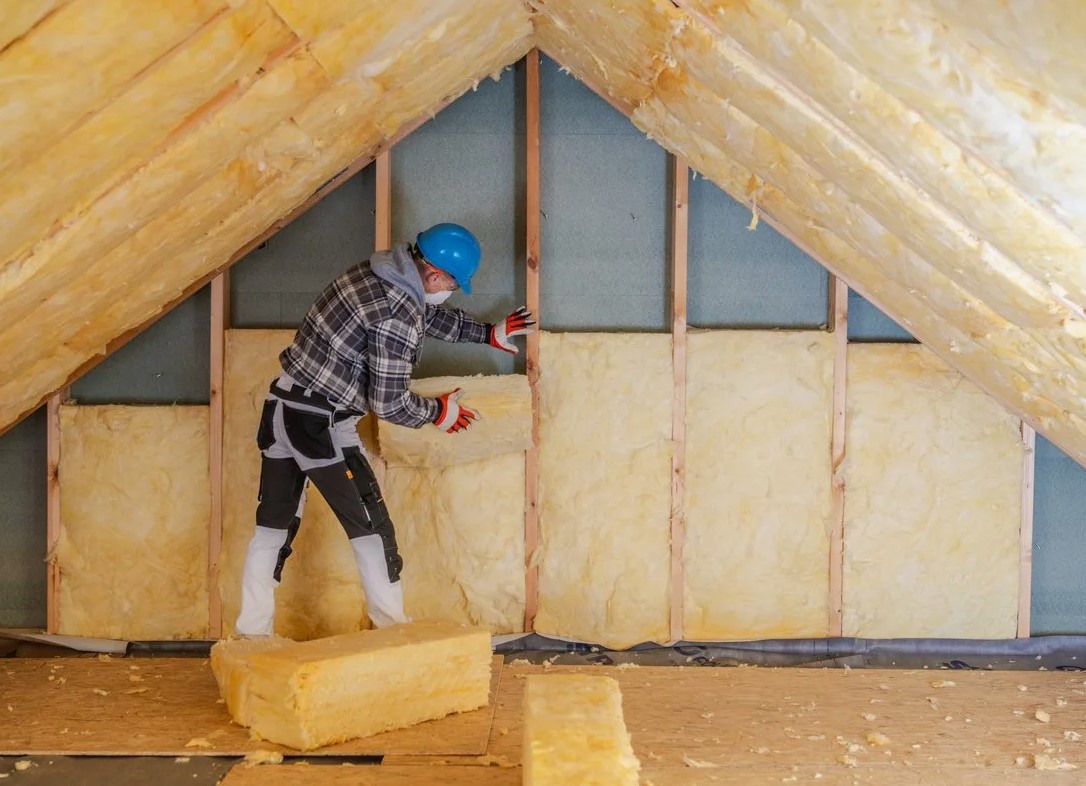
Choosing insulation requires consideration of the attic’s layout, accessibility, existing materials, and desired thermal performance. Loose-fill fiberglass and cellulose are commonly used in suitable attic spaces because they can cover broad areas and fit around many framing details. Fiberglass batts may also be appropriate where the attic structure allows proper placement and coverage.
R-value is another important consideration because it measures a material’s resistance to heat flow. The appropriate insulation level depends on factors such as local climate, current insulation, and the home’s construction. Quality Attic Insulation in Denver should involve selecting materials that suit the building and installing them according to the product’s requirements. Correct placement matters because gaps, compression, and uneven coverage can reduce the effectiveness of an otherwise suitable material.
The Importance of Air Sealing
Insulation slows heat transfer through building materials, but it does not automatically prevent air from passing through openings. Small gaps around wiring, plumbing pipes, attic hatches, and ceiling penetrations can allow conditioned air to escape. These leaks may contribute to drafts and make it harder to maintain consistent temperatures during Denver’s colder and warmer months.
Air sealing focuses on closing appropriate openings with suitable materials while maintaining necessary ventilation and safe building conditions. Addressing these leaks before adding insulation can help improve the performance of the attic’s thermal barrier. Homeowners considering Attic Insulation in Denver should ask whether air sealing is appropriate for their property, since the combination of these measures can provide a more complete approach to managing heat loss and unwanted airflow.
Protecting Attics From Moisture Problems
Moisture management is an essential part of any insulation project. Roof leaks, condensation, and other sources of dampness can affect existing insulation and surrounding building materials. If these conditions are ignored, installing new insulation may fail to resolve the underlying problem and could complicate future maintenance.
Before an upgrade begins, the attic should be checked for visible water damage, damp materials, and potential sources of moisture. Ventilation requirements should also be considered according to the roof assembly and building design. Any necessary repairs should be completed before installing new insulation. Taking these precautions helps homeowners protect their investment and ensures that improvements address the attic’s condition as a whole.
Improving Attic Efficiency Without Unnecessary Work
A successful insulation project should be based on the home’s actual needs. Some attics may require additional material because existing coverage is too thin, while others may have gaps or air leaks that need attention first. In certain cases, damaged insulation or moisture-related problems may require repair or removal before any new product is installed.
An assessment can help establish priorities and prevent homeowners from paying for work that does not address the main concern. A contractor should explain the proposed improvements, materials, preparation, and expected scope of work. When planning Attic Insulation in Denver, a clear estimate also makes it easier to compare options and understand how the recommended work may improve the property’s thermal performance.
What to Expect From a Professional Insulation Project?
Professional insulation work generally begins with an evaluation of accessible attic areas and existing building conditions. The assessment may include insulation depth, coverage, air leakage points, ventilation arrangements, and signs of moisture. These findings help determine which improvements are suitable and whether other issues should be resolved before installation.
Homeowners should receive clear information about the proposed materials, installation process, project cost, and expected timeline. It is also helpful to ask about cleanup, access requirements, and any warranties or eligible energy-efficiency incentives. Insulation Nation offers residential insulation solutions for homeowners in Denver and nearby communities, helping property owners explore improvements based on their homes’ needs. Clear communication makes it easier to understand the work and set realistic expectations.
Long-Term Benefits for Homeowners
A properly planned attic insulation upgrade can help reduce unwanted heat transfer and create more consistent indoor temperatures. Depending on the home’s starting condition, improvements may also reduce heating and cooling demand. Actual energy savings vary with insulation levels, air leakage, weather, utility prices, equipment efficiency, and household habits, so results should be considered in the context of the entire property.
Homeowners can support these improvements through regular maintenance, timely roof repairs, proper ventilation, and attention to other sources of energy loss. Insulation is one part of an effective home-performance strategy rather than a replacement for every other improvement. By evaluating Attic Insulation in Denver as a long-term home investment, property owners can focus on practical upgrades that support comfort and responsible energy use over time.
Conclusion
Attic insulation is an important part of maintaining a comfortable home in Denver’s changing climate. Inadequate coverage, air leaks, and moisture concerns can all affect indoor temperatures and the performance of heating and cooling systems. Identifying these issues before starting a project helps homeowners choose suitable materials, address underlying problems, and avoid unnecessary work.
Insulation Nation helps homeowners in Denver and surrounding Colorado communities explore residential insulation improvements suited to their properties. With a careful assessment, appropriate materials, and proper installation, homeowners can work toward more consistent indoor comfort and better energy management. Investing in Attic Insulation in Denver is a practical step toward improving home performance and preparing a property for Colorado’s seasonal weather.