A smartphone is often the easiest way to start vlogging. It’s always with you, takes seconds to set up, and can produce good-looking footage with little effort. But as you start filming more often, you may notice that the phone does not always give you enough control over the shot.
This is where a vlogging camera starts making sense. It gives you more flexibility with framing, focus, exposure and audio, while still being practical enough for everyday content.
More Control Over Your Shots
One of the biggest advantages of using a dedicated camera is having greater control over how your footage looks. Instead of relying completely on automatic processing, you have more room to adjust the image based on where and how you are filming.
This matters when your content moves beyond simple talking-to-camera videos. Travel vlogs, food videos, walk-and-talk content and indoor shoots can all present different lighting and framing challenges. A vlogging camera gives you more options to handle those situations without changing the way you create content entirely.
A Wider View Makes Self-Filming Easier
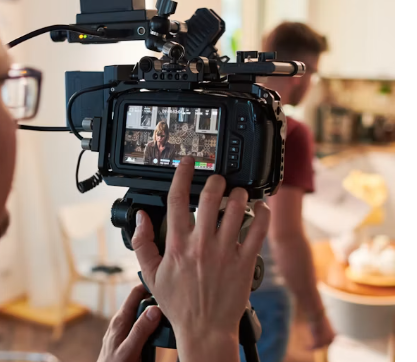
When you are filming yourself, the lens becomes particularly important. You need enough space in the frame to include yourself while also showing what is happening around you.
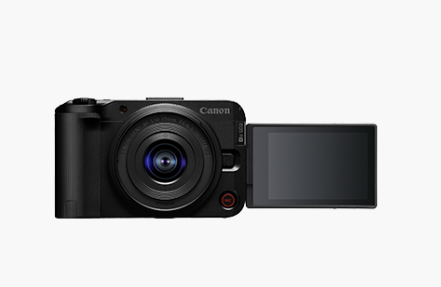
The Canon EOS R50 V with the RF-S14-30mm f/4-6.3 IS STM PZ lens is built around this kind of flexibility. Its 14mm wide end is useful for handheld self-recording and wider environmental shots, while the 30mm end allows for a tighter composition when needed. The lens also offers optical image stabilisation, which can help when you are recording while moving.
Designed Around Video Creation
A dedicated vlogging camera can also make the recording process easier. The EOS R50 V features a 24.2MP APS-C sensor and Dual Pixel CMOS AF II, helping maintain focus on your subject while you concentrate on what you are saying or doing.
It also supports internal 10-bit 4K recording, giving creators more flexibility to work with higher-quality footage and make adjustments in editing.
Audio Matters More Than You Think
Good visuals can get attention, but poor audio can make people stop watching. This is another area where a dedicated setup has an advantage.
The EOS R50 V includes an external microphone input and headphone terminal, allowing creators to connect an external microphone and monitor audio while recording. That becomes useful as your vlogs become more involved and you start paying closer attention to sound quality.
Is It Time to Move Beyond Your Phone?
You do not need a vlogging camera simply because you want to post videos. A smartphone remains the more convenient choice for quick, casual content.
But when filming becomes a regular part of what you do, the extra control can make a noticeable difference. You get more flexibility in how you frame yourself, manage focus, capture sound and shape the final video.
The real upgrade is not simply moving from a phone to a camera. It is having more control over the way your story gets captured.