

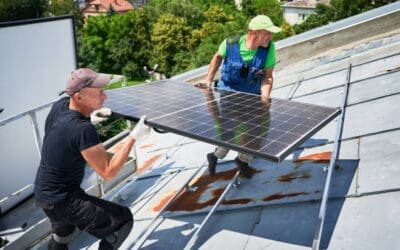
A large warehouse or distribution center can use a lot of electricity each day. Lighting, cooling systems, conveyor belts, and other equipment all need power. A completed commercial solar project in Illinois can offer a useful example of how businesses approach solar planning, system design, and installation. For property owners, the key question is whether the roof, power demand, and project cost make solar a practical choice.
Can Your Warehouse Roof Support Solar Panels?
A warehouse often has a large roof that may provide enough space for solar panels. However, roof size alone does not decide whether a solar system will work well. A solar provider must check the roof’s condition, strength, shape, and exposure to sunlight. Nearby buildings, trees, and other objects may also create shade and affect how much electricity the panels produce. If the roof needs major repairs, completing those repairs before installation may help prevent future problems. A professional roof assessment helps owners understand whether the building is ready for a solar project.
How Much Electricity Does Your Facility Use?
Before choosing a solar system, owners should review the facility’s electricity bills and daily power needs. Warehouses that run lights, cooling equipment, lifts, and conveyor belts for long hours may use large amounts of electricity. A review of monthly bills can show how much power the building needs and how demand changes during the year. This information helps a solar provider estimate how much electricity a system could produce. It also helps owners understand whether solar power can cover part of their needs or whether they will still depend heavily on the utility grid.
Will Solar Help Control Operating Costs?
Electricity is an ongoing expense for many large facilities. A properly planned solar system may reduce the amount of electricity a business needs to buy from its utility provider. However, the savings depend on several factors, including system size, sunlight, local electricity rates, and the time the building uses the most power. Owners should compare the estimated savings with installation costs and future maintenance needs. They should also ask about local utility rules, possible fees, and how unused solar electricity is handled. A clear financial review can help businesses judge whether the project makes sense over time.
Which System Size Fits Your Daily Work?
The right solar system depends on the building’s energy use, available roof space, and electrical setup. A system that is too small may provide only a small share of the facility’s electricity. A system that is too large may produce more power than the business can use at certain times. Solar professionals review electricity records and roof conditions to recommend a suitable system size. They can also explain whether battery storage may help the facility use stored power later. The goal is to match the system to the building’s real needs instead of choosing a size based on roof space alone.
What Costs Should Owners Review First?
The total project cost may include solar panels, inverters, mounting equipment, electrical work, permits, inspections, and installation labor. Some buildings may also need roof repairs or electrical upgrades before work begins. Owners should request a written proposal that explains the equipment, expected power production, project schedule, warranties, and estimated costs. It is also helpful to ask about available tax benefits or other incentives, as eligibility rules can change. Comparing proposals from qualified providers gives business owners a clearer view of the work involved and helps them avoid decisions based only on the lowest initial quote.
Can Solar Fit Around Warehouse Operations?
Warehouses often need to keep goods moving during regular business hours. Solar installation must therefore be planned around deliveries, staff movement, loading areas, and other daily tasks. A professional installation team can discuss the work schedule, safety steps, equipment access, and any areas that may need temporary restrictions. Owners should also understand how the system will be checked after installation and who to contact if a problem occurs. Good planning can reduce avoidable interruptions and help the facility continue its regular work while the solar project moves forward.
Final Touches:
A commercial solar project may suit a large warehouse or distribution center if the roof is suitable, electricity use supports the plan, and the expected savings justify the total cost. Reviewing energy bills, roof conditions, system size, and installation needs gives owners a stronger basis for making a decision. The next step is to arrange a site assessment and ask for a proposal based on the facility’s actual needs. Contact a qualified solar provider to arrange a property assessment and request a written project proposal. If your business also needs a residential solar Installation service in St. Louis, Missouri, ask about home solar options separately. A clear review of your needs can help you choose the right solar solution for each property.

