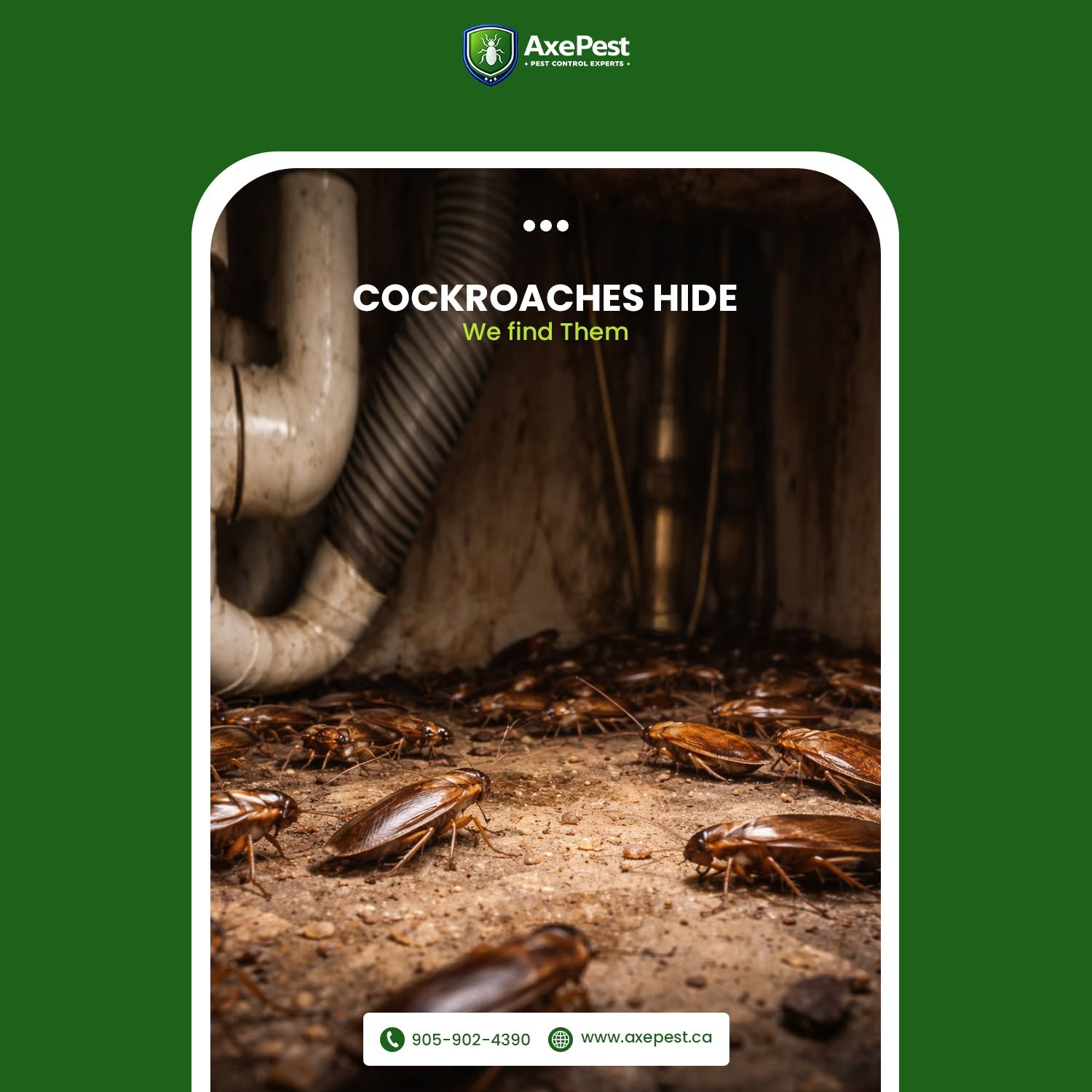
What if getting rid of roaches meant doing more than spraying the places where you see them? These pests often hide in dark corners, wall gaps, cabinets, and other spots that are easy to overlook. Although spraying may reduce visible activity, it may not solve the reason roaches keep returning. Effective roaches treatment Vaughan homeowners can rely on looks beyond the insects themselves to find hiding places, remove attractants, and address the conditions that allow an infestation to grow.
Find Out Why Roaches Keep Coming Back
Seeing a roach in your kitchen or bathroom can be frustrating, especially after you have already cleaned or used a spray. However, the insects you notice may represent only a small part of the problem. Roaches often stay hidden during the day and become active when the home is quiet.
A source-focused approach begins with a careful inspection. A pest control professional looks for signs of activity, possible entry points, and areas where roaches can find food, water, and shelter. This helps explain why they may be gathering in one part of the property or spreading into other rooms.
Inspect the Places Roaches Prefer to Hide
Roaches can squeeze into narrow spaces and remain out of sight for long periods. As a result, checking only open floors and countertops may leave important areas untreated.
A thorough inspection may focus on:
- Behind refrigerators, stoves, and other kitchen appliances.
- Inside cabinet corners, under sinks, and around plumbing pipes.
- Along baseboards, cracks, and gaps near walls.
- Around bathroom fixtures, drains, and damp areas.
- Near garbage storage, cardboard boxes, and cluttered spaces.
- Around shared walls or utility openings in apartments and multi-unit buildings.
Professionals may also look for droppings, shed skins, egg cases, and other signs that help identify where roaches are active. These clues can help determine which areas need attention first.
Remove the Food and Water That Attract Them
Roaches need food, water, and shelter to survive. Even a clean-looking home can offer enough resources to support them if small leaks, food crumbs, or uncovered waste remain available.
Once the main problem areas have been identified, simple changes can make the property less inviting. Wiping up spills, storing food in sealed containers, emptying garbage regularly, and cleaning beneath appliances can reduce access to food.
Understand Why Spraying Alone May Not Be Enough
Sprays can kill roaches that come into direct contact with a suitable product. However, they may not reach insects hidden deep inside wall gaps, appliances, or other protected spaces. Eggs may also remain unaffected by some products, depending on the treatment used.
That is why a more complete plan may combine different methods rather than depend on one application. Depending on the type and level of infestation, a professional may recommend targeted products, bait placements, monitoring tools, or follow-up visits.
Prevent Roaches From Returning
Once treatment begins to reduce activity, prevention becomes an important part of keeping the problem under control. Without changes to the conditions that attracted roaches, new insects may find the property just as suitable as before.
Homeowners can support prevention by following a few practical habits:
- Seal food tightly and clean crumbs from floors and counters.
- Repair leaks and dry wet areas when possible.
- Reduce clutter, especially around appliances and storage spaces.
- Seal suitable gaps around pipes, doors, and baseboards.
- Keep garbage covered and remove it regularly.
- Report continuing activity so the treatment plan can be reviewed.
These steps work best when they match the findings from the original inspection. A professional may also recommend monitoring or another visit to check whether the infestation has been controlled.
Consider Nearby Sources in Shared Buildings
In apartments, condominiums, and other connected buildings, roaches may travel between units through gaps around pipes, wall openings, and shared service areas. Treating one room may not be enough if the insects continue to enter from another location.
In these situations, communication matters. Residents should report recurring activity to the property manager and ask whether nearby units or shared areas need inspection. Coordinated treatment may be necessary to address a wider infestation.
Homeowners seeking roaches treatment Mississauga can also benefit from understanding how building conditions and nearby activity may affect pest control. A plan that considers the whole situation can be more effective than repeatedly treating the same visible area.
Check the Results and Adjust the Plan
Roach control is not always an instant process. Activity may decrease gradually, and some treatment methods need time to work. Follow-up checks help determine whether the chosen approach is producing the expected results.
Focus on the Cause for Longer-Lasting Control
When roach treatment goes beyond spraying, it addresses the conditions that allow the pests to survive and spread. Careful inspection, targeted treatment, improved sanitation, moisture control, and follow-up checks all play a part in a more complete approach.
Although no treatment can promise that roaches will never return, dealing with the source can improve the chances of lasting control and help reduce repeated problems.
Contact a trusted pest control professional to inspect your property, identify the source of roach activity, and recommend a treatment plan suited to your home.