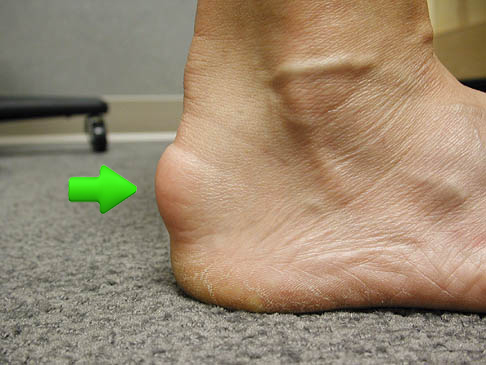
Achilles tendinosis develops when the Achilles tendon changes gradually, often due to repeated loading. The tendon connects the calf muscles to the heel and supports everyday movements, including walking and running. Effective treatment for Achilles tendinosis focuses on strengthening the tendon, managing discomfort, and restoring movement. Understanding the causes of persistent symptoms helps patients set realistic expectations for rehabilitation.
Why Does Achilles Tendinosis Take Time to Heal?
The Achilles tendon experiences considerable pressure during physical activity. Repeated loading beyond its current capacity can contribute to persistent pain, stiffness and reduced function. Recovery depends on several factors, including activity levels and tendon condition.
Common factors influencing recovery include:
- Sudden increases in exercise intensity
- Repetitive running or jumping activities
- Reduced calf muscle strength
- Previous Achilles tendon injuries
- Individual tendon-loading capacity
- Consistency with rehabilitation exercises
These factors influence how the tendon responds to treatment. Gradual adjustments to physical activity, combined with appropriate strengthening exercises, can improve tendon function over time.
Which Treatments Help Achilles Tendinosis?
Conservative management is generally the preferred initial approach. The most effective treatment for Achilles tendinosis typically involves progressive exercise therapy tailored to individual symptoms and physical capabilities.
Common treatment approaches include:
- Activity Modification: Adjusting activities that place excessive pressure on the tendon
- Strengthening Exercises: Improving calf muscle strength through progressive resistance training
- Physiotherapy: Developing an individual rehabilitation programme
- Supportive Footwear: Improving comfort and managing tendon loading
- Heel Raises: Temporarily reducing tendon strain when clinically appropriate
These approaches aim to improve tendon capacity and everyday movement. A physiotherapist can adjust exercise intensity based on symptoms, progress, and individual recovery goals.
Why Is Gradual Loading Important?
Progressive tendon loading encourages the Achilles tendon to adapt to increasing physical demands. Rehabilitation often begins with controlled strengthening exercises before progressing to activities that require greater strength and endurance.
Exercise progression depends on pain levels, movement quality and functional improvement. Consistent rehabilitation helps patients gradually rebuild confidence in walking, running and other activities. Recovery commonly takes several months, depending on symptom severity and individual progress.
When Should You Seek Specialist Advice?
Professional assessment is valuable when Achilles pain persists, affects daily activities or limits physical performance. A sports orthopaedic surgeon can assess tendon function, review symptoms and recommend appropriate investigations when necessary.
Specialist assessment may be particularly helpful when:
- Symptoms continue despite rehabilitation
- Walking or exercise becomes increasingly difficult
- Tendon weakness affects everyday movement
- Pain or swelling increases significantly
Sudden severe pain, particularly with a popping sensation or difficulty pushing off the foot, requires prompt assessment for a possible tendon rupture.
Is Surgery Necessary for Achilles Tendinosis?
Most patients begin with exercise-based rehabilitation and activity management. Surgery may be considered for selected patients experiencing persistent symptoms after several months of appropriate conservative treatment. Surgical decisions depend on tendon condition, functional limitations and treatment response. A specialist can explain the available procedures, expected recovery and potential complications.
Conclusion
Recovering from Achilles tendinosis requires patience, consistent rehabilitation, and appropriate activity management. Progressive strengthening exercises help improve tendon capacity and support everyday movement. Professional guidance can help patients manage persistent symptoms and make informed treatment decisions. A gradual return to physical activity supports long-term tendon function and improved mobility.