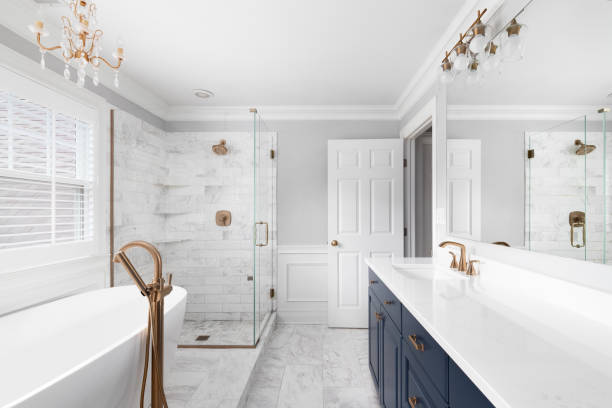
A well-designed bathroom can improve everyday comfort, enhance the appearance of a home, and provide lasting value for homeowners. From selecting attractive tiles to upgrading showers and improving storage, every detail contributes to the final result. Careful planning helps prevent costly mistakes while ensuring that the finished space meets practical needs. Choosing suitable materials, reliable waterproofing methods, and experienced professionals can make the renovation process smoother. With a clear vision and attention to detail, homeowners can create a bathroom that combines functionality, durability, and timeless style.
Planning a Successful Bathroom Transformation
Every successful renovation begins with a clear understanding of the existing space and the improvements needed. Homeowners should assess their current bathroom, identify outdated features, and determine whether plumbing, flooring, lighting, or storage requires attention. Establishing priorities early helps create a realistic budget and ensures that essential improvements receive appropriate attention.
Understanding Your Household Requirements
Bathroom designs should reflect the people who use the space every day. Families may need additional storage and durable surfaces, while homeowners seeking a more relaxing atmosphere might prefer spacious showers, elegant finishes, and improved lighting. Considering accessibility, available space, and cleaning requirements helps create a design that remains practical for years.
Choosing the Right Remodeling Professional
Selecting an experienced contractor can make a significant difference in the quality and organization of a renovation. Homeowners should review previous projects, confirm insurance coverage, check applicable licensing requirements, and request detailed estimates. A professional who communicates clearly can help explain construction requirements, material options, and scheduling expectations before work begins.
Creating a Functional Bathroom Layout
An efficient layout allows homeowners to move comfortably between the vanity, shower, toilet, and storage areas. Poorly positioned fixtures can make a bathroom feel cramped, even when the room has sufficient floor space. Adjusting the layout may improve accessibility, increase storage capacity, and create a more balanced appearance without unnecessary decorative changes.
Maximizing Available Space
Smaller bathrooms can benefit from recessed shelves, wall-mounted vanities, mirrored cabinets, and compact fixtures. Larger spaces may accommodate double sinks, separate shower areas, or additional cabinetry. Homeowners considering bathroom remodel in Louisville, KY, should evaluate their property’s existing layout and select improvements that suit their household’s needs.
Balancing Design and Convenience
A beautiful bathroom should also be easy to use and maintain. Choosing practical fixture locations, adequate lighting, and accessible storage helps prevent everyday inconveniences. Coordinating colors, textures, and hardware creates a consistent design while ensuring that the room remains comfortable and functional.
Selecting Durable Materials and Finishes
The materials selected for a renovation influence appearance, maintenance, and long-term performance. Porcelain tile offers numerous patterns and finishes, making it suitable for many bathroom applications. Natural stone can provide distinctive character, although some varieties require specialized cleaning and periodic sealing. Countertops, cabinetry, and flooring should be selected according to their intended use and exposure to moisture.
Choosing Colors and Textures
Neutral shades can create a timeless foundation, while decorative tiles and contrasting fixtures introduce personality. Light colors may help smaller rooms feel brighter, whereas darker accents can add depth. Combining complementary textures creates visual interest without making the bathroom feel overcrowded.
Prioritizing Long-Term Durability
Homeowners should consider how frequently materials require cleaning, whether replacement products are readily available, and how surfaces respond to regular moisture exposure. Consulting a Schluter-certified installer can help clarify the installation requirements of compatible tile and waterproofing systems. Appropriate material selection and correct installation contribute to a more reliable finished bathroom.
Understanding the Importance of Waterproofing
Waterproofing is essential in shower areas and other locations exposed to frequent moisture. Water can enter poorly protected joints and damage underlying construction materials, potentially leading to expensive repairs. Proper surface preparation and correctly installed waterproofing components help protect the structure beneath finished tile surfaces.
Protecting Shower Walls and Floors
A reliable waterproofing system must account for corners, seams, niches, drains, and transitions between horizontal and vertical surfaces. These details require careful attention because they can become difficult to inspect after the tile installation is complete. Homeowners should discuss the selected system and installation sequence before construction begins.
Preventing Common Installation Problems
Waterproofing products should be compatible and installed according to manufacturer instructions. Incorrectly treated seams or improperly prepared surfaces can undermine the system’s performance. A Schluter-certified installer can explain the relevant installation procedures and help homeowners understand why preparation and attention to detail matter.
Upgrading Showers and Bathroom Fixtures
Modern shower designs can improve comfort while giving the bathroom a refreshed appearance. Features such as adjustable showerheads, recessed storage niches, handheld sprayers, and comfortable controls can make daily routines easier. Glass enclosures may create a more open appearance, while built-in seating can provide additional convenience when the available space permits.
Improving Vanity Storage
A well-designed vanity provides convenient storage for toiletries, towels, and everyday essentials. Drawer organizers, mirrored cabinets, and appropriately sized countertops help maintain an uncluttered environment. Selecting fixtures that complement the room’s proportions creates a cohesive appearance and improves usability.
Choosing Efficient Plumbing Fixtures
Water-efficient faucets and showerheads can help reduce water consumption when selected and installed appropriately. Homeowners should consider product quality, maintenance requirements, and compatibility with existing plumbing. These practical decisions can support long-term convenience without sacrificing the desired design.
Establishing a Realistic Renovation Budget
A clear budget helps homeowners prioritize improvements and prepare for the financial requirements of construction. Expenses may include demolition, materials, labor, plumbing modifications, electrical work, waterproofing, and finishing details. The overall cost depends on bathroom size, the condition of existing structures, and the complexity of the planned changes.
Preparing for Unexpected Costs
Older bathrooms sometimes reveal concealed problems during demolition, including deteriorated subfloors, damaged plumbing, or moisture-related deterioration. Setting aside a contingency fund can help homeowners address these discoveries without unnecessarily delaying the project. Written estimates should clearly explain the included services, exclusions, payment terms, and expected schedule.
Comparing Professional Estimates
Homeowners should compare proposals according to their scope, material specifications, preparation requirements, and finishing work rather than price alone. A detailed estimate makes it easier to understand the value offered by each contractor. Clear agreements also help reduce misunderstandings once construction begins.
Managing the Remodeling Process
A typical renovation begins with an inspection and design consultation, followed by demolition and necessary plumbing or electrical adjustments. Surface preparation, waterproofing, tile installation, fixture placement, and finishing work follow in an organized sequence. Proper coordination between stages helps maintain construction quality and minimize avoidable delays.
Maintaining Effective Communication
Regular updates help homeowners understand project progress and upcoming decisions. Contractors should communicate material delivery dates, schedule changes, and unexpected construction issues. Finalizing major selections before installation begins can reduce costly revisions and help the project proceed more smoothly.
Reviewing Installation Quality
Before accepting the completed bathroom, homeowners should inspect visible tilework, fixtures, drainage, ventilation, and finishing details. Any outstanding concerns should be documented and discussed with the contractor. Keeping product information, warranties, and maintenance instructions provides useful documentation for future repairs.
Maintaining Your Newly Renovated Bathroom
Routine maintenance helps preserve the appearance and functionality of bathroom surfaces. Regular cleaning, appropriate ventilation, and prompt attention to plumbing leaks can reduce avoidable deterioration. Homeowners should follow product-specific care instructions for grout, tile, glass, countertops, and fixtures to prevent unnecessary damage.
Protecting Surfaces and Fixtures
Using suitable cleaning products helps maintain the finish of installed materials. Homeowners should avoid abrasive cleaners when manufacturers advise against them and periodically inspect accessible plumbing connections. Addressing minor concerns early can prevent more extensive repairs.
Maintaining Long-Term Performance
A Schluter-certified installer can explain the installed waterproofing system and recommend appropriate care practices for the specific products used. Although routine maintenance cannot correct every concealed installation problem, it helps homeowners identify visible concerns and protect the bathroom’s finished surfaces.
Conclusion: Building a Bathroom That Lasts
A successful bathroom renovation combines thoughtful planning, durable materials, effective waterproofing, and professional workmanship. By establishing a realistic budget, improving the layout, and selecting fixtures that suit their needs, homeowners can create a comfortable and attractive environment. Choosing a qualified Schluter-certified installer for appropriate system installations can also help ensure that critical construction details receive proper attention. With careful design, clear communication, and consistent maintenance, a renovated bathroom can provide lasting comfort, functionality, and value for years to come.