Older homes can have plenty of character, but their original insulation and air-sealing systems may not meet modern comfort expectations. Drafty rooms, cold floors, and noticeable temperature differences between floors can indicate that a home’s thermal performance needs attention.
For homeowners in Danville, Illinois, a thoughtful energy-efficiency plan starts by understanding how the house is built and where heat is being lost.
Find the Source of Comfort Problems
A high utility bill does not automatically mean the attic needs more insulation. Air leakage, aging heating equipment, duct problems, and poorly sealed openings may also contribute to energy waste.
A basic home assessment should consider the attic, exterior walls, basement or crawl space, windows, doors, and visible gaps around plumbing or wiring. Addressing the biggest sources of heat loss first can make improvement projects more effective.
Don’t Overlook the Attic
Attics are often a useful place to investigate because inadequate insulation allows heat to move through the ceiling. Before adding material, check for roof leaks, damp insulation, blocked ventilation pathways, and gaps around penetrations.
The existing insulation should also be evaluated for its condition and coverage. Simply adding new material over damaged or moisture-affected insulation may leave the underlying issue unresolved.
Consider the Whole Building Envelope
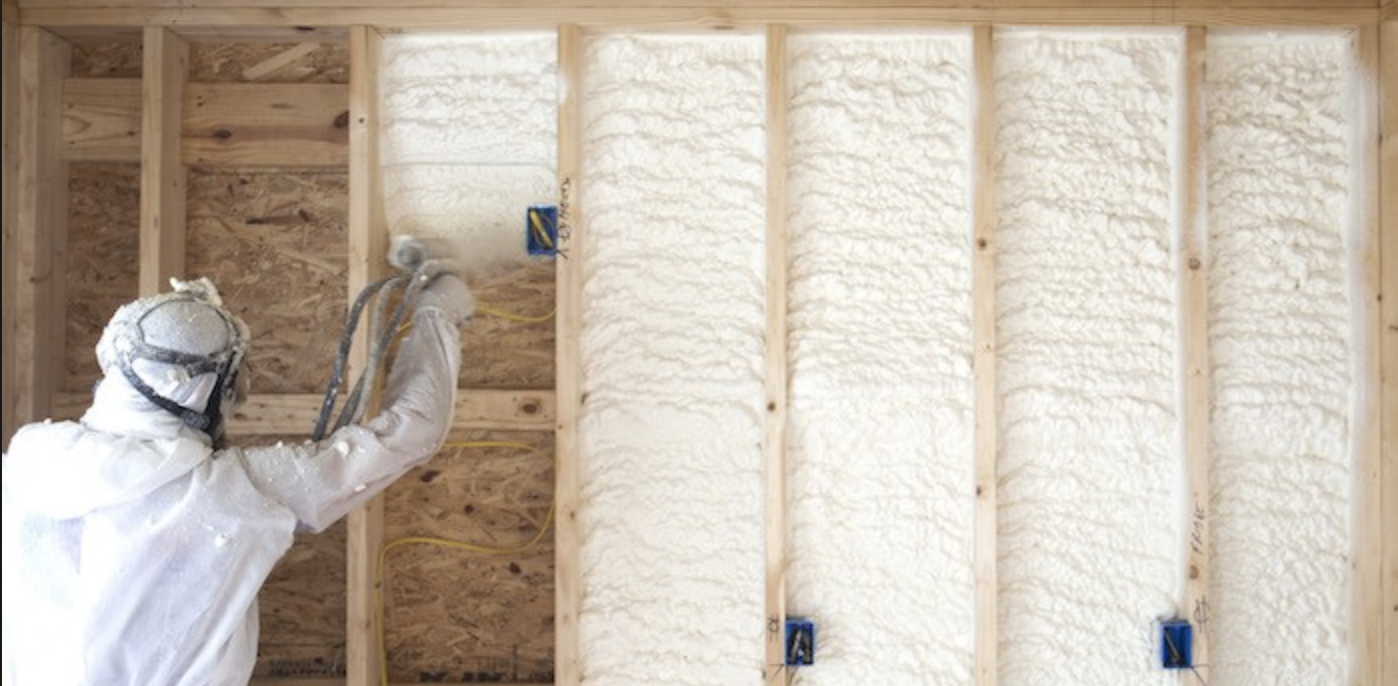
Wall insulation can help reduce heat transfer through exterior walls, while appropriate floor insulation may improve comfort above an unconditioned area. Air sealing complements these improvements by limiting uncontrolled movement of indoor and outdoor air.
The right combination varies from house to house. Some homes may benefit from cellulose or fiberglass, while others may require a different solution based on the cavity design and moisture conditions.
Homeowners should also make sure that energy improvements do not interfere with necessary ventilation or create moisture problems. Insulation work should fit the building rather than follow a one-size-fits-all approach.
Plan Improvements Around Your Home’s Needs
A professional assessment can help homeowners prioritize upgrades, compare materials, and understand the likely benefits of each project. This is particularly useful when several areas of the home appear to be contributing to drafts or inconsistent temperatures.
Property owners looking for local options can explore insulation services in Danville, IL. A clear plan based on the home’s condition can help make energy-efficiency improvements more practical and effective over the long term.