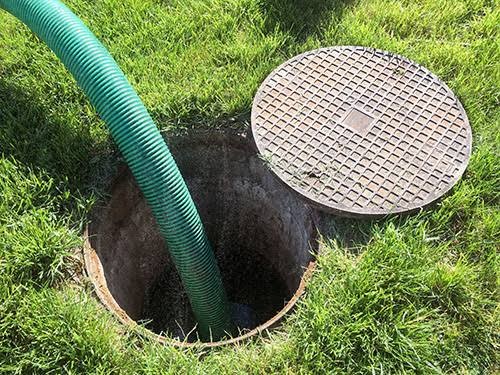
A toilet that gurgles, a wet patch in the yard, an alarm that wakes you at midnight. Most people assume the worst and start pricing a whole new septic system. In many cases, though, the problem is a single part, and fixing it costs a fraction of replacement. Knowing what commonly fails, and how to judge a repair quote, helps you avoid both overspending and under-fixing.
The most common septic problems
- Clogged outlet filter or damaged baffle. Solids escape the tank and clog the drain field, which is the costly part.
- Failed pump or float switch. Common in systems that pump effluent uphill or to a spray field.
- Aerator failure (aerobic systems). Without air, treatment stops and odors start.
- Clogged or broken spray heads. Water pools instead of spreading, and the yard turns soggy.
- Broken or root-damaged lines. Wastewater backs up or leaks before it reaches the tank.
- Cracked lids and risers. A safety hazard, and a way for rain and debris to get in.
- A saturated or failing drain field. Usually the result of years of buildup, or a tank that was never pumped on time.
Early warning signs
Slow drains in several fixtures, sewage odor near the tank or field, unusually green or soggy ground, and alarm lights are all signals. Water backing up into the house after heavy rain points to a system that’s already stressed.
What to do first when something goes wrong
- Cut back on water. Skip laundry and long showers until you know the cause.
- Don’t pour chemicals or additives into the system. They rarely fix anything and can harm the bacteria.
- Stay out of the tank. Septic gases are dangerous, and lids can be unstable. Never enter or lean over an open tank.
- Note what you see: alarm lights, where water is pooling, when it started.
- Call a licensed septic company early. Small repairs stay small.
What a good repair visit looks like
A reliable provider diagnoses before quoting. They locate the tank, check the pump, floats, filters and lines, and look at the field. Then they explain what failed, show you if possible, and give you a written quote. If a permit is needed, they handle that. Afterward you should get a short report of what was done. That’s the standard to expect from professional septic repair services.
What drives repair costs
No two jobs are priced alike. These factors move the price most:
- What failed: a float switch costs far less than a failed drain field.
- Access and depth: buried or hard-to-reach tanks take more time and equipment.
- Rock and soil: limestone and heavy clay slow excavation.
- Timing: after-hours emergency repair costs more than a scheduled visit.
- Permits: major repairs and replacements often need county approval.
Affordable repair usually comes down to catching problems early. A small issue ignored for a year can turn into a drain field replacement.
Repair or replace? A simple test
Repair usually makes sense when:
- One component failed and the rest tests fine
- The tank is structurally sound
- The drain field still absorbs water
- The system is sized for your household
Replacement may be needed when:
- The tank is cracked, collapsed or leaking
- The drain field stays saturated even after repairs
- You’ve added bedrooms or people and the system is undersized
- You’ve paid for repeated repairs in a short time
If a company recommends replacement, ask for the reasons in writing, and don’t hesitate to get a second opinion. An honest provider welcomes that.
Local conditions around Belton
Soil is a big part of the story here. Clay-heavy ground in Bell County holds water after storms and cracks during dry spells, which strains lines and fields. Properties near Lake Belton can face extra setback and groundwater considerations as well. Homeowners who need septic repair in Belton, TX are better served by a contractor who knows these conditions and the county’s permitting process.
Preventing repeat repairs
Simple habits reduce repair bills: pump the tank on schedule, spread out water use, keep trees and vehicles off the field, and keep wipes, grease and paint out of the drains. For aerobic systems, keep your maintenance contract current, since regular visits catch worn parts before they fail.
The takeaway
A septic problem isn’t automatically a septic disaster. Act early, insist on a clear diagnosis and a written quote, and weigh repair against replacement using the system’s age, condition and history, not fear.