Introduction
In the current financial landscape, businesses require reliable funding options to support growth, operations, and sustainability. Among these funding sources, machinery loans and commercial loans stand out as crucial financial tools. While equipment financing is essential for acquiring the machinery needed for operational efficacy, understanding commercial loan interest rates is equally critical for maintaining cash flow and managing debt. This article will explore the importance of machinery loans and commercial loan interest rates, detailing the user journey from awareness to decision-making.
Understanding Machinery Loans
What is a Machinery Loan?
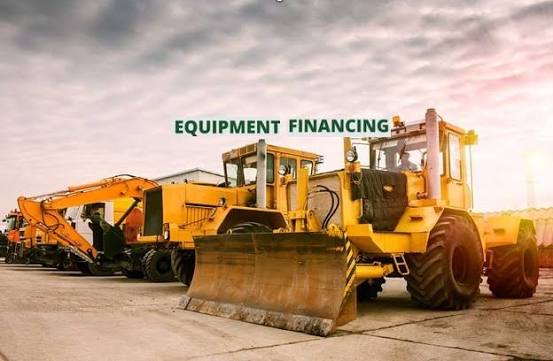
A machinery loan is a type of financing specifically designed for businesses to purchase or lease equipment necessary for their operations. This can include anything from construction machinery to factory equipment or even agricultural tools. This form of financing can take various shapes, including secured loans, leasing options, and installment loans, among others.
How Machinery Loans Work
Machinery loans typically involve the following steps:
- Application: The business applies for the loan by providing necessary documentation, including financial statements and details about the desired machinery.
- Approval: Lenders review the application and assess the business’s creditworthiness, usually by checking credit scores and financial history.
- Funding: Once approved, funds are disbursed, often covering a percentage of the machinery’s total cost.
- Repayment: The business begins making regular payments, often with interest, until the loan is paid off.
Benefits of Machinery Loans
- Financing Flexibility: Machinery loans offer businesses the opportunity to acquire equipment without a massive upfront cost, spreading the payments over time.
- Improved Cash Flow: By financing the purchase, companies can maintain liquidity for other operational needs.
- Tax Deductions: In many regions, businesses can deduct the interest paid on machinery loans from their taxable income.
Understanding Commercial Loans
What is a Commercial Loan?
A commercial loan is a type of debt-based funding that businesses use to finance their operational needs. These loans can be used for various purposes, including purchasing inventory, financing real estate, or expanding operations.
How Commercial Loans Work
The process for obtaining a commercial loan typically includes:
- Application: Entrepreneurs submit an application that outlines the purpose of the loan and includes financial documentation.
- Credit Evaluation: Lenders evaluate the business’s credit history and financial health to determine the risk.
- Loan Offer: If approved, the lender provides loan terms, including the amount, interest rate, and repayment schedule.
- Funding and Repayment: Upon acceptance, funds are disbursed, and the borrowing business must adhere to the repayment terms outlined.
Importance of Commercial Loan Interest Rates
Interest rates on commercial loans are paramount as they directly influence the cost of borrowing. They vary significantly based on economic conditions, lender policies, and the borrower’s credit profile.
The Intersection of Machinery Loans and Commercial Loans
Understanding both machinery loans and commercial loan interest rates is crucial for several reasons:
Financial Decision-Making
- Financial Decision-Making: Knowledge about interest rates can enable businesses to make informed decisions about financing options.
Cash Flow Management
- Cash Flow Management: Choosing the right type of loan with favorable terms can optimize cash flow, which is critical for day-to-day operations and long-term sustainability.
Investment Strategy
- Investment Strategy: Businesses that plan for machinery loans and consider interest rates can optimize their investment strategies to maximize returns on equipment and minimize borrowing costs.
The User Journey: From Awareness to Decision
Awareness Stage
The first step in the user journey is awareness. Businesses often become aware of their need for financing due to various triggers:
- Business Growth: As companies expand, they may require new machinery to increase production.
- Operational Needs: Aging equipment can lead to inefficiencies, prompting businesses to seek modern machinery.
- Market Opportunities: Engaging new markets may require additional investment in equipment or facilities.
In this phase, businesses start researching financing options. Additionally, they familiarize themselves with concepts like machinery loan and commercial loan interest rate.
Consideration Stage
Once businesses recognize the need for financing, they move to the consideration stage:
- Researching Options: They compare different lenders and financing methods. Online platforms, financial forums, and business advisory services often play a role.
- Understanding Terms: Businesses begin to analyze the terms associated with machinery loans and commercial loans. They scrutinize interest rates, repayment terms, and other loan features.
- Evaluating Impact: Companies assess how these loans will affect their cash flow and overall financial health. They also consider potential returns on investment from new machinery.
Decision-Making Stage
Finally, the user journey culminates in the decision-making stage. Factors that businesses typically evaluate include:
- Comparing Interest Rates: Businesses look for competitive interest rates on both machinery loans and commercial loans. A lower commercial loan interest rate can significantly affect the overall cost of financing.
- Evaluating Affordability: Companies consider their ability to repay the loan without hindering operational cash flow.
- Consulting Professionals: Many businesses consult with financial advisors or accountants to finalize the best financing options tailored to their needs.
Implementation
Once a choice is made, businesses proceed to implement their loan strategy:
- Application Processing: Completing the necessary paperwork and submitting the application.
- Awaiting Approval: There could be a waiting period while the lender processes the application.
- Receiving Funds: After approval, funds are disbursed, and businesses can acquire their machinery or operational needs.
The Importance of Interest Rates Today
In today’s economic environment, fluctuating interest rates can have profound effects on a business’s financial health. Here’s why commercial loan interest rates particularly matter today:
Economic Impacts
Interest rates are influenced by the overall economic climate. Factors such as inflation, central bank policies, and market trends directly affect borrowing costs. When rates are low, borrowing is cheaper, making machinery loans and commercial loans more accessible.
Competitive Edge
Businesses that secure loans at lower interest rates can reinvest savings into operational enhancements, marketing, or other growth strategies. The competitive edge gained can be substantial, particularly in industries characterized by slim profit margins.
Long-Term Planning
Understanding interest rates helps businesses engage in long-term financial planning. They can predict future costs associated with loan repayments and chart out sustainable growth initiatives grounded in solid financial practice.
The Role of Credit Scores
Credit scores play a critical role in determining both machinery loan offerings and commercial loan interest rates.
Importance of Credit Scores
- Influencing Interest Rates: A higher credit score often leads to better interest rates, while lower scores may result in unfavorable terms.
- Loan Approval: Lenders use credit scores to assess the risk of lending. A business with a poor credit history may struggle to secure financing at a reasonable rate.
- Negotiation Tools: Businesses with good credit scores can leverage their positions to negotiate better terms on loans.
Strategies for Improving Credit Scores
- Timely Payments: Consistently making payments on time helps improve credit scores.
- Reducing Debt: Paying down existing debts can reflect positively on credit reports.
- Monitoring Credit Reports: Regularly checking credit reports for inaccuracies and addressing any issues promptly can help maintain healthy scores.
Conclusion
Understanding the intersection of machinery loans and commercial loan interest rates is vital for businesses navigating today’s economic landscape. Through careful consideration of financial options, potential borrowers can optimize their funding choices, thereby enhancing operational efficiency and maintaining competitive advantages within their industry.
By recognizing when financing is needed, evaluating different options, and understanding the impact of interest rates, businesses can create a path to sustainable growth and success. Recognizing the importance of the user journey in the context of machinery loans and commercial loan interest rates can lead to a more informed and strategic approach to funding in the bustling marketplace of today.
Final Thoughts
As we enter a new era in business funding and economic recovery, equipping ourselves with knowledge becomes indispensable. Businesses must remain vigilant regarding their financial health and actively educate themselves on machinery loans and the implications of commercial loan interest rates. By doing so, they can ensure a robust foundation for growth and resilience in an ever-evolving market.