

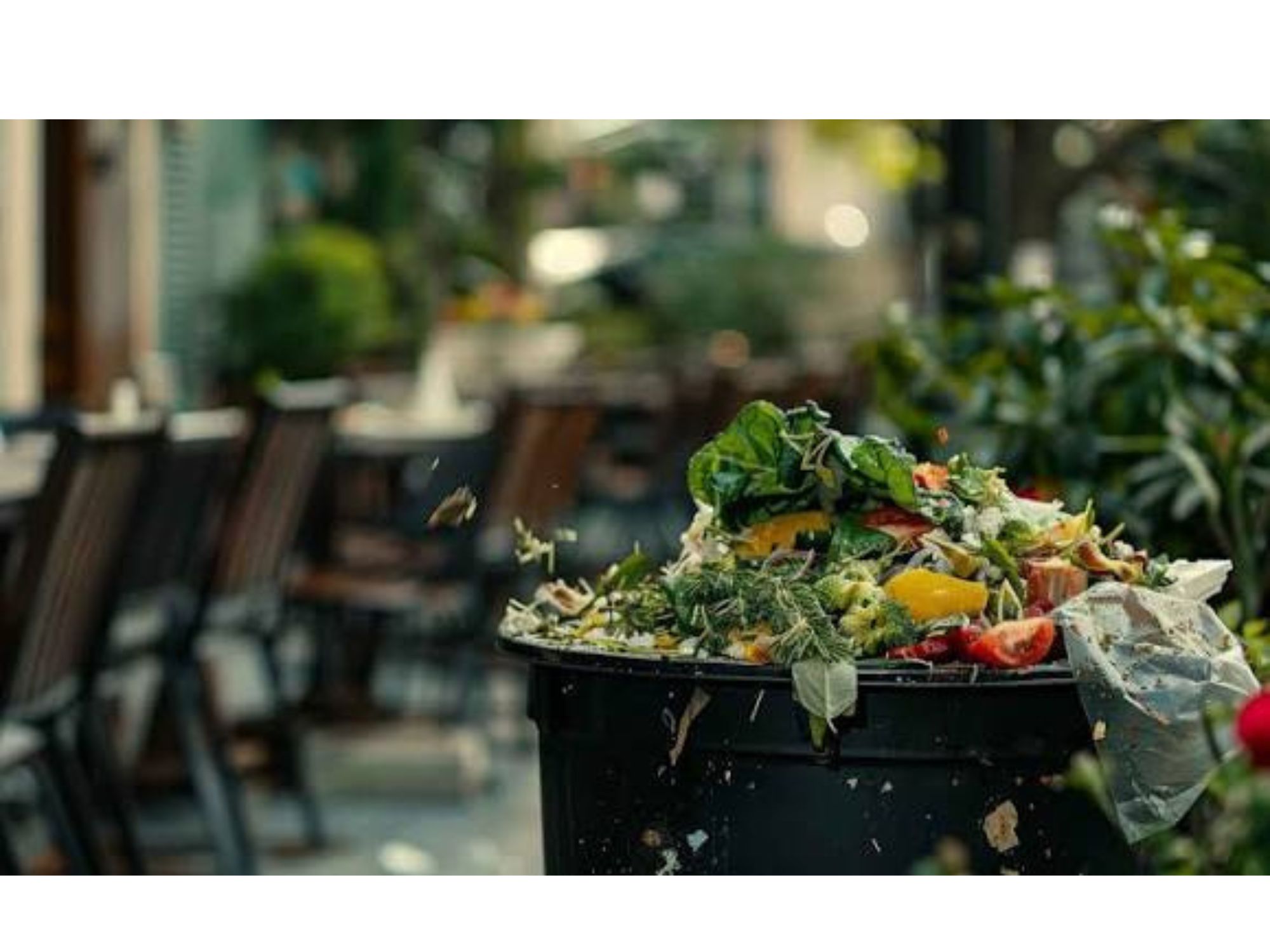
Restaurants, grocery stores, food processors, commercial kitchens, and other food-related businesses generate waste that is very different from the material produced by a typical office or retail store. Along with ordinary trash, these facilities may need to manage used cooking oil, grease trap waste, animal by-products, food residue, wastewater, and grease buildup around service areas.
Because these materials require different handling methods, an effective waste management strategy cannot rely on a single container or collection schedule.
Baker Commodities works with commercial food operations to help manage specialized waste and recyclable materials through collection, recycling, rendering, grease management, drain maintenance, and related services.
The most effective approach begins by identifying each waste stream separately and assigning the right collection or maintenance process to it.
Commercial Waste Management Is About More Than Trash Removal
General trash collection has an important role in every commercial operation, but food businesses often generate materials that should not simply be mixed with ordinary garbage.
Used fryer oil is a good example.
Once cooking oil reaches the end of its useful life in a restaurant, it can be stored separately and collected for recycling. Grease captured in an interceptor is another waste stream. Bones, fats, and other animal by-products generated by certain food businesses may require another collection system.
Treating these materials separately helps businesses create a more organized waste-management process.
Instead of asking, “How do we throw all of this away?” operators can ask a better question:
“What is this material, and what is the right way to collect, manage, or recycle it?”
That difference is at the center of specialized commercial waste management.
Start by Identifying Every Waste Stream
Before creating a collection schedule, businesses should understand what they generate during normal operations.
A restaurant may have general trash, cardboard, used cooking oil, grease trap waste, food scraps, and wastewater.
A supermarket may add animal by-products from its butcher department.
A food processor may generate much larger volumes of fats, bones, grease, and other processing by-products.
Different materials require different equipment and collection procedures.
This is why a useful waste-management plan starts with a simple waste-stream review.
Managers should identify:
- What material is being generated.
- Where it is generated.
- How much is produced.
- Where it is currently stored.
- How often it needs collection.
- Whether the material can be recycled or recovered.
- Whether maintenance services are needed around the collection system.
Once those questions are answered, the facility can begin building a more efficient program.
Used Cooking Oil Should Have Its Own Collection System
Used cooking oil should be kept separate from ordinary trash and drainage systems.
Restaurants and commercial kitchens can place spent fryer oil into dedicated containment equipment until it is collected.
The container size, placement, and pickup schedule should match the amount of oil the business actually generates.
Baker Commodities provides used cooking oil collection as part of its broader grease-management capabilities.
For restaurants, this can turn a difficult waste stream into a predictable operating process.
Employees know where the oil belongs.
Managers know when collection will occur.
Storage capacity can be planned around actual kitchen volume.
The recovered cooking oil can then move into recycling rather than being treated simply as waste.
Grease Traps Require a Different Collection Process
Used cooking oil and grease trap waste are not the same material.
Grease traps and interceptors collect fats, oils, grease, solids, and wastewater that enter the drainage system.
Over time, those systems need pumping and cleaning.
If a commercial kitchen manages fryer oil correctly but ignores the grease interceptor, it still has an incomplete grease-management program.
This is where Total Grease Management can become useful.
Baker Commodities’ program can combine services such as used cooking oil collection, grease trap pumping, drain cleaning, preventive maintenance, and high-pressure washing into a program suited to the individual operation.
For businesses trying to simplify vendor management, bringing related services together can make scheduling and documentation easier to control.
Animal By-Products Need Specialized Handling
Some businesses generate waste streams that restaurants may never encounter.
Butcher shops, supermarkets, meat processors, and other commercial food operations may produce bones, fats, and other animal by-products.
These materials can potentially enter a rendering and recycling process instead of being treated as ordinary garbage.
That requires dedicated collection equipment and a dependable pickup schedule.
A high-volume processor will have very different needs from an independent butcher shop, so collection programs should reflect actual production levels.
The larger point is that waste management should be material-specific.
What belongs in general trash should follow one path.
What can be recycled should follow another.
What requires specialized collection should be managed accordingly.
Drain and Plumbing Maintenance Belong in the Same Conversation
Waste management inside a commercial kitchen is closely connected to the plumbing system.
Grease and food debris can accumulate in floor drains, sinks, and sewer lines.
Slow drainage may be one of the earliest signs that maintenance is needed.
Hydrojetting, video inspection, and preventive plumbing can help businesses manage the infrastructure affected by daily food preparation.
This is especially important in high-volume facilities.
A restaurant may have reliable oil collection and scheduled grease trap pumping but still experience problems if drain lines are ignored.
A complete plan should therefore look beyond collection containers and include the systems that move wastewater through the facility.
Exterior Waste Areas Also Need Attention
Waste-management areas are not limited to the inside of the building.
Used oil containers, loading zones, dumpster areas, service entrances, sidewalks, and grease equipment can all collect dirt, oil, food residue, and grime.
Regular cleaning of these areas supports a better-organized facility.
High-pressure washing can be incorporated into the maintenance schedule for areas where grease buildup is common.
Again, the goal is integration.
Collection, recycling, drain maintenance, and cleaning should support one another instead of operating as unrelated tasks.
Multi-Location Businesses Need Standardized Waste Programs
Waste management becomes more complicated when a company operates many restaurants, stores, or food facilities.
One location may generate twice as much cooking oil as another.
Another may need more frequent grease trap service.
A third may experience recurring drain issues.
The right solution is not necessarily an identical schedule for every location.
Instead, companies can establish consistent operating standards while adjusting service frequency to match each facility.
Standard procedures can cover oil storage, waste separation, collection documentation, drain maintenance, and service-area cleaning.
That gives management better visibility while still respecting local operating conditions.
Recycling Should Be Built Into Waste Management
One of the biggest opportunities in commercial food waste is separating recyclable materials from disposal waste.
Used cooking oil is one example.
Animal by-products can be another.
Rendering and recycling can recover useful materials from waste streams that might otherwise be viewed only as a disposal problem.
Baker Commodities has built its services around this relationship between collection and resource recovery.
For commercial operators, this means waste management can become more than simply moving unwanted material off the property.
It can also involve identifying resources that have another productive use.
Build a More Organized Waste Management Program
Effective commercial waste management services should help a food business understand what it generates, where each material belongs, and how often each service is required.
A strong plan may include general waste collection through the appropriate provider alongside specialized services for cooking oil, grease traps, animal by-products, drains, and grease-prone surfaces.
Baker Commodities supports the specialized side of that system with commercial collection, recycling, rendering, and grease-management services.
The result is a more organized approach to waste.
Instead of reacting whenever a container fills, a drain slows, or grease becomes difficult to manage, businesses can establish predictable collection and maintenance routines.
For restaurants and commercial food operations, that is what smart waste management should accomplish: separate the right materials, use the right service for each waste stream, and keep daily operations moving efficiently.

