Compliance isn’t the most exciting topic in trucking, but it tends to get very exciting, and very expensive, the moment it’s overlooked. Commercial vehicle inspection requirements exist for real reasons, and those reasons have as much to do with protecting your operation and your drivers as they do with keeping enforcement officers satisfied at weigh stations.
Regular commercial vehicle inspection in Vancouver isn’t just about avoiding fines or keeping your safety rating above water. It’s about knowing the condition of equipment that weighs tens of thousands of pounds and shares roads with everyone else. Here’s the full case for treating inspections as a management tool rather than a compliance box to check.
What Regular Inspection Actually Covers
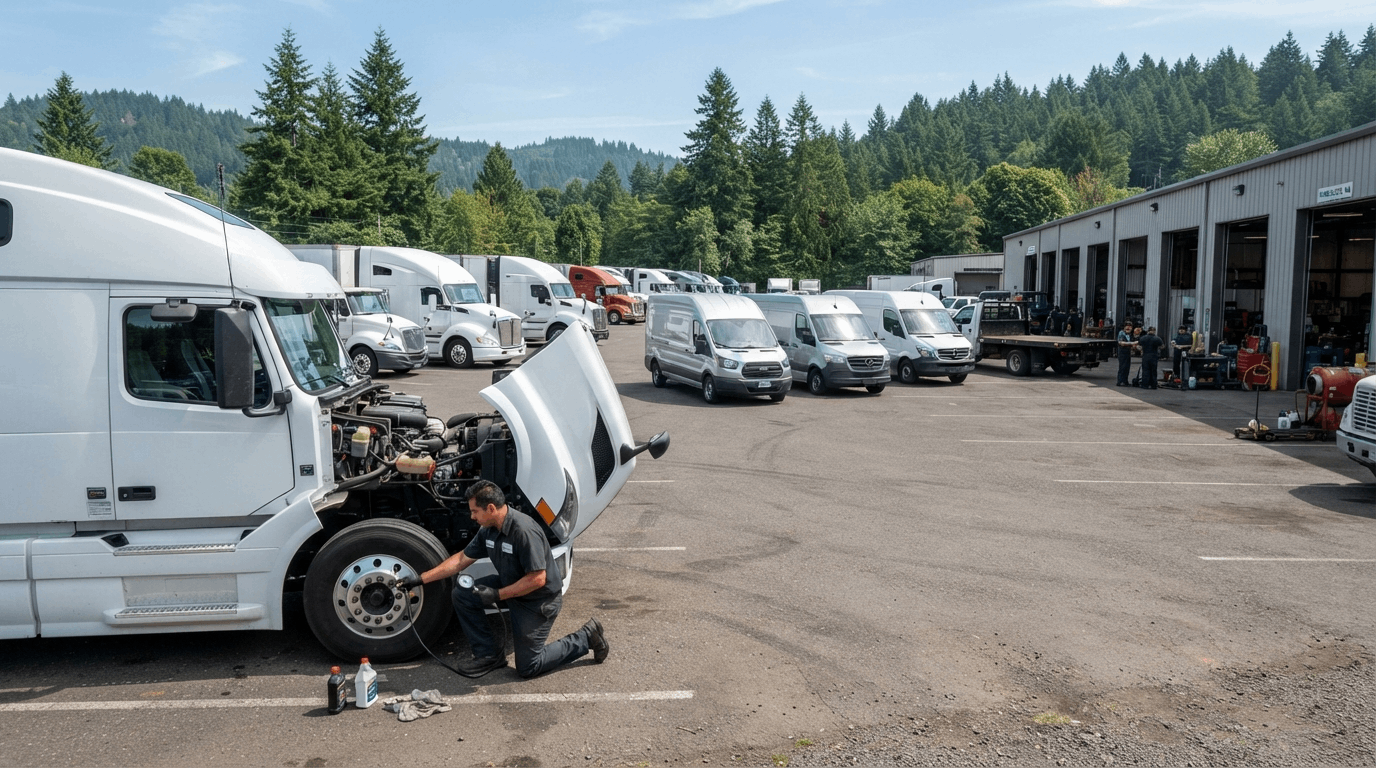
A thorough commercial vehicle inspection goes well beyond checking lights and kicking tires. Certified technicians evaluate brake system performance and chamber function, steering linkage and power steering integrity, suspension components and spring condition, tire tread depth and pressure, fuel and exhaust systems, coupling devices and fifth wheel function, and overall frame and chassis condition. This comprehensive view of vehicle health is exactly what you need to manage a fleet proactively.
The Safety Rating Consequences
FMCSA maintains safety ratings for commercial carriers, and those ratings are affected by roadside inspection outcomes, violations, and crash history. A carrier with a poor safety rating faces increased scrutiny, potential audit activity, and commercial consequences like losing shipper relationships that require minimum safety scores. Regular commercial vehicle inspection in Vancouver that catches and resolves violations before they appear during a roadside check protects your rating and the commercial relationships that depend on it.
Driver Confidence and Retention
Drivers who operate equipment they trust are more confident, more productive, and less likely to leave for an operation that takes better care of its vehicles. A culture where vehicle inspection is taken seriously sends a clear message to your team: the company cares about the equipment they’re expected to operate safely. In a tight driver labor market, that message matters.
Catching Problems Across a Fleet
Individual drivers notice some vehicle issues, but they don’t see everything, and they can’t always distinguish between normal mechanical noise and early component failure. A professional inspection creates a systematic review that looks at the same checkpoints on every vehicle in the same way. Across a fleet, this consistency reveals patterns, like a batch of trailers from the same manufacturer showing the same wear at the same interval, that you’d never catch through driver reporting alone.
Working With an Inspection Provider Who Does It Right
The value of regular vehicle inspection is only as good as the quality of the inspection itself. A genuine assessment requires technicians who understand what they’re looking for and who report findings completely rather than selectively. Companies like Avanti Fleet approach inspection with the same rigor they bring to repair work, understanding that what they find shapes what gets fixed.
Build Inspection Into Your Operations Rhythm
Commercial vehicle inspection in Vancouver is most valuable when it’s integrated into your normal operations cadence rather than treated as a separate annual event. Aligning inspections with PM intervals, seasonal equipment transitions, and pre-trip preparation for long hauls maximizes the value you get from each visit. Service stations like Avanti Fleet can help you design an inspection and maintenance schedule that fits your fleet’s actual operational patterns.