

The best Kumano Kodo routes are Nakahechi, Kohechi, Iseji, Ohechi, and Omine Okugakemichi.
The Nakahechi route is the most popular and beginner-friendly, offering well-maintained paths and village accommodations. In contrast, the Omine Okugakemichi and Kohechi routes are remote, challenging trails strictly for experienced hikers.
What Is the Kumano Kodo in Japan?
What is the Kumano Kodo?
The Kumano Kodo Japan is a network of ancient pilgrimage trails in Japan’s Kii Peninsula. Stretching across mountainous terrain, these sacred routes connect three grand shrines known as the Kumano Sanzan. It is one of only two pilgrimage routes globally recognized as a UNESCO World Heritage site.
What Are the 5 Best Kumano Kodo Routes?
Here are the five main trails that make up this historic network:
- Nakahechi (The Imperial Route): The classic, beginner-friendly path with excellent infrastructure and English signage.
- Kohechi (The Mountainous Route): A steep, challenging 70 km trail running north to south, strictly for experienced hikers.
- Iseji (The Eastern Route): A 170 km coastal and forested path connecting to the grand Ise Jingu shrine.
- Ohechi (The Coastal Route): A scenic 100 km trail offering beautiful views of the Pacific Ocean.
- Omine Okugakemichi (The Shugendo Route): The most difficult, remote, and technical mountain route, suited only for advanced wilderness trekkers.
How Do the Kumano Kodo Routes Compare?
Choosing the right trail comes down to your fitness level and available time.
| Route Name | Difficulty Level | Best Suited For | Approx. Distance |
| Nakahechi | Beginner to Moderate | First-time visitors | 85–130 km |
| Ohechi | Moderate | Scenic walkers | 100 km |
| Iseji | Moderate to Hard | Confident navigators | 170 km |
| Kohechi | Hard | Experienced hikers | 70 km |
| Omine Okugakemichi | Very Hard | Advanced trekkers | 95 km |
Why Is Choosing the Right Route Important?
Choosing the wrong route can quickly turn a fun vacation into a dangerous situation.
Many foreign tourists underestimate the Japanese mountains. Routes like Kohechi and Omine Okugakemichi feature steep elevation gains, highly technical terrain, and sudden weather changes. If you lack wilderness experience, sticking to the main paths is crucial for your safety.
Real-World Example: The Nakahechi Advantage
The Nakahechi trail is the safest option because it runs roughly parallel to local roadways.
If you suffer an injury, encounter heavy rain, or simply get exhausted, you can easily exit the trail and catch a local bus to your next guesthouse [1]. This built-in safety net is why nearly all guided tours and first-time walkers choose the Nakahechi path over the remote mountain routes.
What Are the Benefits of Hiking the Kumano Kodo?
Walking these trails offers more than just physical exercise.
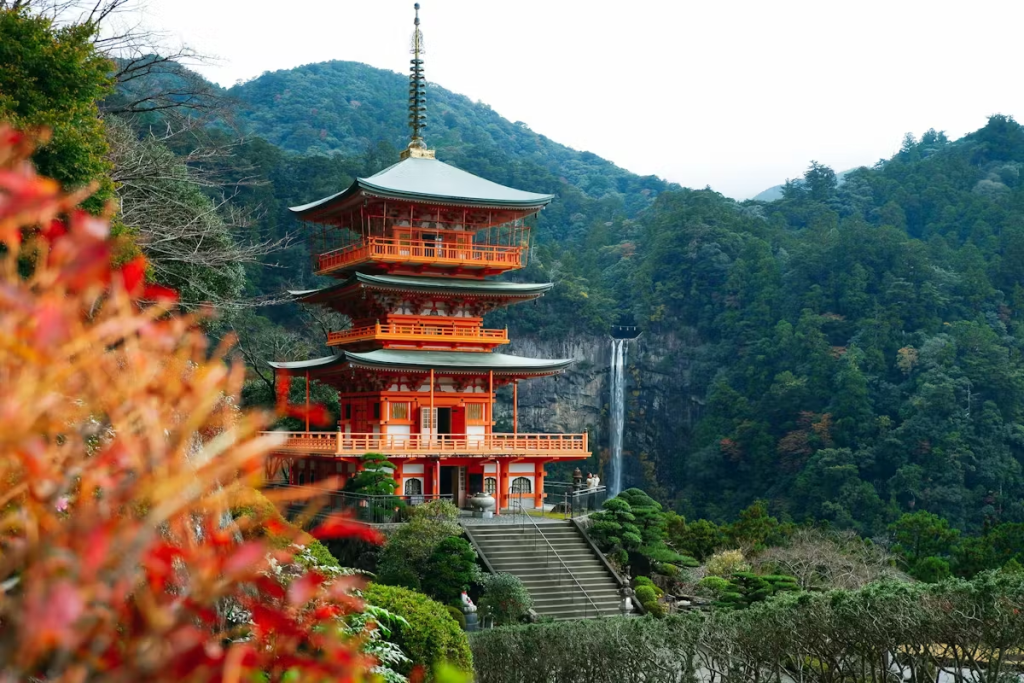
You get to experience traditional rural Japan away from the neon lights of Tokyo. You will soak in natural hot springs (onsen), eat incredible locally sourced meals at family-run guesthouses, and view breathtaking historic sites like the towering Nachi Waterfall.
What Are the Common Mistakes People Make?
Avoid these frequent errors to ensure a smooth trip:
- Overpacking: Carrying too much weight on steep inclines will ruin your knees.
- Wearing the wrong shoes: The trails feature slippery, moss-covered cobblestones. Waterproof hiking boots with good ankle support are essential.
- Skipping map research: While Nakahechi is well-marked, routes like Iseji and Kohechi require real navigation skills.
- Booking accommodation late: Guesthouses in these tiny mountain villages are limited and often book up six months in advance.
How Can Beginners Get Started?
Start by focusing entirely on the Nakahechi route.
Plan a 3-day to 5-day itinerary starting from Takijiri-oji, which is considered the traditional entrance to the sacred mountains. Book your flights into Osaka (Kansai International Airport) and take the Kuroshio Express train directly to Kii-Tanabe station to begin your trek.
Expert Tips for Better Results
Take advantage of daily luggage forwarding services.
For a small fee, local transport companies will move your heavy suitcase from one guesthouse to the next. You only need to carry a small daypack with water, snacks, and rain gear, making the steep climbs much more enjoyable.
Frequently Asked Questions
How long does it take to walk the Kumano Kodo?
It depends entirely on your chosen route. The popular Nakahechi trail takes most people 3 to 5 days to complete. However, walking the entire Iseji route can easily take over a week.
Do I need a guide for the Kumano Kodo?
You do not need a guide for the Nakahechi route, as it is heavily signposted in English. However, hiring a local guide is highly recommended for the difficult Omine Okugakemichi trail due to its remote nature.
When is the best time to hike the Kumano Kodo?
Spring (March to May) and autumn (September to November) offer the most comfortable weather. Summers are extremely hot and humid, while winters can bring dangerous snow to the higher mountain passes.
Is the Kumano Kodo safe for solo female travelers?
Yes, the Kumano Kodo is very safe for solo female hikers. The Nakahechi route is populated with friendly locals and other pilgrims, making it a secure and welcoming choice for solo trekking.
Where do you sleep on the Kumano Kodo?
Hikers usually stay in traditional Japanese guesthouses (minshuku or ryokan) located in the small villages along the trail. Most of these accommodations feature natural hot springs to help you recover.
Conclusion
Hiking the Kumano Kodo is a life-changing experience, but your enjoyment depends entirely on picking the right path. Beginners should confidently start with the famous Nakahechi route, while experienced trekkers can challenge themselves on the rugged Kohechi or Omine Okugakemichi trails. Plan your itinerary, book your accommodations early, and take advantage of luggage forwarding. Start preparing your gear today and get ready to experience Japan’s most spiritual landscape!
