Electrical breakers are among the most important safety components in any electrical system. They protect circuits, equipment, and users from the dangers associated with overloads, short circuits, and other electrical faults. Whether installed in homes, commercial facilities, or industrial environments, selecting the right breaker is essential for ensuring reliable power distribution and long-term operational safety. With numerous options available, understanding the key features that define a quality breaker can help users make informed decisions. Evaluating performance, durability, protection capabilities, and compliance standards ensures that electrical systems remain efficient, dependable, and secure.
Understanding the Role of Electrical Breakers
Electrical breakers are automatic protective devices designed to interrupt the flow of electricity when abnormal current conditions occur. Their primary purpose is to prevent damage to electrical systems and reduce safety risks.
When excessive current flows through a circuit, breakers detect the fault and disconnect the affected circuit before overheating, equipment damage, or fire hazards can develop.
Different types of breakers are available to suit varying applications, from residential circuits to large-scale industrial power distribution systems. Selecting the appropriate device depends on factors such as current ratings, fault levels, and operational requirements.
Why Breaker Quality Matters
The quality of an electrical breaker directly impacts system safety and reliability.
- Improved Protection
High-quality breakers provide accurate fault detection and rapid response during abnormal conditions.
- Reduced Downtime
Reliable operation minimizes disruptions caused by unnecessary trips or equipment failures.
- Enhanced Equipment Lifespan
Effective protection helps prevent damage to connected electrical devices and infrastructure.
- Long-Term Cost Savings
Durable breakers often require less maintenance and fewer replacements throughout their service life.
Investing in quality protection equipment contributes to safer and more efficient electrical operations.
Current Rating and Load Compatibility
One of the first factors to consider when selecting a breaker is its current rating.
- Matching Load Requirements
The breaker must be capable of handling the normal operating current of the circuit without nuisance tripping.
- Allowing for Future Expansion
Electrical systems often grow over time. Choosing equipment that accommodates future load increases can reduce upgrade costs later.
- Understanding Application Needs
Different applications require different protection capacities depending on the connected equipment and operating conditions.
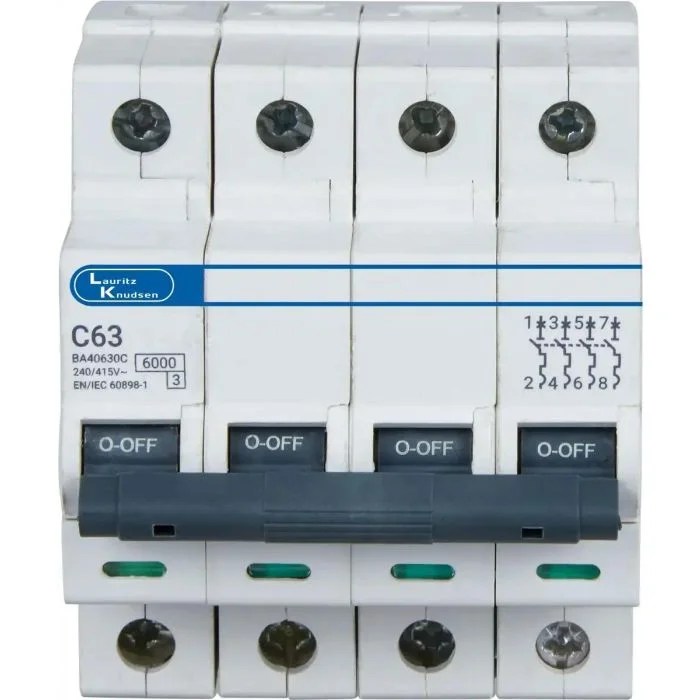
An appropriately selected electric MCB ensures that circuits remain protected while supporting reliable system performance.
Breaking Capacity
Breaking capacity refers to the maximum fault current a breaker can safely interrupt without sustaining damage.
- Importance of High Breaking Capacity
Fault currents can reach extremely high levels during short-circuit events. Breakers must be capable of safely disconnecting these currents.
- Application-Specific Requirements
Industrial facilities often require higher breaking capacities than residential installations due to larger electrical loads and fault levels.
A quality breaker should be selected based on the expected fault current conditions within the installation.
Trip Characteristics and Response Time
The speed and accuracy of breaker operation are essential for effective protection.
- Overload Protection
Breakers should respond appropriately to sustained overcurrent conditions without causing unnecessary interruptions.
- Short-Circuit Protection
Rapid fault interruption minimizes equipment damage and reduces safety risks.
- Selective Coordination
In larger systems, breakers should operate in coordination with other protective devices to isolate faults effectively.
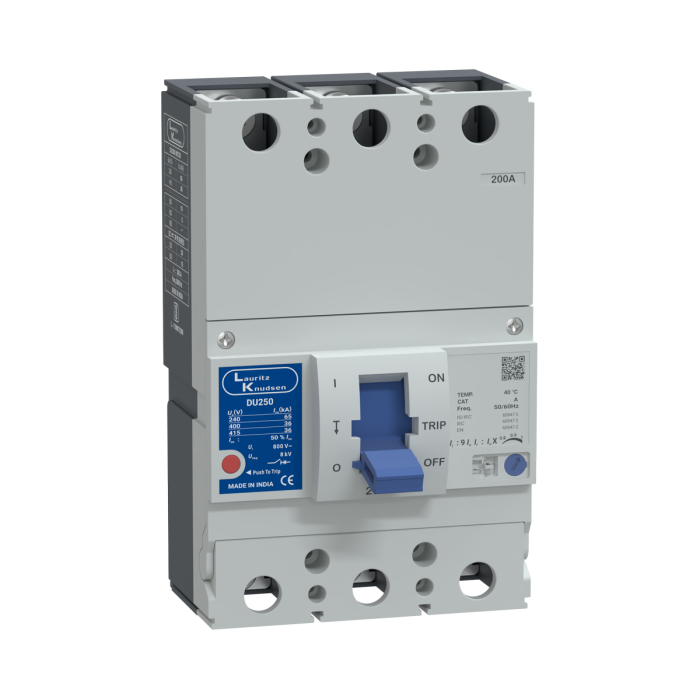
An advanced moulded case circuit breaker often provides adjustable trip settings that allow protection to be tailored to specific applications.
Durability and Mechanical Strength
Electrical breakers are expected to operate reliably over many years.
- Mechanical Endurance
Frequent switching operations require robust internal mechanisms that maintain performance over time.
- Environmental Resistance
Breakers should withstand exposure to dust, humidity, temperature fluctuations, and other environmental conditions.
- Structural Integrity
Strong construction helps protect internal components from physical damage and wear.
Durable products contribute to reduced maintenance requirements and improved operational reliability.
Thermal and Electrical Performance
Heat management is a critical aspect of breaker performance.
- Efficient Current Handling
Quality breakers are designed to carry electrical current efficiently while minimizing energy losses.
- Temperature Resistance
Reliable operation under varying temperature conditions is essential for maintaining protection performance.
- Reduced Risk of Overheating
Effective thermal management helps prevent damage to breaker components and surrounding equipment.
A well-designed electric MCB supports consistent protection even in demanding operating environments.
Safety Features to Consider
Modern breakers incorporate various safety features that enhance system protection.
- Arc Containment
Arc faults can generate significant heat and pressure. Quality breakers are designed to manage these conditions safely.
- Insulation Systems
Effective insulation helps reduce the risk of accidental electrical contact.
- Fault Indication
Visual indicators provide quick information regarding breaker status and fault conditions.
These features improve both user safety and maintenance efficiency.
Ease of Installation and Maintenance
Installation and maintenance considerations can influence long-term system performance.
- Simple Installation Procedures
User-friendly designs help reduce installation time and potential wiring errors.
- Accessibility
Accessible terminals and clearly labeled components simplify maintenance activities.
- Reduced Service Requirements
Reliable products require less frequent maintenance and inspection.
Breakers that are easy to install and maintain contribute to lower operational costs and improved efficiency.
Adaptability to Different Applications
Electrical systems vary significantly across residential, commercial, and industrial environments.
- Residential Installations
Homes typically require compact protection devices designed for lower-current applications.
- Commercial Facilities
Commercial buildings often need breakers capable of managing diverse electrical loads.
- Industrial Operations
Industrial environments demand robust protection solutions that can handle higher currents and fault levels.
A moulded case circuit breaker is commonly used in industrial and commercial applications where greater capacity and flexibility are required.
Compliance with Standards and Testing
Quality breakers should meet recognized safety and performance standards.
- Product Testing
Comprehensive testing verifies that breakers perform reliably under various operating conditions.
- Certification Requirements
Compliance with applicable standards demonstrates adherence to safety and quality requirements.
- Consistent Performance
Certified products provide greater confidence in long-term reliability and protection effectiveness.
Choosing compliant equipment helps support safer electrical installations and regulatory compliance.
Advanced Monitoring and Smart Features
Technological advancements are transforming modern breaker capabilities.
- Real-Time Monitoring
Some breakers provide data on electrical performance and operating conditions.
- Remote Diagnostics
Connected systems allow operators to monitor breaker status remotely.
- Predictive Maintenance
Advanced analytics can identify potential issues before failures occur.
These innovations improve visibility, support proactive maintenance, and enhance overall system management.
An advanced electric MCB equipped with monitoring capabilities can provide additional operational insights while maintaining reliable protection.
Common Mistakes to Avoid
Selecting the wrong breaker can compromise safety and performance.
- Incorrect Sizing
Improper current ratings can lead to nuisance tripping or inadequate protection.
- Ignoring Environmental Conditions
Failure to consider operating environments may shorten equipment lifespan.
- Overlooking Future Needs
Systems designed without expansion capacity may require costly upgrades later.
- Focusing Only on Cost
Choosing solely based on price can result in lower reliability and increased maintenance expenses.
A carefully selected moulded case circuit breaker can help avoid many of these challenges by providing flexible and dependable protection.
Conclusion
Choosing a quality electrical breaker requires careful evaluation of factors such as current rating, breaking capacity, durability, safety features, and compliance standards. Reliable breakers play a vital role in protecting electrical systems, reducing operational risks, and ensuring uninterrupted performance. By selecting products that align with specific application requirements, users can improve system efficiency, enhance safety, and achieve long-term reliability. With a strong legacy in electrical and automation solutions,Lauritz Knudsen Smartshop continues to support diverse industries and infrastructure projects through advanced technologies that contribute to safer, more efficient, and dependable electrical systems.