The hospitality industry has evolved significantly over the past few decades as travellers increasingly seek experiences that combine comfort, aesthetics, and environmental responsibility. Modern hotels, resorts, and leisure spaces are no longer designed only for luxury but also for sustainability and efficiency. As a result, hospitality architecture is undergoing a transformation driven by innovation and eco-conscious design principles. Today, many sustainable architects in india are focusing on creating hospitality spaces that reduce environmental impact while providing exceptional guest experiences.
Understanding Hospitality Architecture in the Modern Era

Hospitality architecture refers to the design and planning of buildings that serve guests and visitors, such as hotels, resorts, restaurants, spas, and entertainment venues. These spaces must be visually appealing, functional, and capable of providing a comfortable environment for guests from diverse backgrounds.
In recent years, the concept of hospitality architecture has expanded to include sustainability as a core design principle. Buildings are now designed to use natural resources efficiently, reduce energy consumption, and create healthier indoor environments. Leading sustainable architects in india are combining modern architectural techniques with environmentally responsible practices to create hospitality spaces that meet the needs of both guests and the planet.
The Importance of Sustainability in Hospitality Design
Sustainability has become a major priority in the global hospitality industry. Hotels and resorts consume large amounts of energy and resources, making it essential to adopt environmentally friendly design practices. Sustainable design helps reduce operational costs while also contributing to environmental protection.
Many sustainable architects in india are integrating renewable energy systems, water conservation technologies, and eco-friendly materials into hospitality projects. By focusing on sustainable solutions, architects are helping the hospitality sector reduce its carbon footprint while maintaining high standards of comfort and luxury.
Sustainable hospitality architecture also enhances the overall guest experience. Travellers are increasingly choosing accommodations that demonstrate environmental responsibility, making sustainability a valuable asset for hospitality businesses.
Innovative Design Approaches in Hospitality Architecture
Modern hospitality architecture is characterised by innovative design approaches that blend aesthetics with functionality. Architects are creating spaces that reflect local culture, natural surroundings, and modern design trends.
One common approach used by sustainable architects in india is biophilic design, which connects indoor spaces with nature. Large windows, natural lighting, green walls, and landscaped courtyards create a relaxing environment that improves guest well-being.
Another design strategy involves using locally sourced materials to reduce transportation costs and support regional craftsmanship. These materials not only enhance sustainability but also add cultural authenticity to hospitality projects.
Energy Efficiency and Smart Building Technology
Energy efficiency is a key element of sustainable hospitality architecture. Hotels and resorts operate around the clock, making energy consumption a significant concern for developers and operators.
Leading sustainable architects in india incorporate energy-efficient technologies such as solar panels, smart lighting systems, and advanced insulation methods. These technologies reduce energy consumption while maintaining a comfortable environment for guests.
Smart building technology also plays an important role in modern hospitality architecture. Automated systems can monitor and control lighting, temperature, and ventilation to ensure optimal efficiency. This approach not only reduces energy costs but also enhances operational management for hospitality businesses.
Water Conservation in Hospitality Architecture
Water management is another critical aspect of sustainable hospitality design. Hotels and resorts require large amounts of water for guest services, landscaping, and maintenance activities.
To address this challenge, sustainable architects in india often incorporate water-saving technologies such as rainwater harvesting systems, low-flow plumbing fixtures, and wastewater recycling systems. These solutions reduce water consumption and ensure responsible use of natural resources.
Water-efficient designs are becoming an essential component of hospitality architecture, especially in regions where water scarcity is a concern. By adopting these practices, hospitality businesses can operate more sustainably while supporting environmental conservation.
The Role of Landscape and Environmental Integration
Successful hospitality architecture often integrates buildings with their surrounding environment. Instead of altering the natural landscape, modern architects aim to design structures that complement and enhance their surroundings.
Many sustainable architects in india focus on preserving existing vegetation, incorporating natural terrain features, and creating outdoor spaces that blend seamlessly with nature. Landscaped gardens, outdoor seating areas, and eco-friendly pathways improve the overall guest experience while maintaining ecological balance.
This approach not only enhances the visual appeal of hospitality spaces but also supports biodiversity and environmental sustainability.
Enhancing Guest Experience Through Sustainable Design
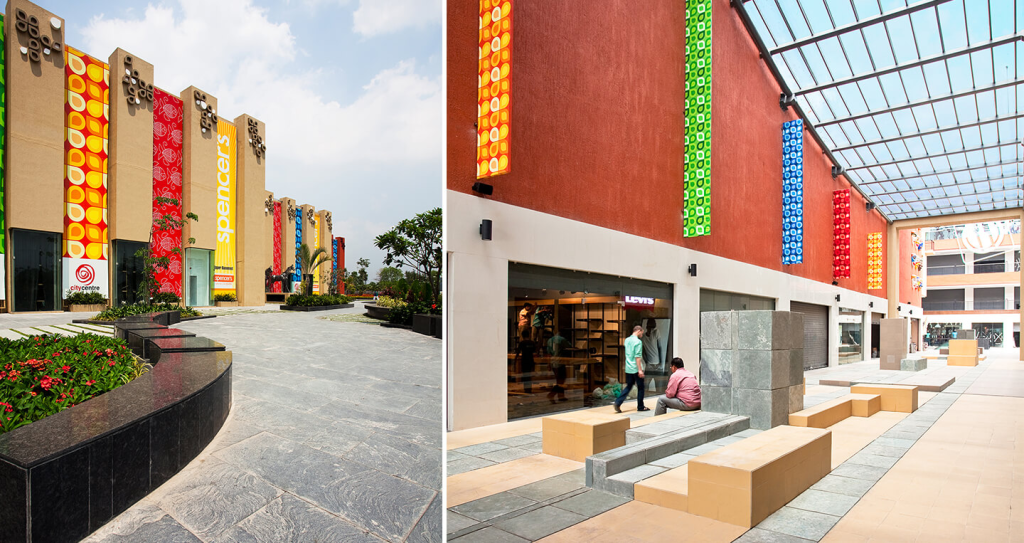
Sustainable design does more than protect the environment; it also improves the quality of the guest experience. Well-designed spaces with natural ventilation, abundant daylight, and eco-friendly materials create healthier and more comfortable environments for visitors.
Modern travellers appreciate hotels and resorts that demonstrate environmental responsibility. By integrating sustainable features into hospitality architecture, businesses can attract environmentally conscious guests while improving brand reputation.
Many sustainable architects in india emphasize the importance of creating spaces that combine luxury with sustainability. This approach ensures that hospitality projects meet both environmental goals and guest expectations.
The Future of Hospitality Architecture in India
The future of hospitality architecture in India is closely linked to sustainable development. As environmental awareness grows and regulations become stricter, the demand for eco-friendly hospitality spaces will continue to increase.
Leading sustainable architects in india are expected to play a crucial role in shaping this future. By adopting innovative technologies, sustainable materials, and climate-responsive design strategies, architects can create hospitality projects that are both environmentally responsible and economically viable.
Sustainable hospitality design will likely focus on energy independence, zero-waste operations, and climate-resilient construction methods. These advancements will help the hospitality industry adapt to changing environmental conditions while maintaining high standards of comfort and luxury.
Conclusion
The hospitality industry is entering a new era where sustainability and innovation are central to architectural design. Modern hospitality architecture is no longer limited to creating visually appealing spaces; it now emphasises environmental responsibility, energy efficiency, and long-term sustainability.With the expertise of leading sustainable architects in india, hospitality projects are becoming more eco-friendly while continuing to deliver exceptional guest experiences. By combining advanced design strategies with sustainable practices, architects are helping the hospitality sector build a greener and more responsible future. Organisations and developers seeking innovative and environmentally conscious design solutions can benefit from the expertise and vision of Morphogenesis, a leader in sustainable architectural design.