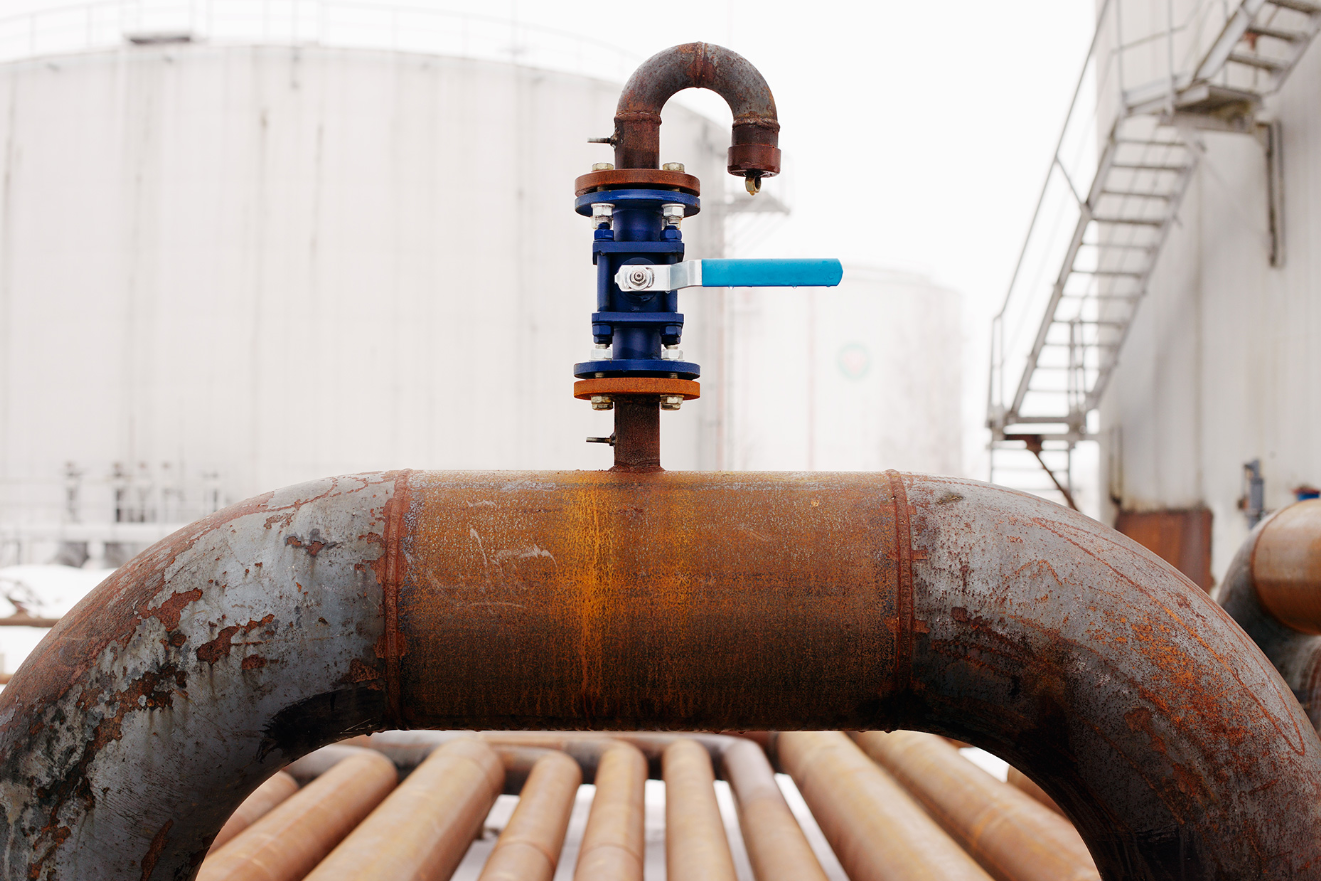
In industries such as oil & gas, and infrastructure, corrosion is one of the most persistent and costly threats. When metal assets deteriorate, they don’t just lose efficiency—they can fail unexpectedly, leading to leaks, shutdowns, safety incidents, and massive financial losses.
This is why implementing a proactive Corrosion Management Plan is essential for any organization that wants to protect its operations, maximize asset life, and maintain compliance with safety standards. A well-designed plan identifies corrosion risks before they escalate, ensuring timely interventions that reduce downtime and extend the lifespan of critical equipment.
Proactive Corrosion Strategy
A proactive corrosion strategy goes far beyond routine maintenance.
- It focuses on anticipating problems rather than reacting to them.
- This involves understanding environmental conditions, material vulnerabilities, operating temperature, chemical exposure, and how these factors combine to accelerate corrosion.
- By monitoring and analyzing these parameters, industries can categorize their assets based on risk levels and prioritize inspection activities accordingly.
The result is a more efficient allocation of resources and a significant reduction in unplanned failures.
A strong corrosion management framework typically begins with a full asset assessment. This includes reviewing materials of construction, operating patterns, corrosion history, and inspection reports.
From there, organizations develop a detailed corrosion monitoring system—one that may include sensors, inspection schedules, corrosion coupons, ultrasonic thickness testing, and real-time data acquisition tools. These technologies allow teams to maintain visibility across pipelines, tanks, structural components, and offshore platforms, enabling early detection of material degradation.
Clear mitigation strategies
Another essential component is implementing clear mitigation strategies. This may involve protective coatings, cathodic protection systems, chemical inhibitors, or environmental controls designed to slow corrosion processes. When combined with data-driven insights, these mitigation measures ensure assets remain in optimal condition. Training and competency development also play a critical role. Personnel must be able to recognize early signs of corrosion, follow the company’s corrosion control procedures, and respond quickly to potential risks. When teams understand the full corrosion lifecycle, organizations can prevent small issues from turning into major operational crises.
Documentation
In addition to technical measures, documentation and continuous improvement are vital elements of a successful corrosion management approach. Companies must track inspection results, maintenance activities, failure trends, costs, and compliance requirements. Over time, this data helps refine strategies, enhance prediction accuracy, and support informed decision-making. A proactive Corrosion Management Plan ultimately becomes a long-term investment—one that promotes reliability, safety, and consistent operational performance.
In regions experiencing rapid industrial growth, such as the Middle East, corrosion risks are heightened due to harsh climates, high humidity, and aggressive operating environments. Therefore, having a structured Corrosion Management Plan in Qatar is critical for companies seeking to minimize asset failure and ensure the resilience of their operations. Organizations like Cormat Group support industries by delivering tailored corrosion control solutions, advanced monitoring methods, and expert engineering guidance—helping businesses protect their assets, reduce downtime, and achieve long-term operational excellence.