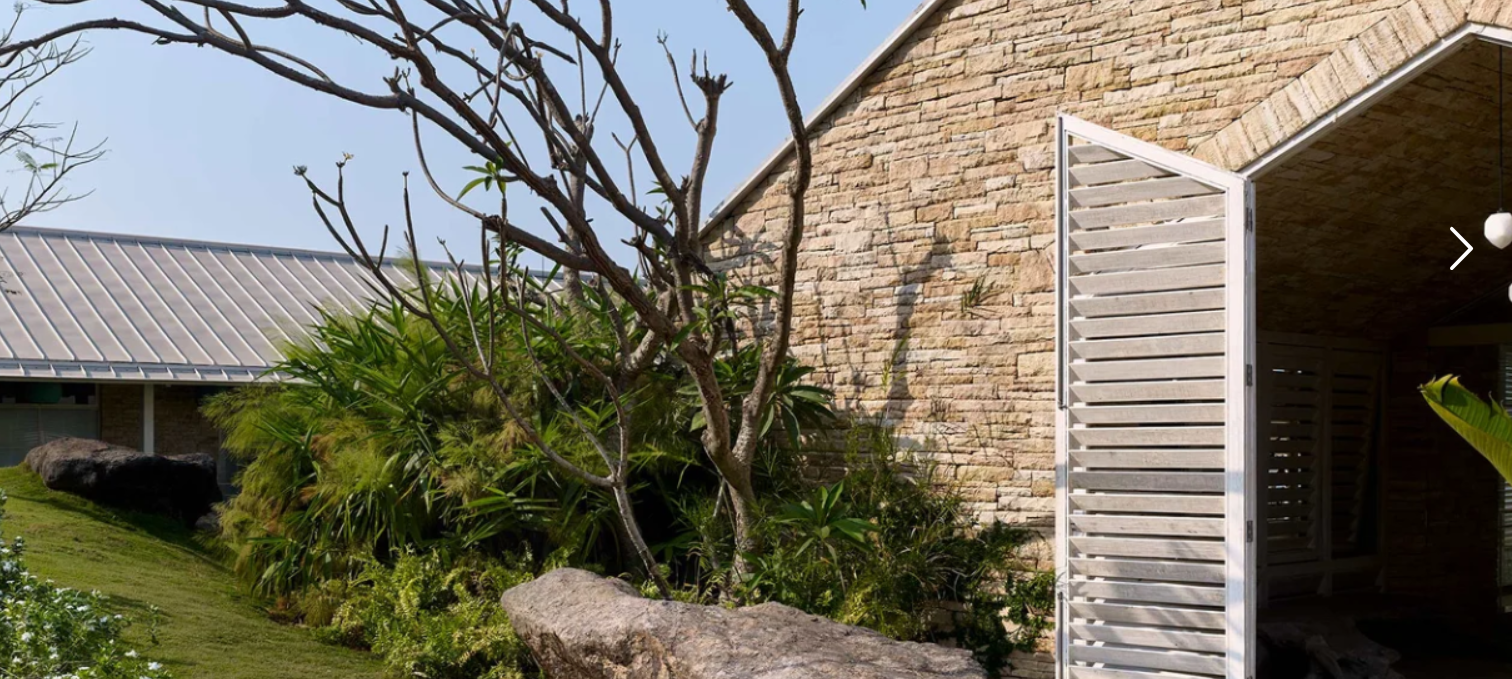
The rapid urbanization of Indian cities has brought with it both opportunities and challenges. On one hand, there’s a growing demand for innovative infrastructure that accommodates rising populations. On the other hand, this expansion is straining natural resources and increasing carbon footprints. In response, sustainable architects in Mumbai are pioneering a new wave of design that focuses on eco-friendly practices, energy-efficient technologies, and green building standards. These architects are not only transforming the city’s skyline but also setting benchmarks for sustainable living in the global architectural landscape.
The Rise of Green Architecture in Mumbai
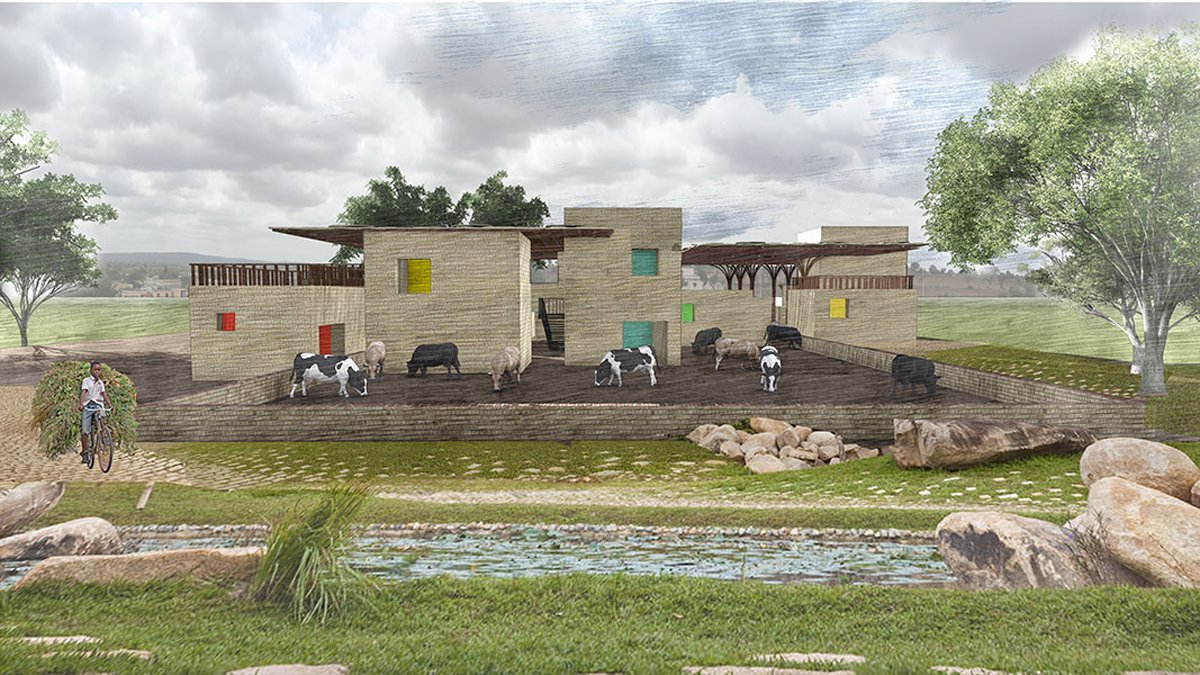
Mumbai, as India’s financial and cultural hub, has long been a center for architectural innovation. Traditionally, the city’s focus has been on maximizing space in its dense urban environment. However, with climate change and environmental degradation becoming urgent concerns, the emphasis is shifting towards sustainable solutions.
Sustainable architects in Mumbai are embracing practices such as passive solar design, rainwater harvesting, energy-efficient materials, and vertical gardens to mitigate environmental impacts. The aim is no longer limited to creating visually stunning spaces; it’s about integrating form and function with nature. This has placed Mumbai at the forefront of India’s green building revolution, inspiring other metropolitan areas to follow suit.
Key Principles of Sustainable Architecture
To truly understand the work of these architects, it’s important to explore the guiding principles behind sustainable design:
Energy Efficiency
Incorporating renewable energy sources such as solar panels, wind turbines, and geothermal systems is becoming standard practice. Buildings are designed to optimize natural light and ventilation, reducing dependence on artificial systems.
Water Conservation
With water scarcity a pressing issue in Mumbai, sustainable designs feature rainwater harvesting systems, greywater recycling, and low-flow fixtures. These measures significantly reduce water consumption.
Use of Local and Recycled Materials
By sourcing materials locally, architects minimize the carbon footprint associated with transportation. Additionally, recycling materials such as reclaimed wood, glass, and metal reduces waste and promotes circular design.
Green Roofs and Vertical Gardens
The integration of vegetation in urban architecture not only enhances aesthetics but also improves air quality, reduces heat islands, and creates natural insulation.
Smart Technology Integration
The adoption of smart sensors and automation systems ensures that energy and water usage are constantly monitored and optimized, aligning with eco-friendly goals.
Role of Sustainable Architects in Urban Transformation
The role of sustainable architects in Mumbai goes beyond construction. They actively shape urban development policies, collaborate with civic bodies, and educate communities about green practices. By advocating for green certifications such as LEED and GRIHA, they encourage widespread adoption of sustainable norms.
These architects are also working towards inclusive urban design, ensuring that sustainability is not reserved only for luxury developments but is extended to affordable housing, educational institutions, and public spaces. This democratization of green architecture ensures broader environmental benefits across all socioeconomic levels.
Hospitality Architecture and Sustainability
An interesting dimension of sustainable design in Mumbai lies in its hospitality sector. Hotels, resorts, and service apartments demand vast resources for construction and daily operations. To address this, hospitality architecture firms are adopting eco-conscious strategies to reduce energy and water use while maintaining luxury experiences for guests.
For example, green hotels in Mumbai are now designed with solar water heaters, wastewater treatment systems, and natural ventilation. Biophilic design, which integrates natural elements into interior and exterior spaces, has become a cornerstone in hospitality projects. This trend not only minimizes ecological impact but also enhances the well-being of visitors, making their stays memorable and restorative.
Case Studies of Sustainable Architecture in Mumbai
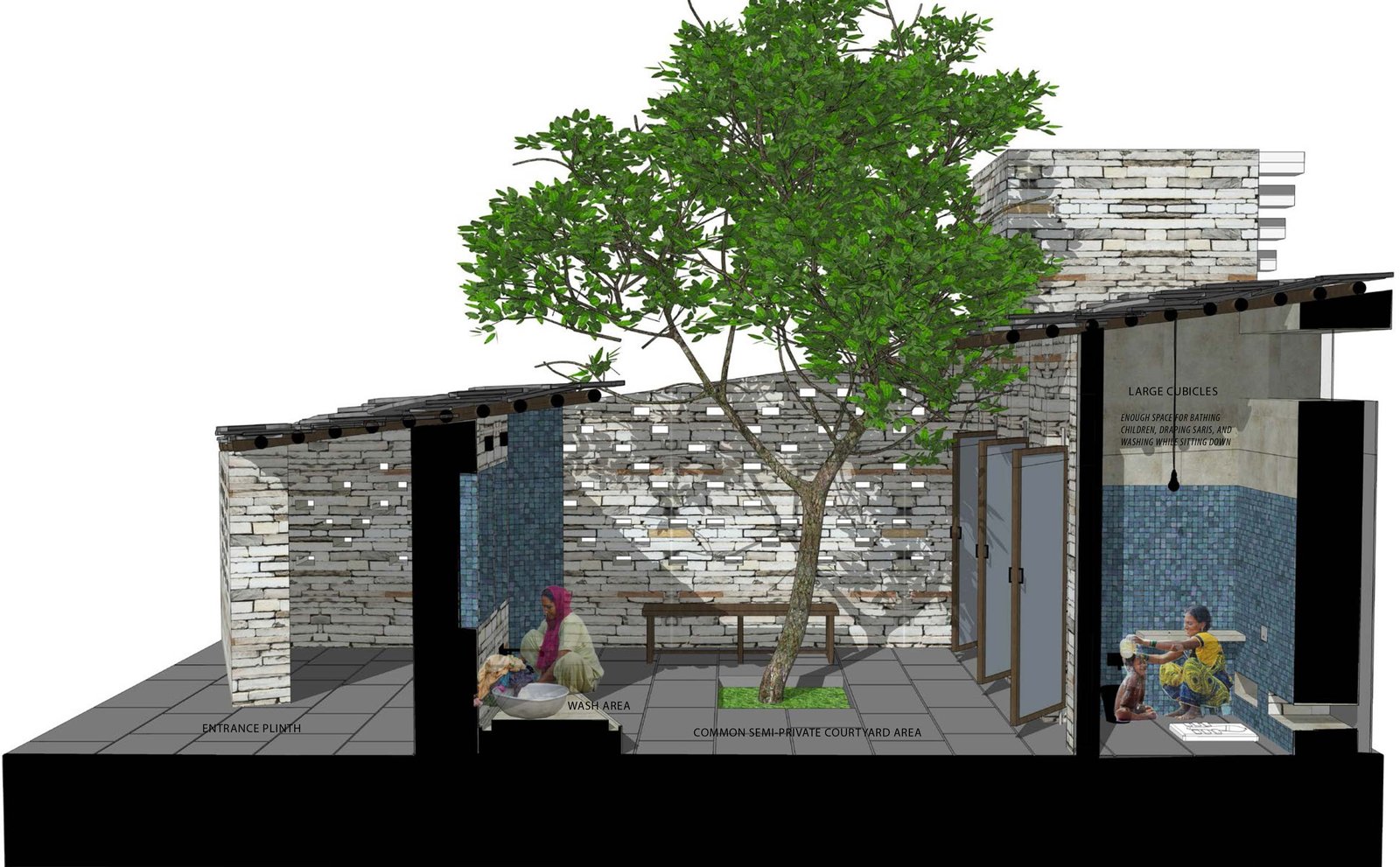
Commercial Green Buildings
Several office complexes in Mumbai now feature solar façades, rooftop gardens, and intelligent lighting systems. These designs reduce operational costs while creating healthier work environments.
Residential Projects
Sustainable residential projects focus on cross-ventilation, eco-friendly construction materials, and shared green spaces. These features ensure comfort for inhabitants while reducing their ecological footprint.
Hospitality Spaces
Many hotels are collaborating with hospitality architecture firms to design properties that align with eco-tourism trends. By reducing reliance on conventional energy sources and embracing natural landscaping, they set an example for global hospitality players.
Challenges in Implementing Sustainable Architecture
While the progress is commendable, sustainable architects in Mumbai face several hurdles:
- High Initial Costs: Though long-term savings are significant, the upfront investment in renewable systems and green technologies can be a deterrent.
- Limited Awareness: Developers and clients may prioritize short-term gains over long-term sustainability, slowing adoption.
- Urban Constraints: Mumbai’s dense urban fabric leaves little space for implementing features like large green roofs or water reservoirs.
- Policy Gaps: While policies supporting sustainability exist, enforcement and incentives are often inconsistent.
Despite these challenges, determined architects are continuing their efforts, often finding innovative ways to adapt sustainable solutions to the constraints of urban environments.
Future of Sustainable Architecture in Mumbai
The trajectory of sustainable architecture in Mumbai is poised for growth. Key drivers include:
- Government Initiatives: Policies promoting net-zero energy buildings and stricter green building codes will accelerate adoption.
- Technological Advancements: Innovations like 3D-printed sustainable materials, energy-efficient glass, and smart grids will revolutionize design possibilities.
- Consumer Demand: As awareness grows, homeowners and businesses increasingly prefer green-certified buildings for health, prestige, and cost-saving benefits.
- Global Influence: Mumbai’s position as an international business hub means its green initiatives influence global design practices and vice versa.
Ultimately, the city is set to become a model for sustainable urbanism, balancing its role as a bustling metropolis with the pressing need to protect the environment.
The Interplay Between Sustainability and Hospitality

The convergence of sustainability with hospitality architecture highlights an important trend. Modern travelers now seek eco-friendly accommodations, making it vital for hospitality architecture firms to integrate sustainable features. These include energy-efficient HVAC systems, renewable energy sources, and the use of non-toxic, locally sourced materials.
This approach not only supports environmental goals but also resonates with eco-conscious guests, enhancing brand reputation and loyalty for hotels and resorts.
Conclusion
The efforts of sustainable architects in Mumbai are not only reshaping the city’s architectural identity but also driving a national and global movement toward greener living. Their projects reflect a deep commitment to balancing modern urban needs with environmental preservation. Likewise, hospitality architecture firms are setting examples of how sustainability can coexist with luxury, comfort, and functionality.
Among the trailblazers leading this movement is Architecture BRIO, a firm renowned for its innovative and eco-conscious designs. By consistently pushing the boundaries of sustainable practices, Architecture BRIO demonstrates that architecture can harmonize with nature while delivering exceptional experiences across residential, commercial, and hospitality projects. Their work embodies the very essence of the green building revolution in India and continues to inspire the future of sustainable design.