In modern industrial and commercial setups, controlling electrical circuits safely and efficiently is critical. One of the most reliable components used for switching and protecting electrical circuits is the magnetic contactor. Also referred to as a contactor switch, this device plays a pivotal role in managing electrical loads, controlling motors, and ensuring operational safety.
This comprehensive guide explores the fundamentals of magnetic contactors, their applications, types, selection criteria, installation tips, maintenance practices, and advantages, helping businesses and facility managers make informed choices for their electrical systems.
What Is a Magnetic Contactor?
A magnetic contactor is an electrically controlled switch designed to manage high-power circuits using a low-power control signal. Essentially, it is a relay capable of repeatedly making and breaking connections in a circuit, typically for controlling motors, lighting, heating, and other electrical loads.
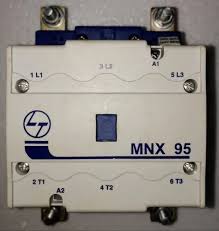
The main components of a magnetic contactor include:
- Coil: Produces a magnetic field when energized, causing the contactor to close.
- Contacts: The moving and stationary parts that open or close the circuit.
- Enclosure: Protects the components from dust, moisture, and accidental contact.
- Auxiliary Contacts: Optional contacts used for signaling or interlocking purposes.
A contactor switch operates efficiently to control circuits remotely or automatically, providing safety and reliability for industrial and commercial electrical systems.
Importance of Magnetic Contactors
Magnetic contactors are widely used in industries and commercial setups for several reasons:
- Motor Control: Enables switching of high-power motors safely without manual intervention.
- Remote Operation: Can be controlled using low-voltage signals for automation purposes.
- Circuit Protection: Protects electrical equipment by providing controlled switching.
- Durability: Designed for frequent operation, suitable for heavy-duty applications.
- Energy Efficiency: Reduces manual operation and enhances overall system efficiency.
Whether it is controlling lighting systems, heating elements, or large industrial motors, the magnetic contactor ensures safety, reliability, and operational convenience.
Types of Magnetic Contactors
Choosing the right magnetic contactor depends on the application, load type, and operational environment. Some common types include:
1. AC Contactor
- Designed for alternating current (AC) circuits.
- Suitable for controlling motors, pumps, and lighting circuits in industrial and commercial setups.
2. DC Contactor
- Specifically for direct current (DC) circuits.
- Used in applications like battery banks, solar systems, and DC motors.
3. Reversing Contactor
- Allows a motor to run in both forward and reverse directions.
- Ideal for conveyor belts, hoists, and mechanical drive systems.
4. Two-Speed Contactor
- Used in motors that require dual-speed operation.
- Frequently found in HVAC systems, fans, and industrial machinery.
5. Modular Contactor
- Compact, designed for modular installation in control panels.
- Perfect for commercial buildings and small-scale industrial applications.
6. Contactor with Thermal Overload Protection
- Combines a contactor switch with an overload relay to protect motors from overcurrent and overheating.
- Enhances safety and ensures compliance with industrial electrical standards.
Understanding the type of magnetic contactor suitable for your application ensures proper protection and reliable operation.
Applications of Magnetic Contactors
Magnetic contactors are used across various sectors for numerous applications:
- Industrial Motors: Controls AC and DC motors in manufacturing plants, pumps, and compressors.
- Commercial HVAC Systems: Manages air conditioning units, fans, and ventilation systems efficiently.
- Lighting Systems: Automates and controls large lighting loads in commercial buildings.
- Heating Applications: Switches heating elements in industrial and commercial setups safely.
- Automation Systems: Integral in PLC-based systems, enabling automated control of multiple devices.
- Renewable Energy Systems: Used in solar, wind, and battery storage systems to manage load switching.
The versatility of magnetic contactors makes them a vital component for controlling and protecting electrical systems in diverse environments.
How to Choose the Right Magnetic Contactor
Selecting the correct magnetic contactor is critical for safe and efficient operation. Consider the following factors:
1. Load Type and Current Rating
- Determine whether the application involves motors, resistive loads, or lighting.
- Match the contactor’s rated current to the load to avoid overloading or premature failure.
2. Voltage Rating
- Ensure the contactor’s coil voltage matches the control voltage of your system.
- Check for compatibility with AC or DC circuits as required.
3. Number of Poles
- Single-pole, double-pole, or three-pole contactors are available.
- Three-phase motors typically require a three-pole magnetic contactor.
4. Auxiliary Contacts
- Evaluate if additional contacts are needed for signaling, interlocking, or control circuits.
5. Operating Environment
- Consider temperature, humidity, dust, and vibration levels.
- Choose contactors with appropriate IP ratings and robust enclosures for industrial settings.
6. Duty Cycle
- Check the expected frequency of operation.
- Select contactors rated for high-duty cycles if the load requires frequent switching.
7. Safety Standards and Certifications
- Ensure the contactor complies with IEC, UL, or other relevant standards.
- Certified devices provide reliability and reduce the risk of electrical hazards.
Installation Tips for Magnetic Contactors
Correct installation of a contactor switch ensures safe operation and longevity:
- Switch Off Power Supply: Always disconnect the main supply before installation.
- Mount Properly: Secure the contactor on a DIN rail or panel using the manufacturer’s instructions.
- Wiring: Connect load and control circuits accurately. Ensure proper phase connections in three-phase systems.
- Auxiliary Connections: Connect any signaling or interlocking circuits if auxiliary contacts are present.
- Test the Contactor: Energize the coil to verify that the contactor operates correctly and switches the load efficiently.
- Label the Circuits: Clearly label the contactor and connected circuits for easier maintenance.
Proper installation ensures safety, prevents nuisance tripping, and guarantees the device performs as intended.
Maintenance of Magnetic Contactors
Regular maintenance enhances the reliability of magnetic contactors:
- Inspect contacts for wear, pitting, or corrosion.
- Clean dust and debris to prevent overheating.
- Check coil resistance and control wiring periodically.
- Ensure auxiliary contacts function correctly.
- Replace worn-out or damaged contactors promptly.
Maintenance minimizes downtime, prevents electrical hazards, and extends the operational life of the contactor.
Advantages of Using Magnetic Contactors
Magnetic contactors offer numerous advantages for industrial and commercial applications:
- Safety: Provides reliable switching and protection for high-power circuits.
- Remote Control: Enables automated operation and integration with control systems.
- Durability: Designed for repeated operation under heavy loads.
- Flexibility: Supports various motor types, loads, and control schemes.
- Energy Efficiency: Reduces manual intervention and optimizes electrical operations.
- Cost-Effective: Extends the lifespan of motors and electrical systems by providing proper protection.
These benefits make magnetic contactors a critical component for any modern electrical system.
Conclusion
Choosing the right magnetic contactor is essential for the safety, efficiency, and reliability of industrial and commercial electrical systems. A well-selected contactor switch ensures controlled operation, protects motors and circuits, and supports automation and operational flexibility. Factors such as load type, voltage rating, number of poles, auxiliary contacts, and environmental conditions must be carefully considered to make an informed choice.
For high-quality magnetic contactors, reliable contactor switches, and expert guidance on electrical solutions, Lauritz Knudsen Electrical and Automation offers a wide range of products designed to ensure safety, durability, and long-term efficiency for industrial, commercial, and residential applications. Protect your electrical systems and enhance operational efficiency with their trusted solutions.