

The design of educational spaces has evolved significantly in recent decades. No longer limited to basic classrooms and corridors, modern schools, universities, and training centers are now thoughtfully planned to stimulate creativity, foster collaboration, and provide a conducive environment for both students and educators. Education architecture firms are at the forefront of this transformation, integrating new technologies, sustainable practices, and learner-centric design philosophies to create spaces that go beyond traditional learning.
Interestingly, the design innovation seen in the education sector often mirrors the creativity found in other domains, such as hospitality. The visionary work of hospitality architect firms in crafting engaging, immersive, and functional spaces has influenced how education spaces are imagined. By borrowing techniques from hospitality design—such as attention to atmosphere, lighting, and human interaction—educational architects have elevated learning environments into places that inspire.
Shifting from Teacher-Centered to Learner-Centered Spaces

One of the most significant changes led by education architecture firms is the shift from static, teacher-centered classrooms to dynamic, learner-centered environments. In traditional setups, the teacher’s desk was at the focal point, with rows of desks facing forward. Modern learning spaces, however, prioritize flexibility, allowing students to take ownership of their learning.
Movable furniture, open-plan layouts, and multi-purpose rooms support collaborative activities, group discussions, and project-based learning. This flexibility encourages interaction, creativity, and adaptability—skills that are vital in today’s rapidly evolving world.
Integrating Technology Seamlessly

The digital revolution has transformed how students access and engage with information. Education architecture firms are designing spaces that integrate technology without making it feel forced or intrusive. Interactive whiteboards, integrated projectors, high-speed internet connectivity, and smart classrooms are now standard features in many institutions.
Beyond classrooms, technology integration extends to libraries, laboratories, and even outdoor spaces. The goal is to ensure that students have the tools they need to research, communicate, and collaborate anytime and anywhere. This seamless blending of technology fosters digital literacy while enhancing learning outcomes.
Creating Multi-Functional and Adaptive Spaces
Flexibility is not just about movable furniture; it’s about spaces that can serve multiple purposes. A single room may function as a classroom in the morning, a collaborative project lab in the afternoon, and a community meeting hall in the evening.
This adaptability not only maximizes the use of space but also promotes inclusivity by making educational facilities available for various groups and activities. Drawing inspiration from hospitality architect firms, education designers often incorporate modular designs and convertible layouts, ensuring that no square foot goes unused.
Prioritizing Well-Being through Biophilic Design
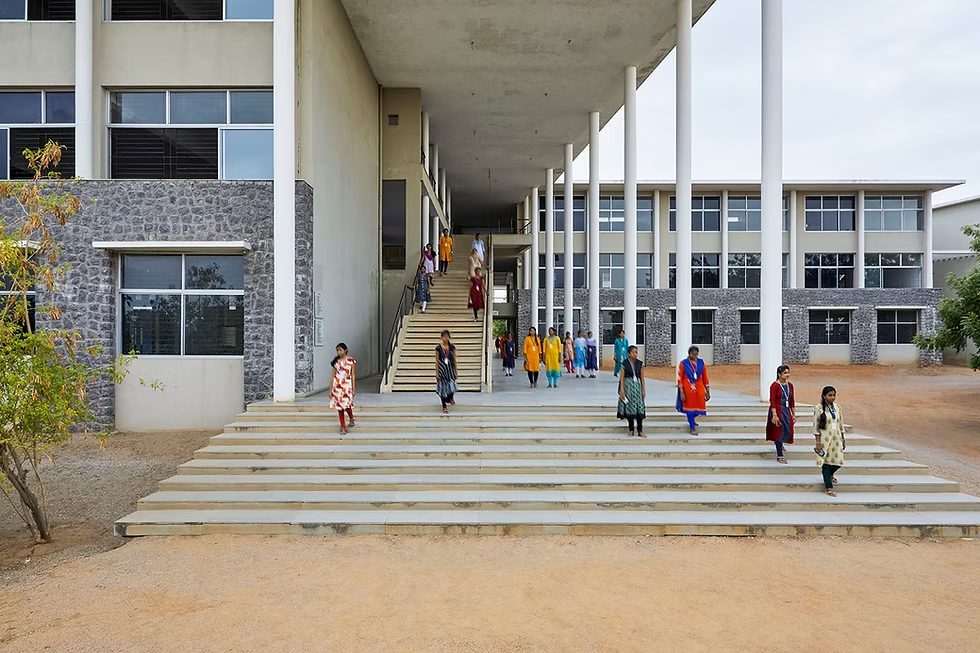
Studies show that exposure to nature improves concentration, reduces stress, and enhances overall well-being. Many education architecture firms are embracing biophilic design principles—integrating natural light, greenery, and outdoor views into learning environments.
Large windows, indoor gardens, courtyards, and green walls are now common features in schools. These design elements not only make spaces visually appealing but also promote better mental health and academic performance among students. In some cases, outdoor classrooms are being introduced, allowing lessons to take place in natural settings, which is particularly effective for environmental and experiential learning.
Emphasizing Sustainability and Eco-Friendly Practices
Sustainability is no longer a trend—it’s a necessity. Education architecture firms are leading the way in designing eco-friendly schools that reduce environmental impact and teach students the value of sustainability through example.
This includes the use of renewable energy sources, rainwater harvesting systems, solar panels, energy-efficient lighting, and sustainable building materials. Some institutions are even achieving green building certifications, proving their commitment to environmental stewardship.
By aligning sustainable practices with education, these firms create not just eco-friendly buildings but also environmentally conscious generations.
Designing for Inclusivity and Accessibility
An inclusive learning environment is one where every student—regardless of physical ability, learning style, or cultural background—feels welcome. Education architecture firms are incorporating universal design principles to ensure accessibility for all.
This means ramps, elevators, adjustable desks, visual aids, and sound enhancement systems for students with special needs. Spaces are also being designed to cater to different learning styles, with quiet zones for focused study, collaborative areas for group work, and creative zones for hands-on experimentation.
Learning Beyond the Classroom
Modern education extends far beyond textbooks and classrooms. Informal learning spaces—such as lounges, breakout zones, and outdoor seating areas—play an important role in student engagement.
Inspired by the hospitality sector, these spaces are designed to be comfortable, inviting, and conducive to casual interaction. Just as hospitality architect firms design hotel lobbies and lounges to encourage socialization, education architects use similar principles to foster peer-to-peer learning and mentorship.
Encouraging Community Engagement
Educational institutions are increasingly becoming hubs for community activities. Schools are no longer closed spaces reserved solely for students; they now host workshops, cultural events, and local initiatives.
Education architecture firms design facilities that can easily transition between academic use and community engagement. Auditoriums, multipurpose halls, and open courtyards often serve both students and residents, strengthening the school’s role in society.
Incorporating Cultural Identity into Design
Cultural relevance in educational spaces fosters a sense of belonging and pride. Architects are integrating local art, history, and traditions into their designs, ensuring that learning environments reflect the identity of the community they serve.
This approach is closely tied to the work of a culture architect—a designer who understands how space can embody and preserve cultural heritage while still meeting modern needs. By embedding cultural elements into the design, education spaces become not just centers of learning, but also symbols of community pride.
Cross-Pollination of Design Ideas from Hospitality to Education
The hospitality sector is known for designing spaces that engage the senses, promote relaxation, and encourage interaction. These qualities are equally valuable in educational settings.
For example, lighting strategies used in hotels to create ambiance are now being adapted in classrooms to improve concentration. Similarly, wayfinding techniques from hospitality projects are helping students and visitors navigate large campuses with ease.
The collaboration and shared inspiration between education architecture firms and hospitality architect firms have resulted in learning spaces that are more vibrant, functional, and welcoming than ever before.
Future Trends in Educational Architecture
Looking ahead, several trends are set to shape the work of education architects:
- Hybrid Learning Spaces – Designed for both in-person and virtual learning.
- Immersive Technology Integration – AR and VR for experiential education.
- Wellness-Centric Campuses – Spaces that integrate fitness, mindfulness, and mental health facilities.
- Global Collaboration Zones – Areas equipped for cross-border learning and real-time cultural exchange.
These future-forward designs will continue to be inspired by the same human-centered approach that drives innovation in both education and hospitality architecture.
Conclusion
The transformation of learning spaces is not just about aesthetic upgrades—it’s about rethinking how the built environment influences education. Education architecture firms are reimagining schools as dynamic, inclusive, and technology-rich hubs that nurture creativity, collaboration, and well-being.
The cross-industry exchange of ideas—particularly the influence of hospitality architect firms—has led to more engaging and culturally relevant designs. This blending of innovation and tradition ensures that future generations will learn in environments that are not only functional but also inspiring.
In this evolving landscape, SJK Architects stands out as a leader, combining visionary thinking, cultural sensitivity, and sustainable practices to design educational and hospitality spaces that truly enhance the human experience.
