In the world of electrical engineering, motor control is essential for ensuring smooth and efficient operations in various applications. One of the simplest and most widely used motor starters is the DOL starter single phase. This device plays a crucial role in starting and stopping electric motors safely. The DOL starter contactor is a key component in this system, enabling reliable and effective switching of electrical circuits.
This guide provides a detailed explanation of the DOL starter single phase, its working principle, components, benefits, and common applications. By the end, you will have a clear understanding of why this starter is a preferred choice for single-phase motor operations.
What is a DOL Starter Single Phase?
A Direct-On-Line (DOL) starter single phase is a type of motor starter that directly connects a single-phase motor to the power supply without any voltage reduction. It provides a simple and cost-effective method to start motors, typically up to 5 HP, making it ideal for household and industrial applications.
The DOL starter contactor in this system acts as an electrically controlled switch that allows or interrupts the flow of current to the motor. This ensures smooth and controlled operation, preventing potential electrical hazards.
Components of a DOL Starter Single Phase
A DOL starter single phase typically consists of the following components:
Contactor – The heart of the system, responsible for switching the motor on and off.
Overload Relay – Protects the motor from overheating and potential damage by cutting off the power supply in case of excessive current.
Push Buttons – Start and stop buttons are used for manual control of the motor.
Circuit Breaker or Fuse – Provides short-circuit protection to prevent damage to the electrical system.
These components work together to ensure that the motor operates safely and efficiently under various load conditions.
Working Principle of DOL Starter Single Phase
The DOL starter single phase works on a simple yet effective principle of direct connection to the power supply. The operational sequence is as follows:
Pressing the Start Button – When the start button is pressed, the DOL starter contactor gets activated, allowing full voltage to be supplied to the motor. This enables the motor to start instantly.
Running State – The motor continues running as long as the DOL starter contactor remains engaged. The overload relay continuously monitors the current drawn by the motor.
Overload Protection – If the motor draws excessive current due to a fault or increased load, the overload relay triggers and disconnects the power supply to prevent motor burnout.
Pressing the Stop Button – When the stop button is pressed, the power supply to the DOL starter contactor is cut off, stopping the motor immediately.
This straightforward operation makes the DOL starter single phase an ideal choice for applications requiring simple and effective motor control.
Advantages of DOL Starter Single Phase
The DOL starter single phase offers several benefits, making it a popular choice for small motor applications. These advantages include:
Simple and Cost-Effective
The design and operation of a DOL starter single phase are straightforward, requiring minimal components. This reduces installation and maintenance costs, making it an economical choice.
Reliable Operation
With fewer moving parts and an easy-to-use mechanism, the DOL starter contactor ensures reliable motor operation with minimal chances of failure.
Quick Motor Starting
Since the motor receives full voltage immediately, it starts quickly without any delay. This is particularly beneficial for applications where rapid startup is required.
Overload Protection
The built-in overload relay provides essential protection against excessive current, ensuring the motor does not suffer from overheating or damage.
Easy Maintenance
Due to its simple design, maintaining and troubleshooting a DOL starter single phase is easy. If any component fails, it can be replaced without significant downtime.
Applications of DOL Starter Single Phase
The DOL starter single phase is widely used across different sectors due to its efficiency and reliability. Some common applications include:
Domestic Water Pumps
Household water pumps require a simple yet effective motor starter to ensure smooth water supply operations. A DOL starter single phase is ideal for controlling these pumps.
Air Compressors
Small air compressors used in garages and workshops benefit from the quick-start feature of DOL starter contactors.
Fans and Blowers
Many ventilation systems, exhaust fans, and industrial blowers use a DOL starter single phase to ensure continuous and efficient airflow.
Agricultural Equipment
In agricultural applications, small irrigation pumps and grain processing machines often rely on a DOL starter single phase for consistent performance.
Industrial Machines
Machines such as small conveyors, drill presses, and grinding machines frequently use DOL starter contactors for safe and efficient operations.
Installation and Wiring of DOL Starter Single Phase
Installing a DOL starter single phase requires proper wiring and connections to ensure safe operation. Here are the basic steps:
Step 1: Gather the Required Components
Ensure you have the following:
DOL starter single phase unit
DOL starter contactor
Power cables
Circuit breaker
Motor connection
Step 2: Connect the Power Supply
The power supply lines should be connected to the input terminals of the DOL starter contactor.
Step 3: Connect the Motor
The output terminals of the DOL starter contactor should be connected to the motor’s input terminals.
Step 4: Install Overload Relay
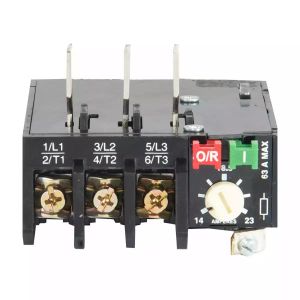
The overload relay should be wired in series with the motor connection to protect against excessive current.
Step 5: Connect the Push Buttons
The start and stop buttons should be wired to control the activation and deactivation of the DOL starter contactor.
Step 6: Test the System
Once the wiring is complete, test the system by pressing the start button to ensure the motor runs smoothly. Press the stop button to confirm the motor stops immediately.
Troubleshooting Common Issues in DOL Starter Single Phase
Despite its reliability, the DOL starter single phase may sometimes face operational issues. Here are common problems and their possible solutions:
Motor Fails to Start
Check if the power supply is available.
Inspect the DOL starter contactor for any loose connections.
Ensure the start button is functioning properly.
Overload Relay Trips Frequently
Verify that the motor is not overloaded.
Check for any short circuits in the wiring.
Inspect the overload relay settings and adjust them if necessary.
The Motor Runs but Stops Unexpectedly
Check if the DOL starter contactor is overheating.
Inspect the electrical connections for any faults.
Ensure that no voltage fluctuations are affecting the starter.
Conclusion
The DOL starter single phase is a fundamental motor control device used in various applications requiring simple and efficient operation. With its easy installation, reliable performance, and built-in overload protection, it is an essential component for controlling single-phase motors.
The DOL starter contactor plays a vital role in ensuring smooth and controlled switching of electrical circuits, preventing potential hazards. Whether used in domestic, industrial, or agricultural applications, the DOL starter single phase provides a cost-effective and efficient solution for motor starting.
For high-quality electrical solutions, including DOL starter single phase and DOL starter contactors, consider Lauritz Knudsen Electrical & Automation. Their expertise in providing reliable electrical products ensures the safety and efficiency of your electrical systems.