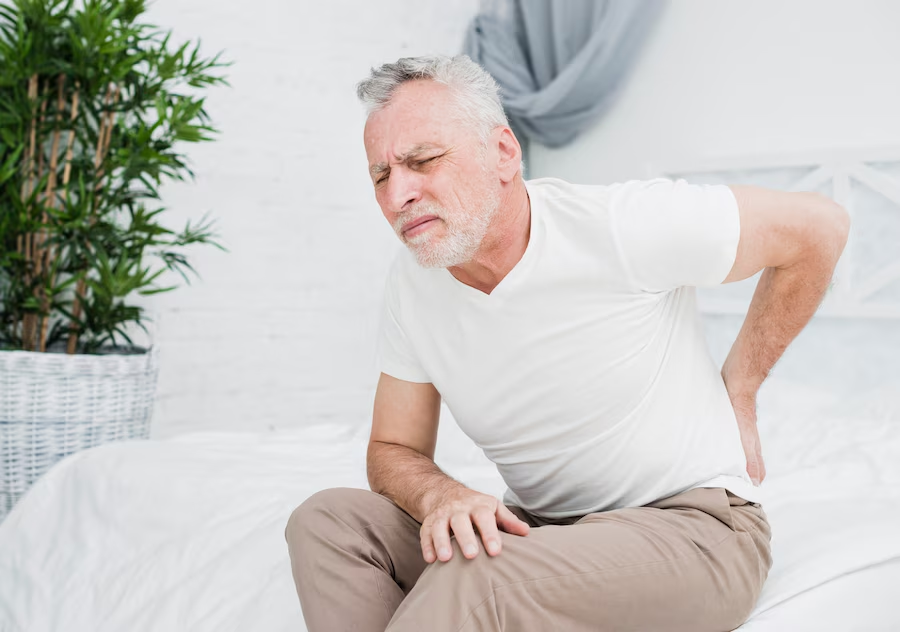
Lower back pain is one of the most common and debilitating conditions affecting individuals of all ages. Whether it’s caused by poor posture, muscle strain, or a more serious spinal issue, finding effective lower back pain treatment near me is crucial for reducing discomfort and improving mobility. As you search for the best solution, it’s important to understand the various treatment options available and how to choose the one that best suits your needs. In this blog, we will guide you through the process of finding the right lower back pain treatment near me, explore various treatment methods, and discuss tips for managing and alleviating pain.
The Prevalence of Lower Back Pain
Lower back pain is a common issue that affects millions of people worldwide. In fact, it is one of the leading causes of disability, with more than 80% of adults experiencing some form of back pain during their lifetime. It can vary in severity from a mild ache to sharp, stabbing pain that makes it difficult to perform everyday tasks.
Causes of Lower Back Pain
Understanding the root cause of your lower back pain is essential for finding the right treatment. Here are some of the most common causes of lower back pain:
1. Muscle or Ligament Strain
Overexertion, heavy lifting, or sudden movements can strain the muscles and ligaments in your lower back. This is one of the most common causes of acute back pain and typically resolves with rest and proper care.
2. Herniated or Bulging Disc
A herniated disc occurs when one of the rubbery discs between the vertebrae slips out of place or ruptures. This can place pressure on nearby nerves, leading to pain that radiates down your legs, often referred to as sciatica.
3. Osteoarthritis
Osteoarthritis is a degenerative joint disease that can cause the cartilage in the spine to wear down over time. This results in pain, stiffness, and reduced mobility.
4. Spinal Stenosis
Spinal stenosis refers to the narrowing of the spinal canal, which can put pressure on the spinal cord and nerves, causing pain, numbness, or weakness in the back and legs.
5. Poor Posture or Sedentary Lifestyle
Poor posture, prolonged sitting, and lack of exercise can contribute to lower back pain. Weak core muscles or sitting improperly can put unnecessary stress on the spine, leading to discomfort.
Why Searching for Lower Back Pain Treatment Near You Matters
When you’re dealing with persistent lower back pain, proximity plays an important role in getting the right treatment. Searching for lower back pain treatment near me offers several advantages:
1. Quick Access to Care
If you’re dealing with acute pain, you’ll want immediate access to healthcare providers. Finding a specialist or clinic nearby means you won’t have to wait long to start your treatment, helping you manage pain more effectively.
2. Convenience
A local provider means you can receive ongoing treatment, including physical therapy, chiropractic care, or follow-up visits, without the hassle of long-distance travel. This convenience ensures consistent care that can lead to faster recovery.
3. Personalized Care
Providers near you are often more invested in building long-term relationships with their patients. By choosing a healthcare professional in your area, you can receive personalized treatment plans tailored to your specific needs and conditions.
4. Better Communication
When working with a local specialist, you have easier access to communication for questions, appointment scheduling, and additional concerns. This continuous dialogue is vital for ensuring you are on the right track with your treatment.
Treatment Options for Lower Back Pain
When searching for lower back pain treatment near me, several treatment options are available. The right treatment depends on the cause of your pain and its severity. Here are some of the most common approaches to treating lower back pain:
1. Physical Therapy (PT)
Physical therapy (PT) is often recommended for people with chronic lower back pain. A physical therapist will develop a tailored program of exercises designed to strengthen the muscles around your spine and improve your flexibility. Physical therapy can reduce pain, prevent future injuries, and enhance mobility.
Common PT treatments for lower back pain include:
- Stretching exercises to increase flexibility and reduce muscle tension.
- Strengthening exercises to target the muscles supporting the spine.
- Manual therapy techniques to help reduce stiffness and improve spinal mobility.
2. Chiropractic Care
Chiropractors specialize in spinal manipulation to treat musculoskeletal problems. For lower back pain, chiropractors use techniques such as spinal adjustments to align the vertebrae and relieve pressure on the spinal cord and nerves. This treatment can be especially helpful if your pain is caused by misalignment or nerve compression.
Chiropractic care can help with:
- Herniated or bulging discs.
- Muscle strains and ligament injuries.
- Sciatica and nerve pain.
Chiropractors may also provide additional advice on posture, ergonomics, and exercises to prevent future back pain.
3. Pain Medications
For short-term relief from lower back pain, pain medications are commonly used. Over-the-counter medications such as ibuprofen, acetaminophen, and aspirin can help reduce inflammation and provide pain relief. If your pain is more severe, your doctor may prescribe stronger pain medications or muscle relaxants to help you manage symptoms.
However, medication should be used with caution and only as directed by your healthcare provider. Long-term use of pain medications, especially opioids, can lead to dependency or other side effects.
4. Epidural Steroid Injections
For individuals with severe lower back pain due to conditions like herniated discs or spinal stenosis, epidural steroid injections may provide significant relief. These injections deliver steroids directly into the epidural space around the spinal cord to reduce inflammation and alleviate pain.
Epidural steroid injections are often considered when other treatments, such as physical therapy or pain medications, have not been effective.
5. Surgery
In cases where conservative treatments do not provide relief, surgery may be recommended. Spinal surgery is usually reserved for severe cases where there is nerve compression, significant structural issues, or mobility problems.
Types of back surgeries include:
- Discectomy: Removal of part of a herniated disc to relieve nerve pressure.
- Spinal fusion: Fusing two or more vertebrae together to eliminate motion and stabilize the spine.
- Laminectomy: Removal of part of the vertebrae to alleviate pressure on the spinal cord or nerves.
Surgery is typically considered a last resort and is only recommended after all other options have been explored.
6. Alternative Therapies
If you’re looking for non-traditional treatment options, alternative therapies such as acupuncture, massage therapy, and yoga can provide relief from lower back pain. These treatments aim to reduce muscle tension, improve flexibility, and promote healing.
- Acupuncture: Involves inserting thin needles into specific points on the body to release tension and reduce pain.
- Massage therapy: Targets the muscles of the lower back to relieve tightness and improve blood flow.
- Yoga: Focuses on gentle stretching, breathing exercises, and strengthening poses to improve flexibility and reduce pain.
How to Choose the Right Lower Back Pain Treatment Near You
When you’re searching for lower back pain treatment near me, it’s important to choose a healthcare provider or clinic that suits your specific needs. Here are some tips to help you make the right choice:
1. Research Providers and Clinics
Start by researching local healthcare providers and clinics that specialize in back pain. Check online reviews, ratings, and patient testimonials to get a sense of their reputation and the quality of care they provide.
2. Consult Your Primary Care Physician
Your primary care physician (PCP) can help guide you to the right specialist or treatment based on your symptoms and medical history. They may refer you to a physical therapist, chiropractor, or pain management specialist.
3. Insurance and Affordability
Ensure that the provider or clinic you choose is covered by your health insurance. This can help you avoid high out-of-pocket costs and make the treatment process more affordable.
4. Ask About Treatment Approaches
Make sure the provider offers a range of treatment options. Ideally, they should provide conservative treatments such as physical therapy and chiropractic care, with more invasive options like injections or surgery as a last resort.
Conclusion
Dealing with lower back pain can be frustrating and debilitating, but finding the right treatment nearby is essential for effective relief. From physical therapy and chiropractic care to pain medications and surgery, there are many options available. Searching for lower back pain treatment near me ensures you can access the care you need quickly and conveniently, helping you get back to living a pain-free life.
Take the first step toward recovery by researching local providers and scheduling a consultation. With the right treatment plan, you can manage your lower back pain and enjoy a better quality of life.
FAQs
Q1: How long does it take to recover from lower back pain?
Recovery time varies depending on the cause of your pain. For mild muscle strains, you may recover within a few days or weeks. For more severe conditions like herniated discs, recovery may take several months, especially if surgery or extensive treatment is required.
Q2: Can chiropractic care help with lower back pain?
Yes, chiropractic care is highly effective for treating musculoskeletal issues, including lower back pain. Spinal adjustments can help realign the spine and alleviate pressure on nerves, reducing pain and improving mobility.